


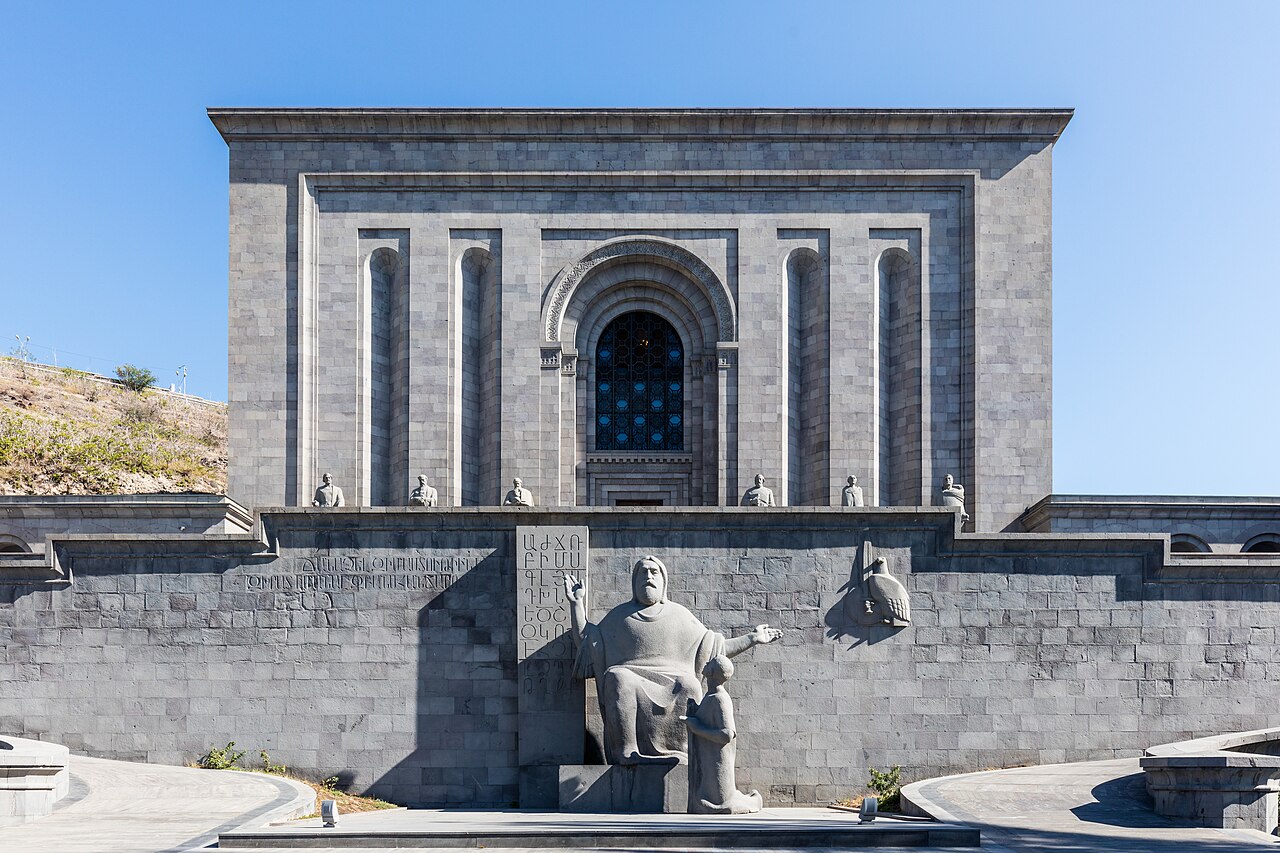
4 dk yürüyüş
Matenadaran
- Mutlaka görülmeli · Miras alanı
- Müze
Dil · 11 yayınlandı
Müze · Erivan
Գրատպության թանգարան

| Pazartesi | Kapalı |
|---|---|
| Salı | 10:00 – 16:00 |
| Çarşamba | 10:00 – 16:00 |
| Perşembe | 10:00 – 16:00 |
| Cuma | 10:00 – 16:00 |
| Cumartesi | 10:00 – 16:00 |
| Pazar | 10:00 – 16:00 |
OpenStreetMap açılış saatlerinden 2026-08-26 tarihinde ayrıştırıldı.
The Museum of Printing in Yerevan preserves Armenia's typographic heritage, tracing the evolution of printing technology and book production in the region. Established to commemorate the cultural significance of the printed word, the museum occupies a dedicated space within Armenia's capital. Its collection reflects centuries of printing craftsmanship, from early manual presses to more modern equipment. The institution serves as both a historical archive and an educational resource, highlighting how printing shaped Armenian literacy, education, and national identity. Visitors encounter tangible evidence of technological progression that transformed knowledge dissemination throughout the Caucasus and broader Armenian diaspora communities.
2026-08-26 kontrol edildi
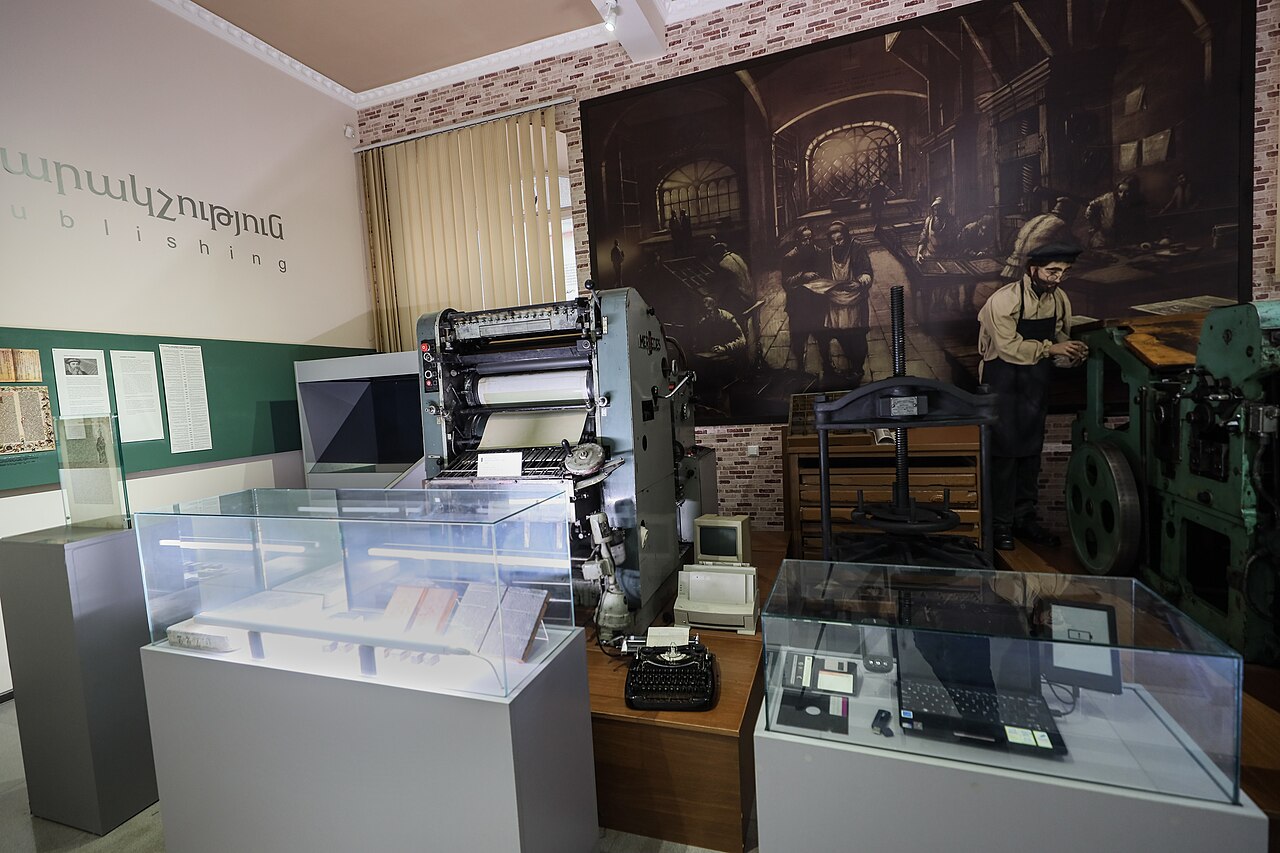
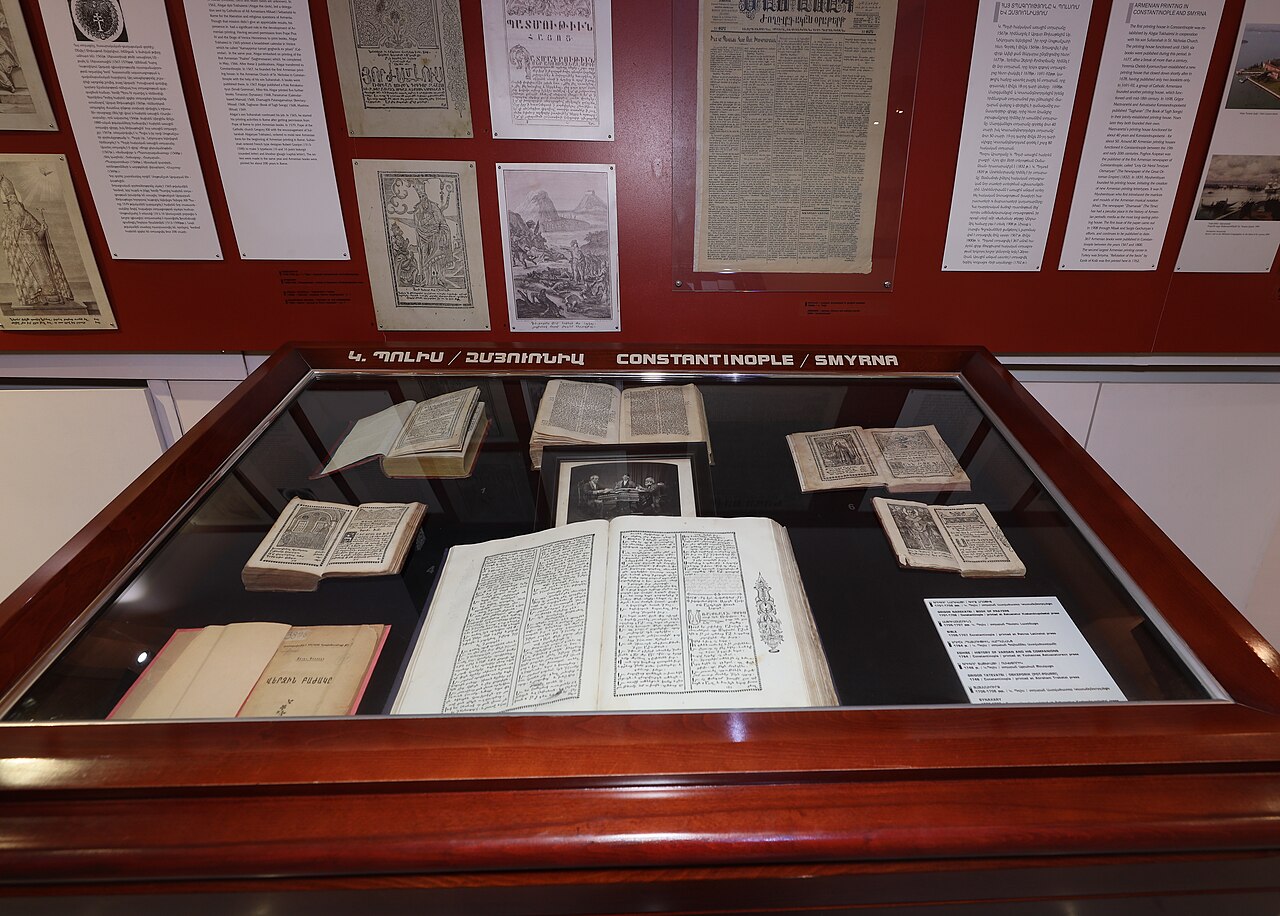
The museum's holdings include vintage printing presses, typefaces, and compositor's tools that demonstrate the mechanical processes behind book and newspaper production. Exhibits likely feature Armenian-language materials, given the script's distinctive alphabet and historical printing challenges. Visitors may observe wooden and metal type collections, ink rollers, paper cutters, and binding equipment. Printed specimens such as books, posters, and periodicals illustrate output quality across different eras. The displays probably include biographical information about notable Armenian printers and publishers. Educational panels presumably explain technical processes including typesetting, plate making, and press operation. The collection emphasizes material culture rarely preserved in conventional art or history museums.
2026-08-26 kontrol edildi
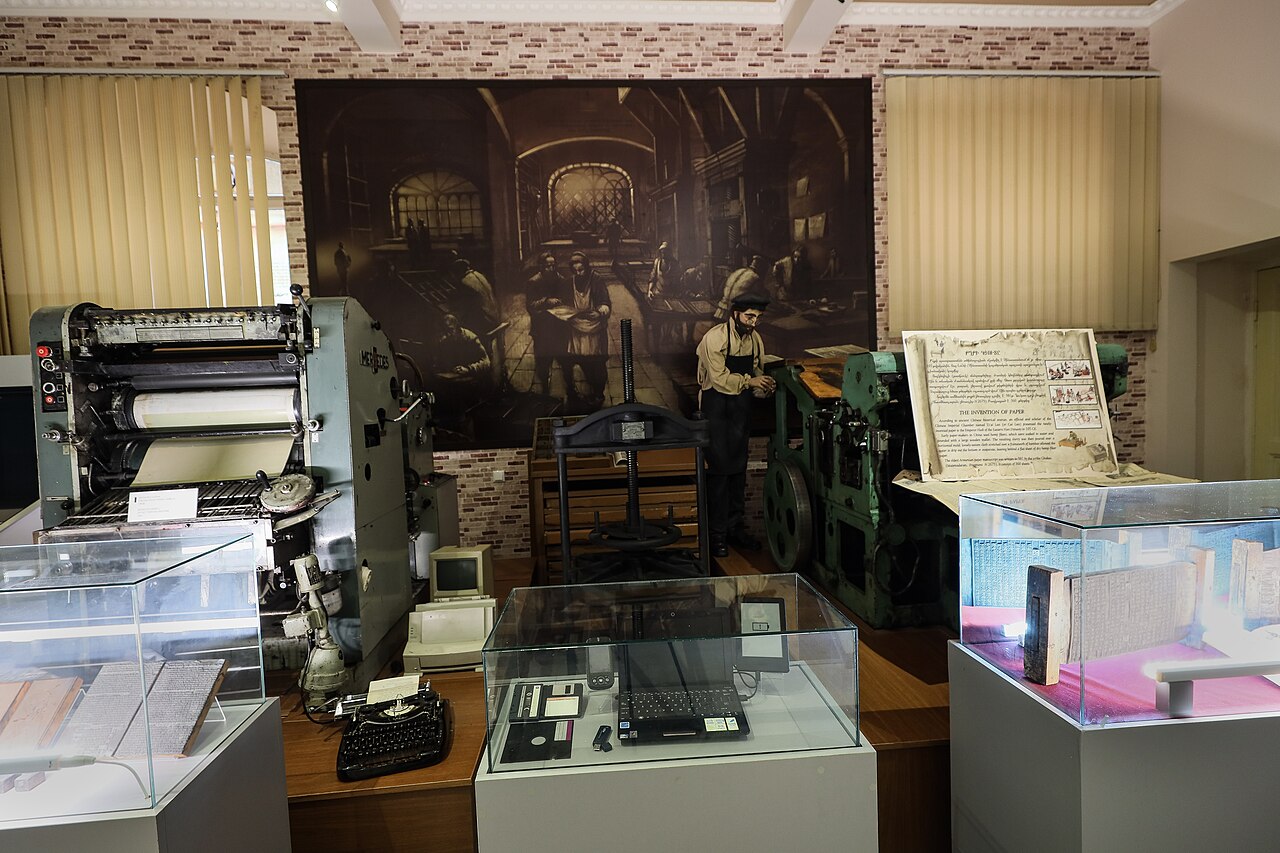
Visitors typically allocate between forty-five minutes and ninety minutes for a complete museum experience, depending on individual reading pace and interest depth. Casual observers may circulate through primary exhibits within thirty minutes, while enthusiasts examining technical details, historical documents, and equipment specifications require additional time. The museum's compact scale relative to major international institutions suggests efficient navigation without overwhelming physical demands. Photography pauses, label reading, and potential staff interactions extend duration. Groups with specific research interests or educational objectives should plan accordingly. Self-guided pacing predominates, allowing flexible scheduling within broader Yerevan itineraries. Combined visits with nearby cultural attractions optimize daily programming.
2026-08-26 kontrol edildi
Operator-confirmed hours are Not recorded pending review. Visitors should verify current opening schedules through direct institutional contact or official tourism channels before planning visits. Seasonal considerations for Yerevan include comfortable spring and autumn temperatures, with summer heat potentially affecting non-climate-controlled spaces. Winter visits require appropriate cold-weather preparation. Morning arrivals often provide quieter conditions conducive to detailed examination. The museum likely experiences increased visitation during cultural festivals, international book events, or national holidays celebrating Armenian literary heritage. Advance confirmation prevents disappointment from unannounced closures for maintenance, private functions, or staffing limitations. Local accommodation providers may assist with current operational intelligence.
2026-08-26 kontrol edildi
Operator-confirmed prices are Not recorded pending review. Admission structures for specialized museums in Yerevan typically distinguish between standard adult entry, reduced rates for students and seniors, and potential free access for children below specified ages. Group discounts may apply with advance reservation. Some Armenian cultural institutions operate with state subsidy enabling minimal or voluntary contribution entry, while others maintain fixed fees supporting preservation activities. Photography permissions, guided tour supplements, or special exhibition access may incur additional charges. Visitors should carry multiple payment options as smaller museums may not process international cards. Current pricing requires direct verification with museum administration or authorized tourism representatives.
2026-08-26 kontrol edildi
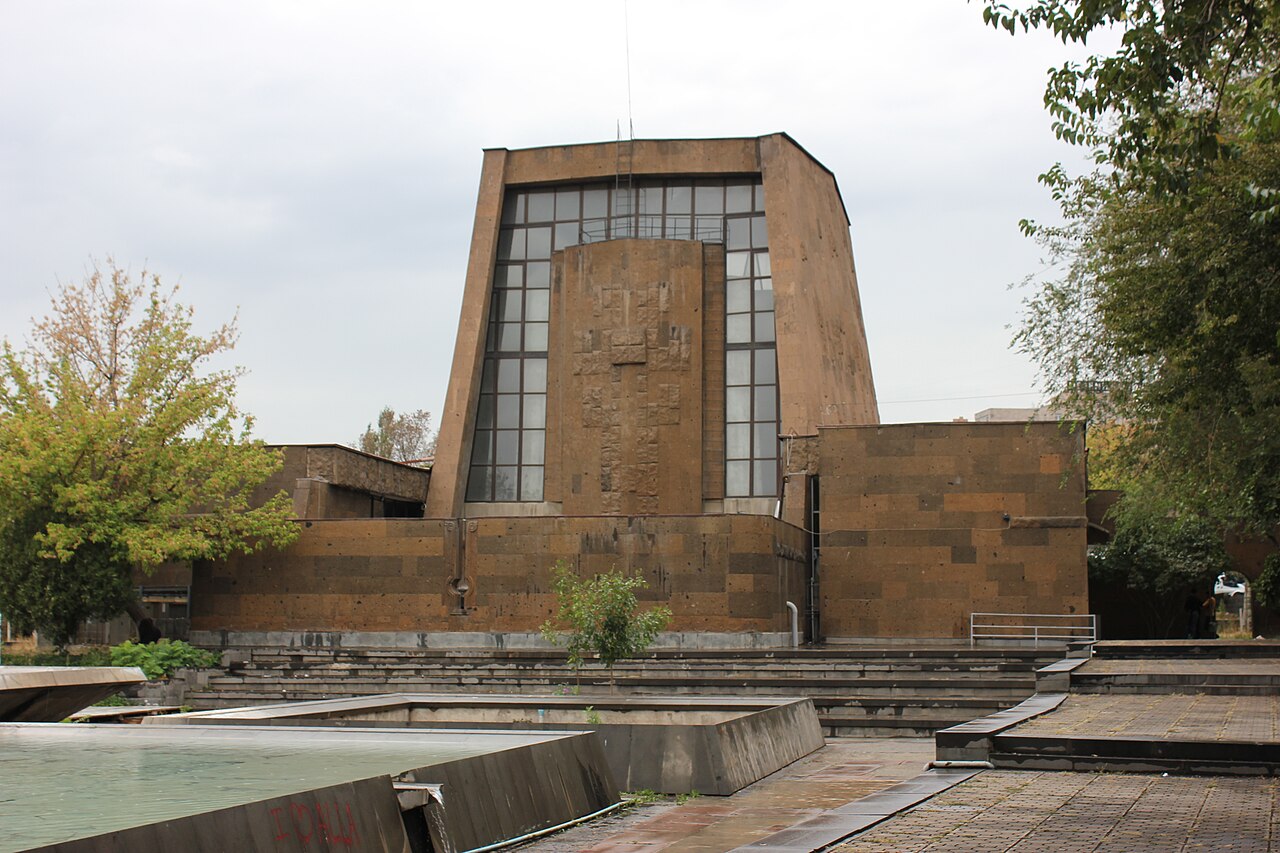
The Museum of Printing occupies a location within Yerevan's urban fabric accessible through the city's public transportation network. Yerevan Metro stations provide backbone connectivity, with supplementary marshrutka minibuses and trolleybus routes serving dispersed destinations. Walking from central accommodations remains feasible given Yerevan's relatively compact central district. Street signage in Armenian script necessitates preparation for navigation. Taxi services including mobile application dispatch operate throughout the capital. Visitors should obtain precise address details in both Armenian and Latin scripts for driver communication. Bicycle rental schemes and pedestrian infrastructure support active transportation. Airport connections via Zvartnots International require ground transfer planning.
2026-08-26 kontrol edildi
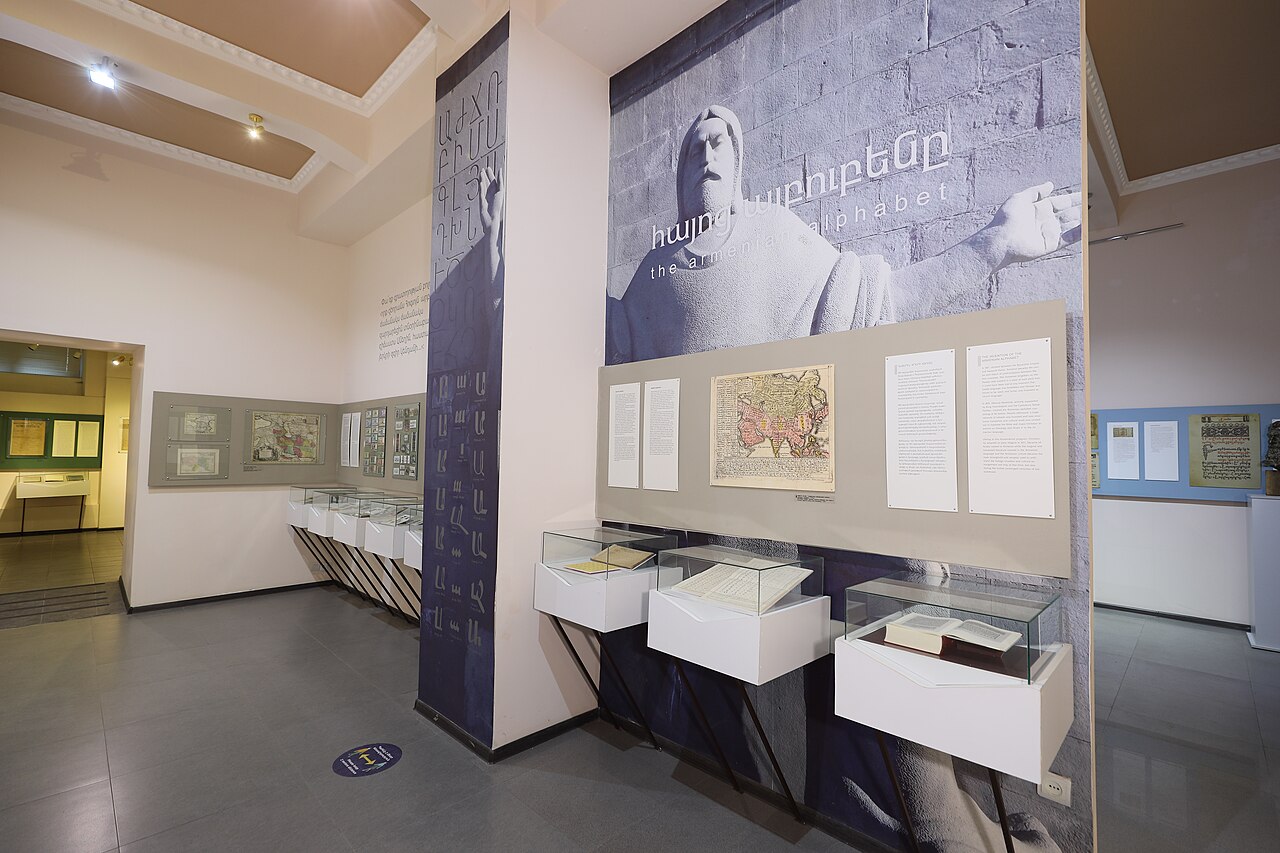
Museum environments housing vintage machinery present inherent considerations including uneven flooring, narrow passages between equipment displays, and absence of modern accessibility accommodations. Original printing presses may have exposed mechanical components unsuitable for visitor interaction. Lighting conditions in specialized exhibition spaces potentially limit visibility of fine details. Language barriers arise as interpretive materials may prioritize Armenian with variable English supplementation. Climate control irregularities affect comfort and artifact preservation conditions. Security protocols may restrict bag dimensions or mandate locker usage. Emergency exit routes in adapted historic buildings warrant conscious observation. Visitors with mobility limitations should inquire about access provisions before arrival.
2026-08-26 kontrol edildi
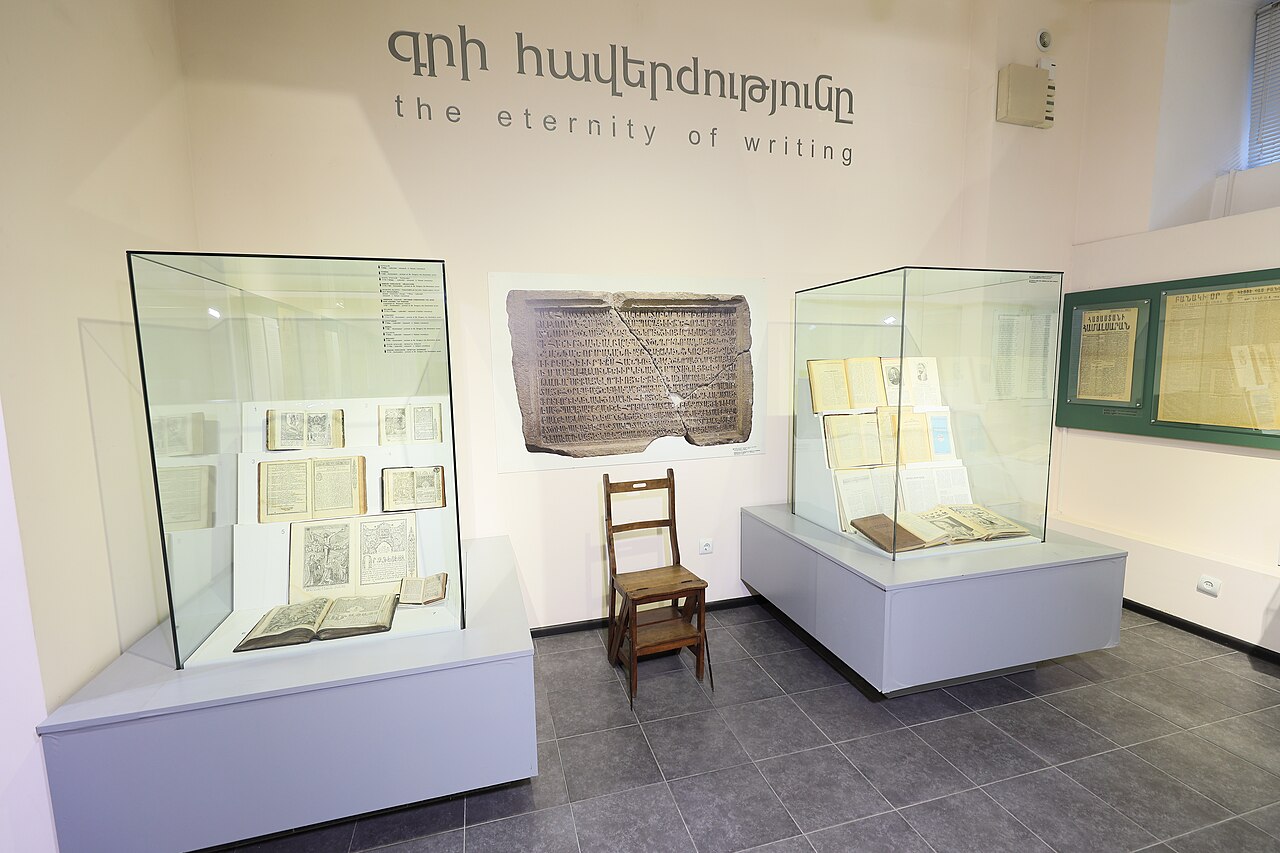
Photography policies in Armenian museums vary considerably between institutions, with specialized technical museums sometimes restricting documentation of proprietary or fragile exhibits. Flash photography potentially damages sensitive materials including aged paper and organic-based inks. Tripod usage typically requires advance permission due to spatial constraints and visitor flow considerations. Commercial or publication-oriented photography necessitates formal authorization. Visitors should observe posted signage and staff guidance regarding permissible documentation. Respect for fellow visitors' viewing experience governs appropriate camera positioning and duration. Video recording may face separate restrictions. When permitted, photography provides valuable personal reference and sharing opportunity, though primary engagement with exhibits deserves prioritization over image capture.
2026-08-26 kontrol edildi
Armenian predominates; English coverage varies. Visitors may benefit from translation applications or guided services.
Accessibility provisions are Not recorded pending review. Direct inquiry recommended before visiting.
Guided tour availability is Not recorded pending review. Contact the museum directly for current programming.
On-site commercial facilities are Not recorded pending review.
Interactive policies are Not recorded pending review; assume observation-only unless staff explicitly permits handling.
The collection documents printing technology central to Armenian literacy development, though specific institutional relationships to publishing history are Not recorded pending review.
Etkileşimli harita yükleniyor…
Etkileşimli harita yüklenemedi.

Son güncelleme:
Kaynak: OpenStreetMap katkıda bulunanları, Wikidata ·