


5 dk yürüyüş
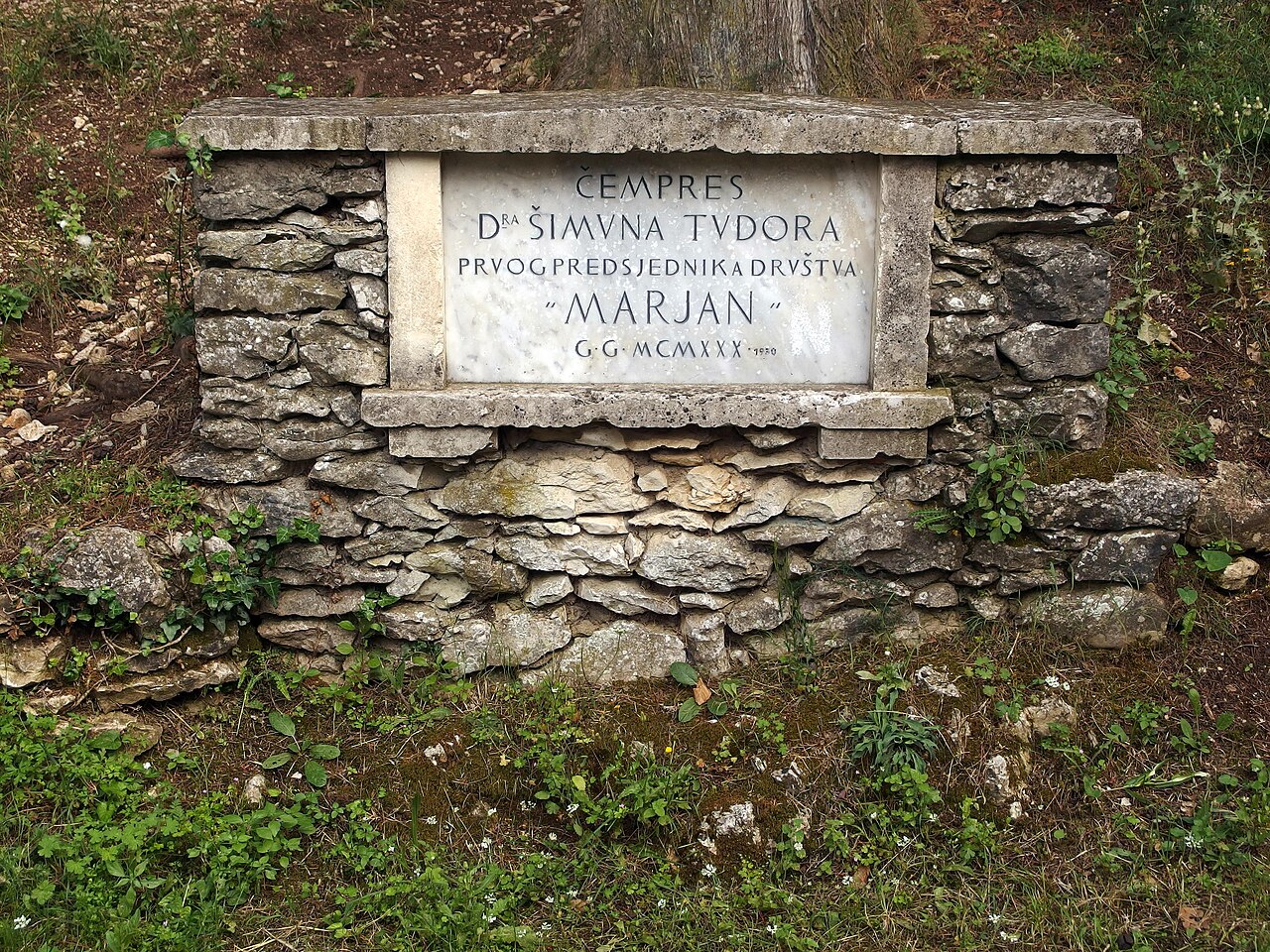
Park-šuma Marjan
- Mutlaka görülmeli
- Doğal alan
Dil · 11 yayınlandı
Aktivite · Split

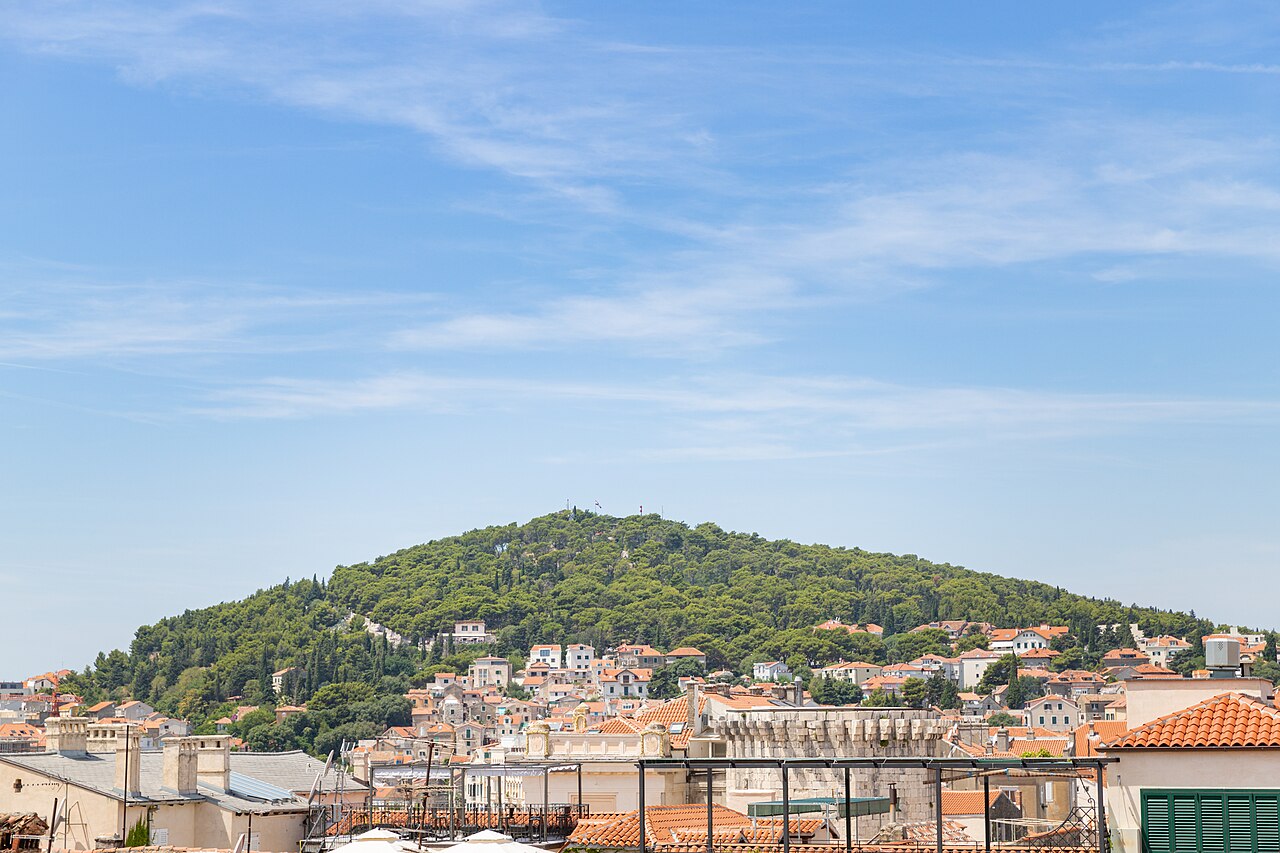
Varoš Quarter, locally known as Varoš, is one of the oldest residential neighbourhoods in Split, Croatia. Situated at the foot of Marjan Hill and directly west of Diocletian's Palace, this historic district preserves the character of a traditional Dalmatian fishing settlement. Its narrow stone streets, compact stone houses, and atmospheric alleyways predate much of the modern city expansion. The quarter has retained its distinctive architectural identity despite centuries of urban development around it. Visitors encounter an authentic residential area rather than a purpose-built tourist zone, with everyday life continuing among the heritage structures.
2026-08-26 kontrol edildi
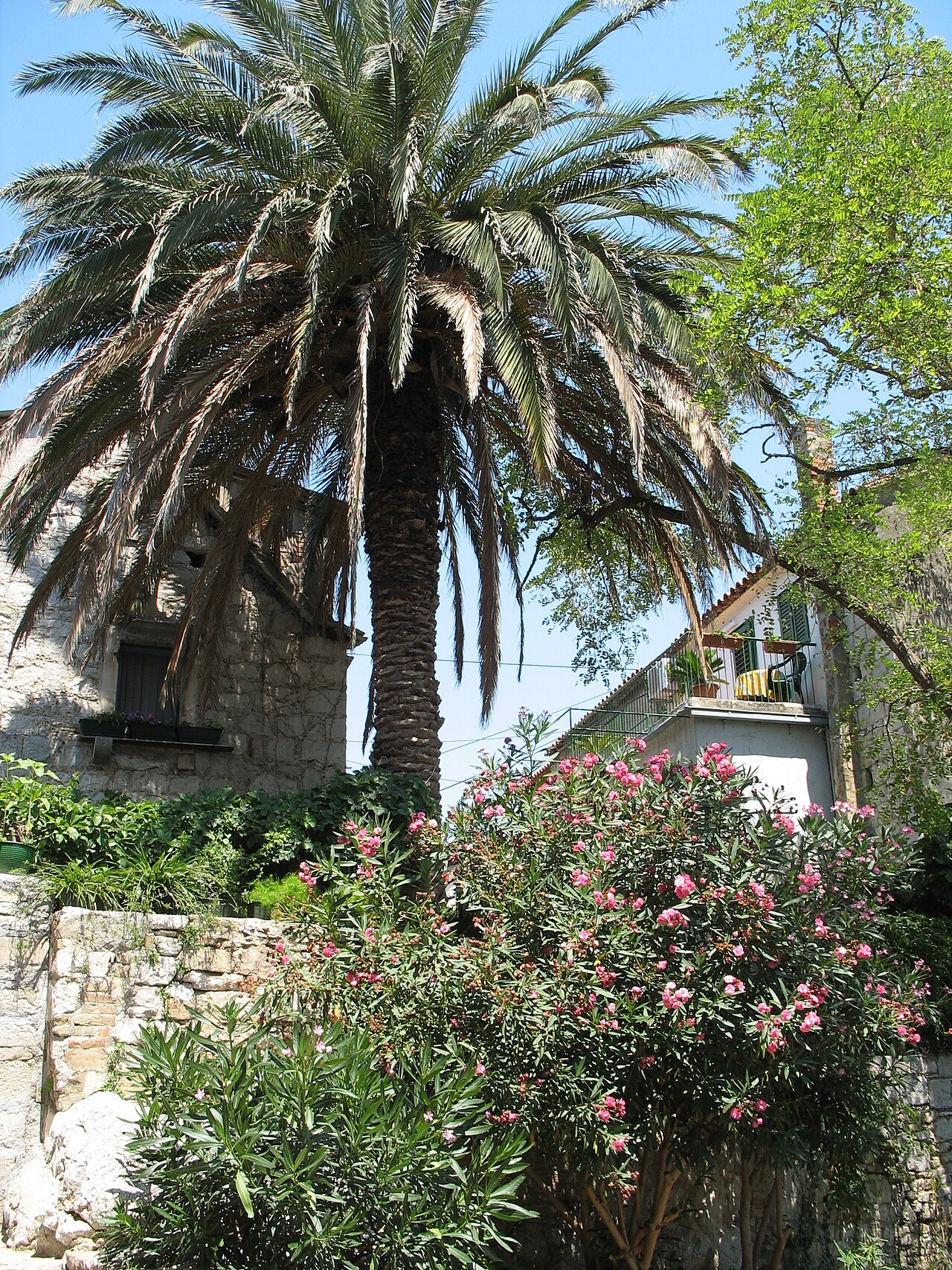
The quarter contains tightly packed stone dwellings with characteristic Dalmatian architectural elements, including small shuttered windows and wooden balconies. Several historic churches are present, notably the Church of St. Nicholas and the Church of St. Michael, which serve as landmarks within the maze-like street plan. Small local taverns and family-run establishments occupy ground-floor spaces. The area features stepped passageways and vaulted passages that connect different levels of the hillside settlement. Vegetation grows between stone walls in places. The neighbourhood transitions gradually into the Marjan Hill forest park at its upper edge, providing access to walking trails.
2026-08-26 kontrol edildi

A purposeful walk through Varoš Quarter requires approximately thirty to sixty minutes, depending on pace and interest in architectural detail. Visitors often combine this exploration with ascent to Marjan Hill viewpoints, which extends the visit substantially. The compact nature of the neighbourhood means that core passage through its main lanes can be accomplished relatively quickly. However, the irregular street pattern invites slower movement and repeated consultation of orientation. Photography and observation of daily residential life naturally extend duration. Many visitors integrate Varoš into broader itineraries encompassing Diocletian's Palace and the Riva waterfront promenade.
2026-08-26 kontrol edildi
Varoš Quarter functions as a residential neighbourhood without formal visiting hours or controlled access. The public streets and passages are traversable at all times. Seasonal considerations affect visitor experience: summer months bring higher pedestrian traffic and warmer temperatures in the narrow stone corridors, while winter offers quieter conditions. Morning hours may reveal more local activity as residents commence daily routines. Evening illumination creates atmospheric conditions in the alleyways. Operator-confirmed hours or prices are Not recorded pending review. No ticketing infrastructure exists for neighbourhood entry. Visitors should recognise that this remains an inhabited area with corresponding respect for resident privacy and noise levels.
2026-08-26 kontrol edildi
No admission fee applies to Varoš Quarter. The neighbourhood consists of public thoroughfares and residential property without visitor charging mechanisms. Individual churches or establishments within the quarter may operate separate arrangements, though these are not systematically documented here. Operator-confirmed hours or prices are Not recorded pending review. Visitors should not expect formal visitor services, guided tour infrastructure, or interpretive materials as standard offerings. Any commercial transactions would occur directly with individual businesses. The absence of regulated entry means that visitor management depends on self-directed conduct and awareness of the residential character of the environment.
2026-08-26 kontrol edildi

Varoš Quarter is immediately accessible on foot from Diocletian's Palace western gates, with the boundary between these historic zones being indistinct. From the Riva waterfront, stepped passages and sloping streets lead upward into the quarter. The neighbourhood's position between the palace complex and Marjan Hill makes it a natural transit point for walkers heading to viewpoints or forest trails. No dedicated parking exists within the narrow lanes; vehicle access is restricted by physical constraints. Public transport serves adjacent areas of central Split, with walking remaining the practical approach. The quarter's small scale rewards pedestrian exploration.
2026-08-26 kontrol edildi
The stepped and uneven stone surfaces throughout Varoš Quarter present trip hazards, particularly in dimly lit passages and after rainfall when surfaces become slippery. Narrow lanes may require single-file movement and attention to ascending or descending pedestrians. The residential nature of the area demands noise restraint and avoidance of intrusive photography of private property and inhabitants. Some passages dead-end or change level unexpectedly. Wayfinding challenges arise from the irregular medieval street pattern without systematic signage. Visitors should remain alert to motor scooters that occasionally use accessible lanes. Respect for ongoing domestic life remains essential throughout.
2026-08-26 kontrol edildi
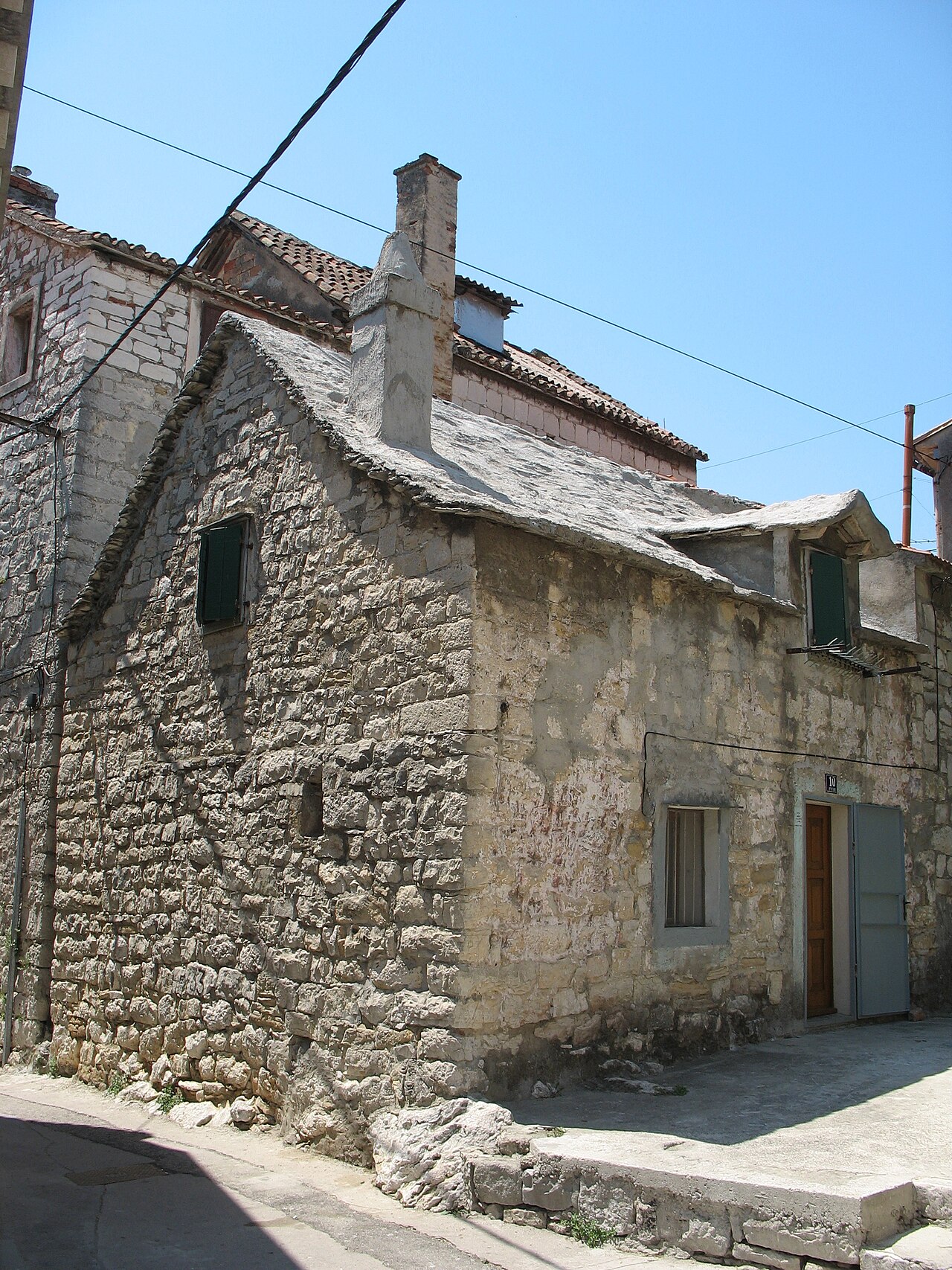
The quarter offers distinctive photographic subjects including weathered stone textures, architectural details, stepped alley compositions, and contextual views toward the palace or harbour. Morning and evening light produces strong shadows in the narrow passages. The contrast between built fabric and spontaneous vegetation creates visual interest. Photographers should exercise particular sensitivity regarding residential doorways, windows, and any visible inhabitants. Tripod use in confined passages may obstruct pedestrian movement. Elevated positions near the Marjan transition yield broader contextual shots. The absence of commercial signage in many areas preserves historical visual character. Overcast conditions reduce harsh contrast in the enclosed spaces.
2026-08-26 kontrol edildi
Varoš Quarter is distinct from Diocletian's Palace though immediately adjacent to its western perimeter. It developed as a separate settlement with its own architectural character as a fishing community.
Small local taverns and family-run establishments occupy certain ground-floor spaces, though these operate as independent businesses without systematic documentation in this source.
Vehicle access is severely restricted by the narrow physical dimensions of lanes and stepped passages. The area is fundamentally designed for pedestrian movement.
The quarter contains public thoroughfares traversable after dark, though uneven surfaces and limited lighting in passages require caution. Visitors should exercise standard awareness appropriate to any historic urban area.
Varoš Quarter preserves a more organic, unplanned settlement pattern with smaller-scale residential structures, contrasting with the palace's Roman imperial grid and monumental architecture.
No formal guided tour infrastructure is documented for the quarter specifically. Visitors typically explore independently or as part of broader Split walking itineraries.
Etkileşimli harita yükleniyor…
Etkileşimli harita yüklenemedi.
Son güncelleme:
Kaynak: OpenStreetMap katkıda bulunanları, Wikidata ·