


34 dk yürüyüş
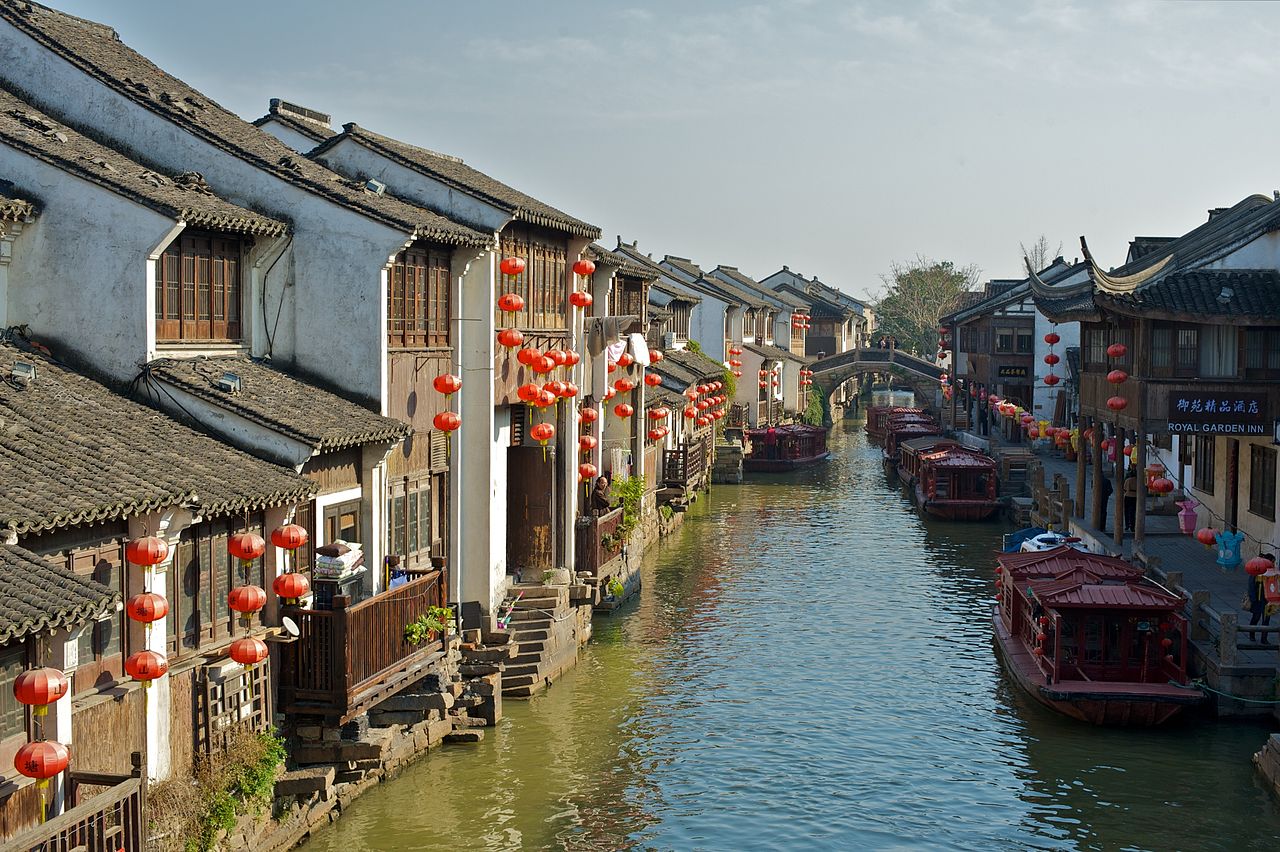
山塘街
- Yüksek
- Tarihi anıt
Dil · 11 yayınlandı
Doğal alan · Şanghay
拙政园

| Pazartesi | 07:30 – 17:30 |
|---|---|
| Salı | 07:30 – 17:30 |
| Çarşamba | 07:30 – 17:30 |
| Perşembe | 07:30 – 17:30 |
| Cuma | 07:30 – 17:30 |
| Cumartesi | 07:30 – 17:30 |
| Pazar | 07:30 – 17:30 |
OpenStreetMap açılış saatlerinden 2026-08-26 tarihinde ayrıştırıldı.
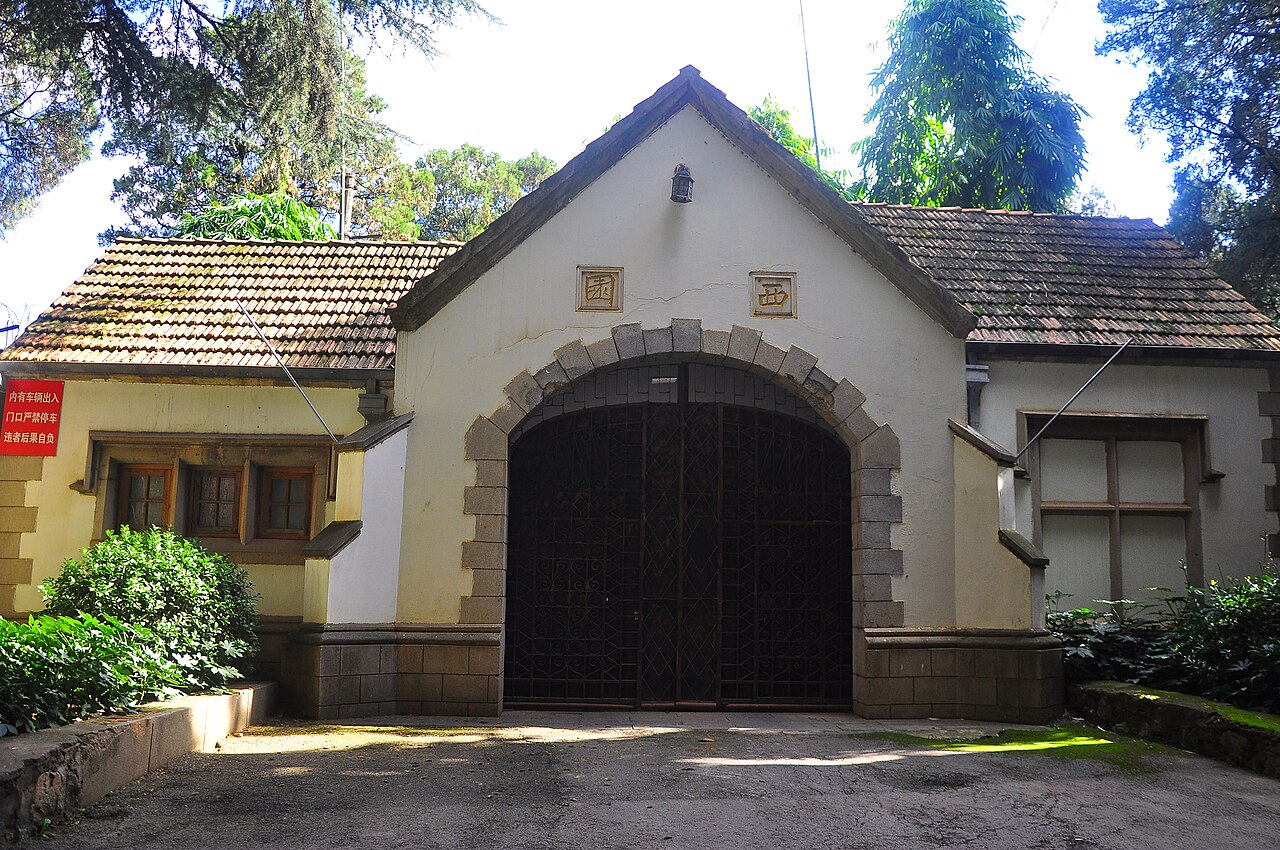
The Humble Administrator's Garden, known locally as 拙政园, is a classical Chinese garden in Shanghai. It is a UNESCO World Heritage Site as part of the Classical Gardens of Suzhou designation, though it is located within Shanghai's administrative boundaries. The garden represents one of the finest examples of Ming dynasty garden design. It was originally constructed during the early 16th century. The garden's name derives from a phrase suggesting humble governance. It covers a substantial area with water features as its central element. The site has undergone numerous restorations across centuries. It remains one of the most visited traditional gardens in eastern China.
2026-08-28 kontrol edildi
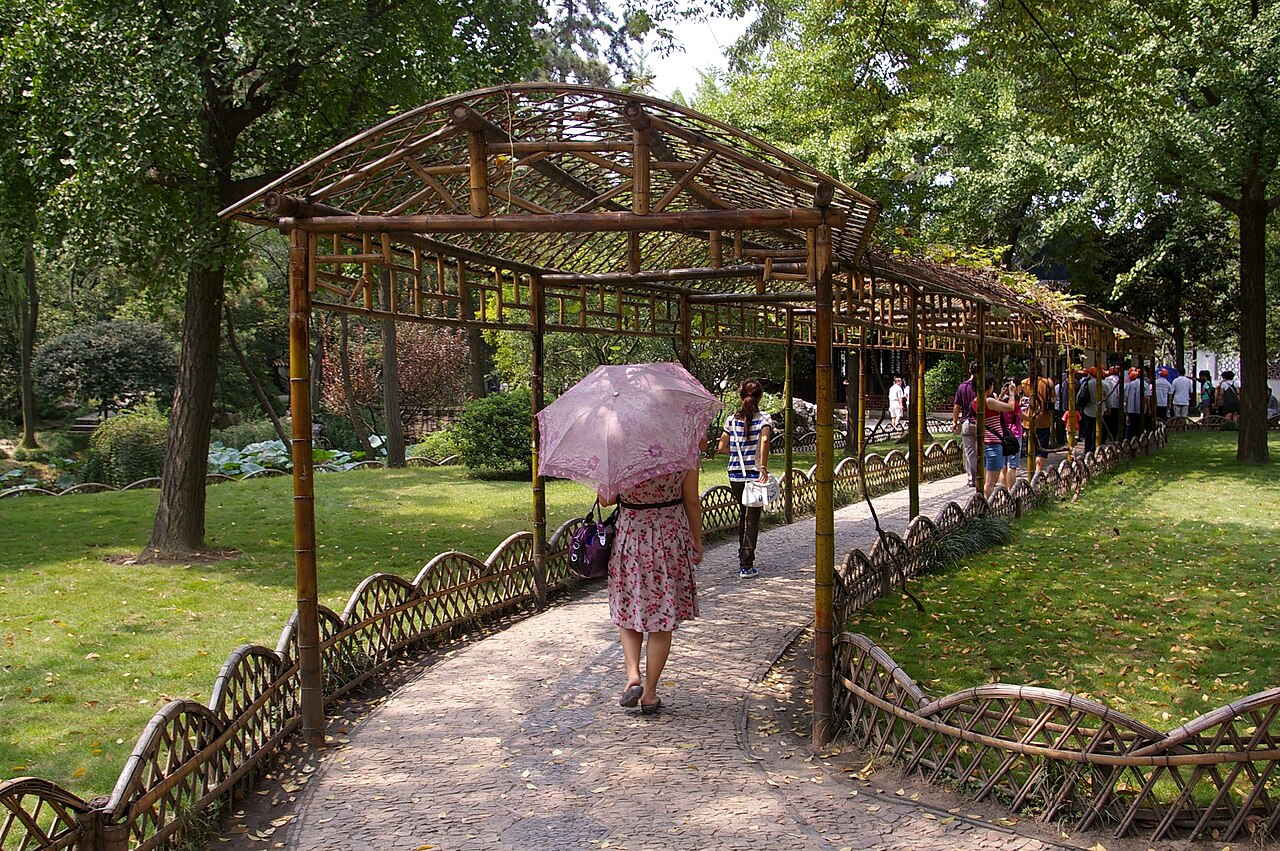
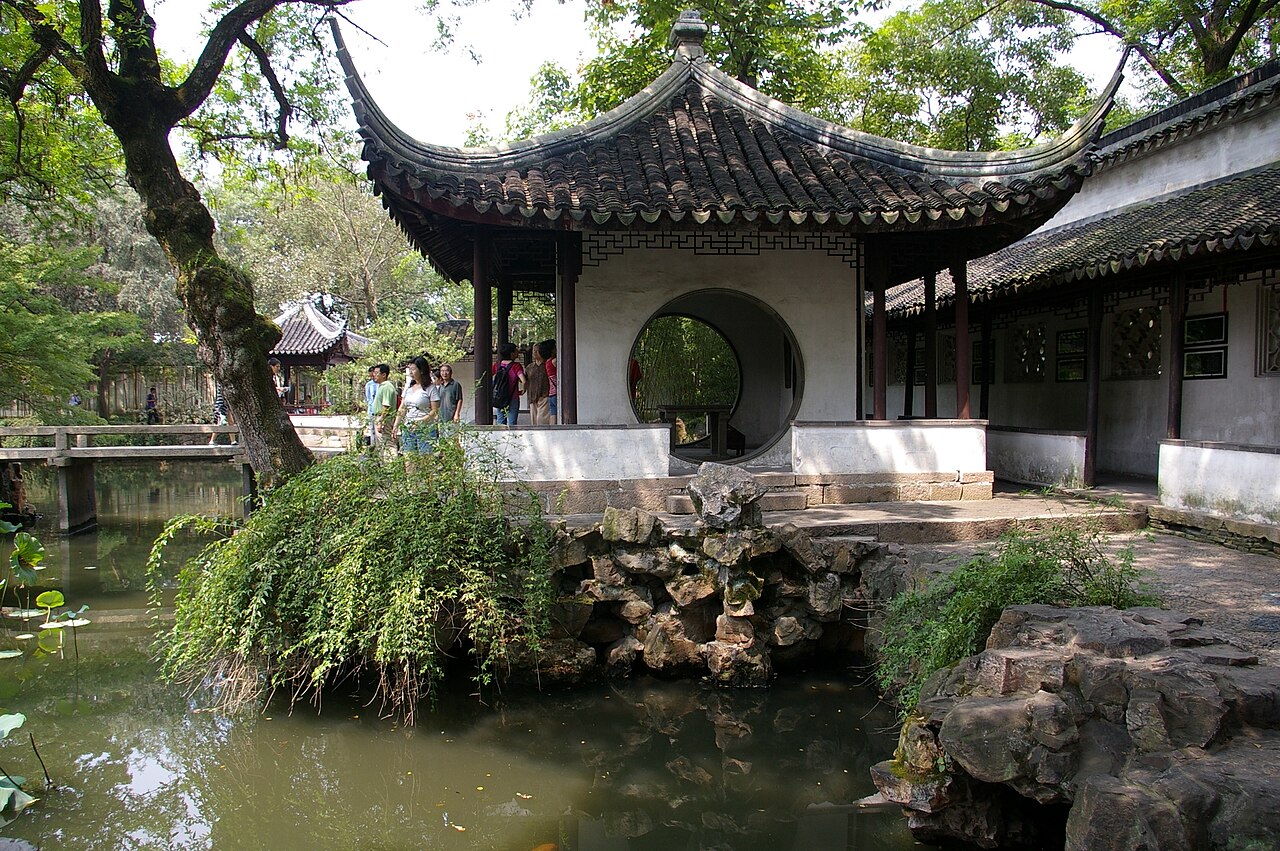
The garden is organized around a large central lake with pavilions, halls, and corridors arranged along its shores. Key structures include the Distant Fragrance Hall, the Mandarin Duck Hall, and various covered walkways connecting distinct garden zones. The layout follows classical Chinese garden principles of borrowed scenery and concealed views. Rockeries, bridges, and plantings create composed landscapes. Architectural elements feature traditional timber construction with decorative details. Water occupies approximately one-third of the total area. The garden divides into eastern, central, and western sections with different characteristics. Numerous inscriptions and plaques contribute to the scholarly atmosphere typical of literati gardens.
2026-08-28 kontrol edildi
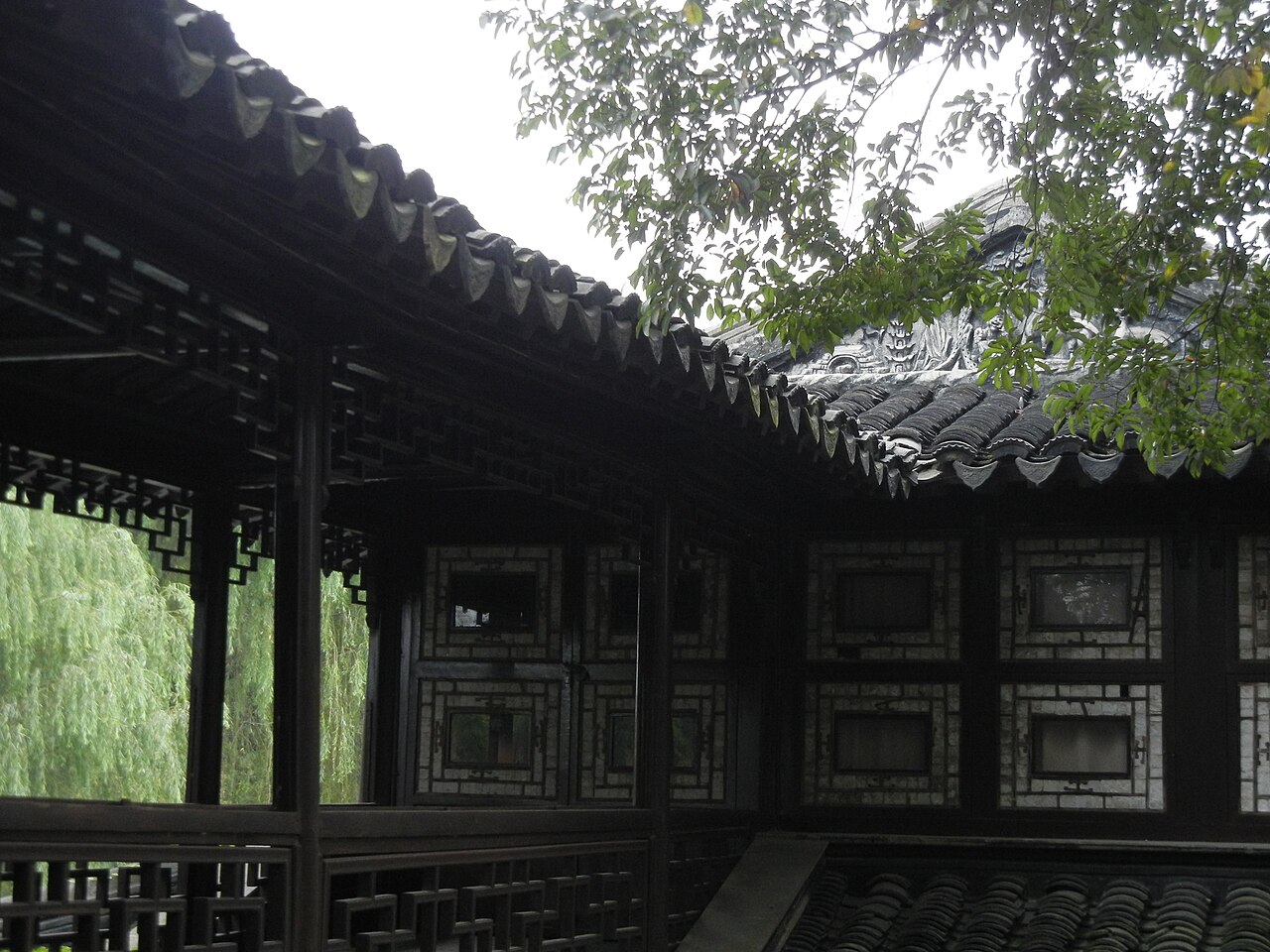
Visitors typically spend between one and three hours exploring the garden's full extent. The duration depends on interest level in architectural details, photography, and seasonal variations in plantings. The interconnected paths and multiple pavilions reward unhurried examination. Peak visitation periods may extend waiting times at narrow passages and popular viewpoints. Early arrival generally permits more contemplative experience. The garden's design intentionally slows movement through controlled sightlines and turning points. Repeat visits at different times reveal changing light conditions on water surfaces and building facades. Allow additional time for any temporary exhibitions or cultural demonstrations that may occur.
2026-08-28 kontrol edildi

Operator-confirmed hours are Not recorded pending review. Seasonal variations affect garden atmosphere significantly. Spring brings flowering trees and shrubs throughout the grounds. Summer displays lotus in the central lake. Autumn foliage provides color contrasts with white walls and dark tiles. Winter reveals structural bones of the garden with fewer visitors. Morning light generally offers optimal conditions for photography and quieter experience. Rain transforms surfaces and reflections, though some covered areas provide shelter. Major Chinese holidays generate extreme crowding that fundamentally alters the garden experience. Weekdays typically see lower visitation than weekends. Personal tolerance for crowds and weather preferences should guide timing decisions.
2026-08-28 kontrol edildi
Operator-confirmed prices are Not recorded pending review. Ticket policies for domestic and international visitors may differ. Reduced rates for students, seniors, or other categories are common at Chinese heritage sites but specific eligibility requires verification. Combination tickets with nearby attractions may be available seasonally. Online pre-purchase through official channels is advisable during high season to guarantee entry. Some ticketing systems require passport identification for foreign visitors. Refund and rescheduling policies vary by purchase platform. Free entry days for specific populations or annual occasions are not confirmed. Budget for potential ancillary costs including audio guides or printed materials if desired.
2026-08-28 kontrol edildi
The garden is located in Shanghai's urban area with multiple public transit options. Metro stations serve the general district with walking connections. Bus routes operate in surrounding streets. Exact stop names and walking directions from transit points are Not recorded. Taxi and ride-hailing services can access nearby roads, though pedestrian zones may require final approach on foot. Bicycle and scooter parking availability near entrances is unconfirmed. The garden's location within dense urban fabric means traffic congestion affects arrival times unpredictably. Signage in Chinese characters predominates; English wayfinding assistance may be limited. Allow buffer time for navigation in surrounding neighborhood streets.
2026-08-28 kontrol edildi
Crowding at narrow bridges and corridor pinch points creates bottlenecks and tripping hazards. Uneven stone paving and steps throughout require careful foot placement, particularly when wet. Low doorways and overhead beams in historic structures present collision risks for taller visitors. Water edges lack continuous barriers in many areas. Pickpocketing risk elevates during peak visitation. Official guides may approach with unverified credentials. Unauthorized photography services operate near entrances. Food and beverage policies inside the garden are not confirmed. Restroom facilities may have limited availability or queuing during busy periods. Emergency exit routes are not clearly documented for visitor reference.
2026-08-28 kontrol edildi

The garden offers extensive photographic subjects including architecture, water reflections, and seasonal plantings. Tripod use policies are Not recorded. Flash photography restrictions in interior spaces are probable but unconfirmed. Early morning provides favorable directional light on east-facing pavilions. Overcast conditions reduce harsh shadows for even illumination. Midday summer sun creates challenging high-contrast situations. Reflections in still water require windless conditions. Popular compositions at bridge viewpoints require patience during crowds. Drone operation is almost certainly prohibited in this urban heritage zone. Commercial photography permits likely required for professional equipment or posed sessions. Respect other visitors' experience when positioning for shots.
2026-08-28 kontrol edildi
The garden's local name 拙政园 and its OpenStreetMap way/468359738 placement indicate Shanghai location, though it shares heritage designation with Suzhou's classical gardens.
Not recorded. Operator-confirmed hours are Not recorded pending review.
Not recorded. Operator-confirmed prices are Not recorded pending review.
Not recorded. The historic garden contains numerous steps, bridges, and uneven stone surfaces that present probable barriers, but official accessibility claims are not verified.
Not recorded. Audio guide availability and language options are not confirmed from supplied sources.
The garden originated in the early 16th century Ming dynasty, though it has undergone substantial modifications and restorations across subsequent centuries.
Etkileşimli harita yükleniyor…
Etkileşimli harita yüklenemedi.

Son güncelleme:
Kaynak: OpenStreetMap katkıda bulunanları, Wikidata ·