

156 dk yürüyüş
翠华山
- Mutlaka görülmeli
- Manzara noktası
Dil · 11 yayınlandı
İbadet yeri · Xi'an
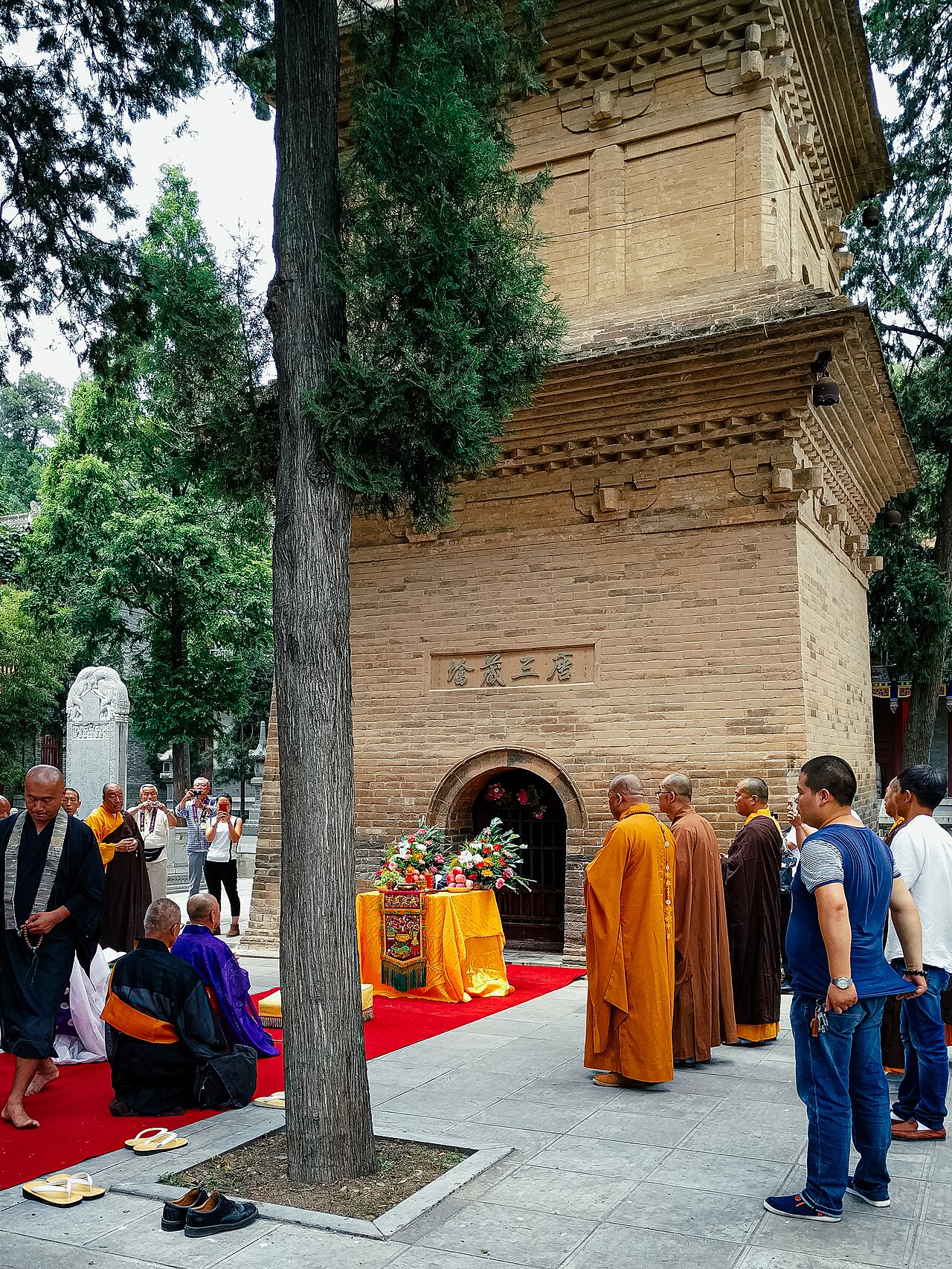
Xingjiao Temple is a Buddhist temple located in the southern suburbs of Xi'an, Shaanxi Province, China. The temple is historically significant as the burial site of the renowned Tang Dynasty monk Xuanzang, who traveled to India during the seventh century to obtain Buddhist scriptures. The temple complex contains Xuanzang's pagoda and those of his disciples Kuiji and Yuance. As a major cultural heritage site, it reflects the importance of Buddhist translation and scholarship in ancient China. The temple attracts pilgrims and visitors interested in Buddhist history and the legacy of Xuanzang's epic journey.
2026-08-26 kontrol edildi
The temple grounds contain several notable structures including Xuanzang's burial pagoda, a square-based brick structure, alongside the pagodas of his principal disciples. These pagodas represent important examples of Tang Dynasty architecture and funerary monuments for eminent monks. The temple complex includes traditional Buddhist halls, courtyards, and religious sculptures. The site preserves memorial elements connected to Xuanzang's contributions to Chinese Buddhism, particularly his translations of Sanskrit texts. Visitors can observe the layout typical of Chinese Buddhist temple complexes, with buildings arranged along a central axis. The pagodas remain the focal point for understanding the temple's religious and historical significance.
2026-08-26 kontrol edildi
Visitors typically spend approximately one to two hours exploring Xingjiao Temple and its grounds. The compact nature of the temple complex allows for a focused visit centered on the pagodas and main halls. Those with deep interest in Buddhist history, Tang Dynasty culture, or Xuanzang's biography may wish to allocate additional time for contemplation and detailed observation of architectural features. Photography and reading informational displays contribute to visit duration. The site does not require extensive walking compared to larger temple complexes in the Xi'an region. A half-day excursion from central Xi'an accommodates travel time and unhurried exploration.
2026-08-26 kontrol edildi
Operator-confirmed hours are Not recorded pending review. Visitors should verify current opening times before planning their trip. The temple can be visited throughout the year, though seasons affect the experience. Spring and autumn generally offer moderate temperatures suitable for outdoor exploration in the Xi'an region. Summer brings heat that may affect comfort during extended outdoor viewing. Winter visits occur in colder conditions with reduced vegetation. Morning hours potentially offer quieter conditions for appreciating the religious atmosphere. Religious observances may occur on Buddhist calendar dates, affecting visitor access or creating special circumstances. Advance confirmation of accessibility remains advisable for all prospective visitors.
2026-08-26 kontrol edildi
Operator-confirmed prices are Not recorded pending review. Visitors should verify current admission fees before arrival. The temple may operate with free admission or charge an entry fee typical of Chinese cultural heritage sites. Some religious sites in China maintain no admission charge while others implement ticketing systems. Potential additional costs could include guided services if available on-site. Visitors carrying valid identification should present it when required. International visitors may encounter different fee structures at some Chinese heritage locations. Budgeting for transportation costs from central Xi'an represents a necessary planning consideration regardless of admission pricing at the temple itself.
2026-08-26 kontrol edildi
Xingjiao Temple is situated in the southern suburbs of Xi'an, approximately twenty kilometers from the city center. Public transportation options include buses connecting the urban area to the temple vicinity, though specific route numbers require local verification. Taxis and ride-hailing services provide direct access with travel time dependent upon traffic conditions. Visitors may combine the temple with other southern Xi'an attractions in a single excursion. The location is less centrally accessible than major downtown sites such as the Giant Wild Goose Pagoda. Self-driving visitors should research parking availability. Rural road conditions near the temple may differ from urban Xi'an infrastructure standards.
2026-08-26 kontrol edildi
Visitors should respect the active religious nature of Xingjiao Temple as a functioning Buddhist site rather than solely a tourist destination. Appropriate dress covering shoulders and knees demonstrates cultural sensitivity. Photography restrictions may apply within certain halls or near sacred objects; observe posted signs and local guidance. The pagoda area requires careful foot traffic to preserve historic structures. Weather protection is advisable during summer heat and winter cold. Limited English signage may challenge independent navigation; preparation with basic location names in Chinese assists communication. Rural surroundings mean fewer amenities than central Xi'an; carry water and necessities. Verify return transportation options before departing the site.
2026-08-26 kontrol edildi
The pagodas of Xuanzang and his disciples offer compelling subjects for photography, particularly against clear skies that emphasize their vertical forms. Early or late daylight may provide favorable illumination of the brick structures and architectural details. The temple courtyards permit composition of traditional Chinese architectural elements including rooflines and decorative features. Visitors should exercise restraint and obtain permission before photographing religious ceremonies or individuals in prayer. Tripod use may require advance approval at heritage sites. Interior photography is commonly restricted in Buddhist halls housing statues or relics. Respectful distance from pagoda structures preserves both the site and image quality without disruptive close approaches.
2026-08-26 kontrol edildi
No. These are separate sites. The Giant Wild Goose Pagoda is located in central Xi'an and was built under Xuanzang's supervision. Xingjiao Temple in the southern suburbs contains Xuanzang's burial pagoda and those of his disciples.
Independent visits are possible but challenging due to limited English signage. Preparation with location names in Chinese characters assists with transportation and basic navigation.
The pagodas date to the Tang Dynasty period and represent significant early examples of such monuments, though specific conservation histories and any restoration work are Not recorded.
Yes. Xingjiao Temple remains an active Buddhist temple. Visitors should conduct themselves with appropriate respect for ongoing religious practice and worshippers.
The temple holds distinctive significance as Xuanzang's burial place. Its scholarly and pilgrimage importance complements rather than replaces major sites such as the Giant Wild Goose Pagoda or Famen Temple.
Amenities at this suburban temple are limited compared to central Xi'an tourist areas. Visitors should carry water and any needed supplies, with dining options potentially available in nearby village areas.
Etkileşimli harita yükleniyor…
Etkileşimli harita yüklenemedi.
Son güncelleme:
Kaynak: OpenStreetMap katkıda bulunanları ·