

2 dk yürüyüş
Národní muzeum
- Mutlaka görülmeli
- Müze
Dil · 11 yayınlandı
Tarihi anıt · Prag
Pomník svatého Václava
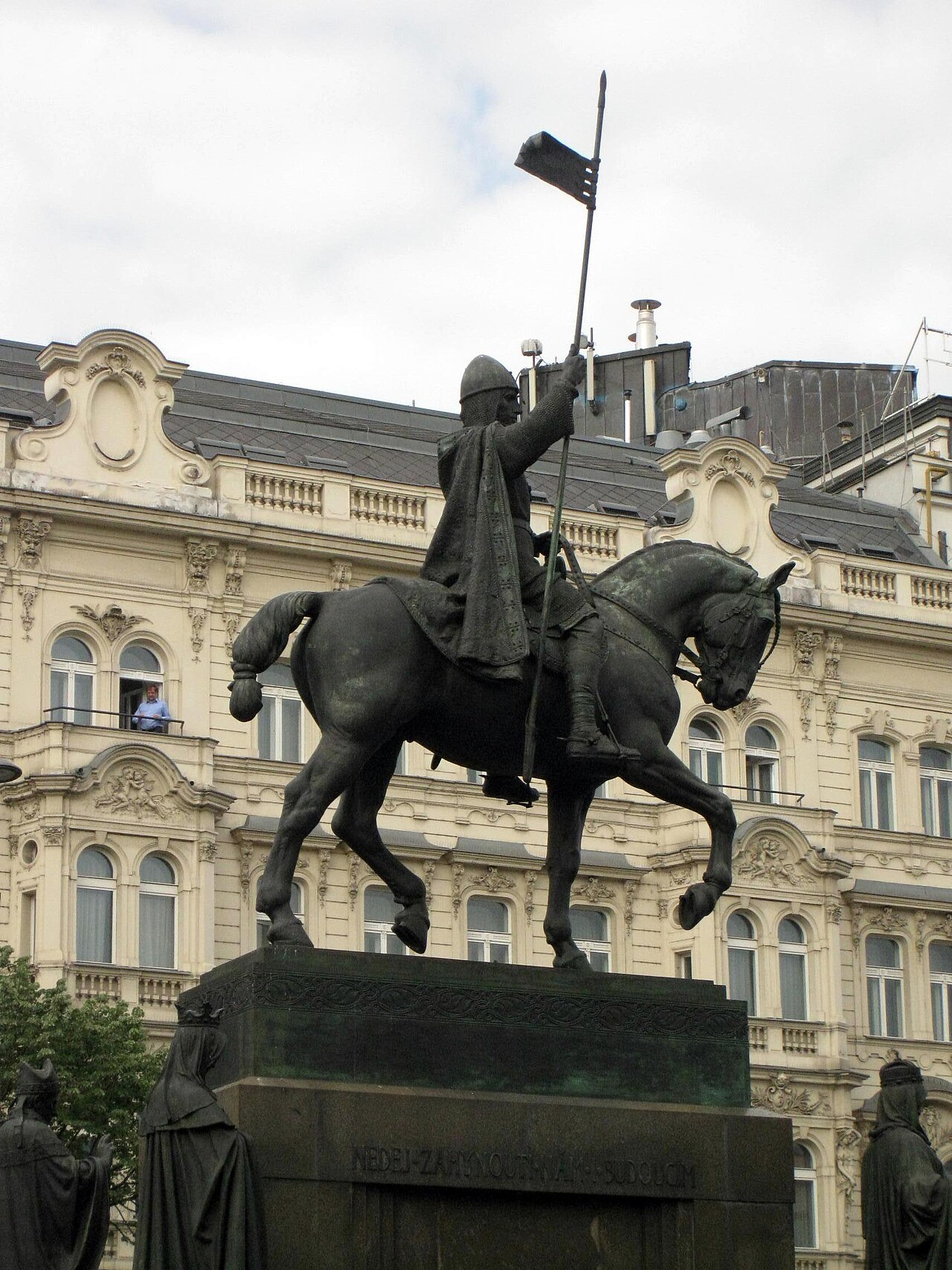
The Statue of St. Wenceslaus is an equestrian monument located in Wenceslaus Square, one of Prague's most significant public spaces. The statue depicts St. Wenceslaus, the patron saint of Bohemia, on horseback. It was created by sculptor Josef Václav Myslbek and completed in 1912. The monument serves as a focal point for the square and holds considerable cultural and historical importance for the Czech nation. The square itself has witnessed many pivotal moments in Czech history. The strongest visit keeps attention on what is distinctive at Statue of St. Wenceslaus while leaving room for the next stop. Current practical details remain Not recorded until confirmed by the responsible operator.
2026-08-26 kontrol edildi
The monument features St. Wenceslaus on horseback at its center, elevated on a substantial pedestal. At the base of the main statue, four additional figures represent other Czech patron saints: St. Ludmila, St. Agnes of Bohemia, St. Prokop, and St. Adalbert. These accompanying sculptures add layers of religious and national significance to the overall composition. The monument is an outdoor installation, freely accessible in the public square. Visitors can walk around the entire structure and examine its details from multiple angles.
2026-08-26 kontrol edildi
A visit to the Statue of St. Wenceslaus requires minimal dedicated time, typically fifteen to thirty minutes for observation and photography. Most visitors incorporate it into a broader exploration of Wenceslaus Square and the surrounding New Town area. The square itself merits considerable time, with its shops, restaurants, and historical associations. Many travelers pause at the statue briefly while passing through. The monument's central location makes it a natural meeting point or waypoint during longer walks through Prague's city center.
2026-08-26 kontrol edildi
The statue is an outdoor monument accessible at all hours, though visitor comfort varies by season. Prague experiences cold winters and warm summers. Early morning and evening hours may offer fewer crowds for photography. The square hosts various events throughout the year that may affect access or atmosphere. Visitors should exercise judgment regarding weather conditions and personal safety during nighttime visits, as with any major city center location. A flexible visit lets travellers connect Statue of St. Wenceslaus with the rest of the day without treating one room, viewpoint or photograph as the whole experience. The useful pace depends on personal interest and conditions on arrival. Check the operator's own site for the travel date before relying on a schedule or fare.
2026-08-26 kontrol edildi
No admission fee is required to view the Statue of St. Wenceslaus, as it stands in a public square. There are no tickets, entry gates, or controlled access points. Visitors should be aware that surrounding businesses, including museums and attractions near the square, may have their own fee structures. The National Museum at the top of Wenceslaus Square operates independently with separate admission policies. Budget-conscious travelers can appreciate this monument without expenditure. Check the operator's own site for the travel date before relying on a schedule or fare.
2026-08-26 kontrol edildi
Wenceslaus Square is centrally located in Prague's New Town and easily reachable by public transportation. The Muzeum metro station, serving lines A and C, sits at the square's upper end. The Můstek station, serving lines A and B, is near the lower end. Numerous tram lines serve stops adjacent to or near the square. Walking from Prague's Old Town takes approximately fifteen minutes. The square's prominence makes it straightforward to locate, and most city center accommodations lie within reasonable walking distance.
2026-08-26 kontrol edildi
Wenceslaus Square, while generally safe, attracts significant tourist traffic and associated petty crime risks. Visitors should remain vigilant against pickpockets, particularly in crowded conditions around the monument. Street vendors and individuals offering currency exchange may approach tourists; official exchange offices are preferable. The square's commercial character means persistent advertising and promotional activities. During political demonstrations or sporting celebrations, the area may become unusually congested. Winter conditions can create slippery surfaces near the monument. Standard urban awareness suffices for most visits.
2026-08-26 kontrol edildi
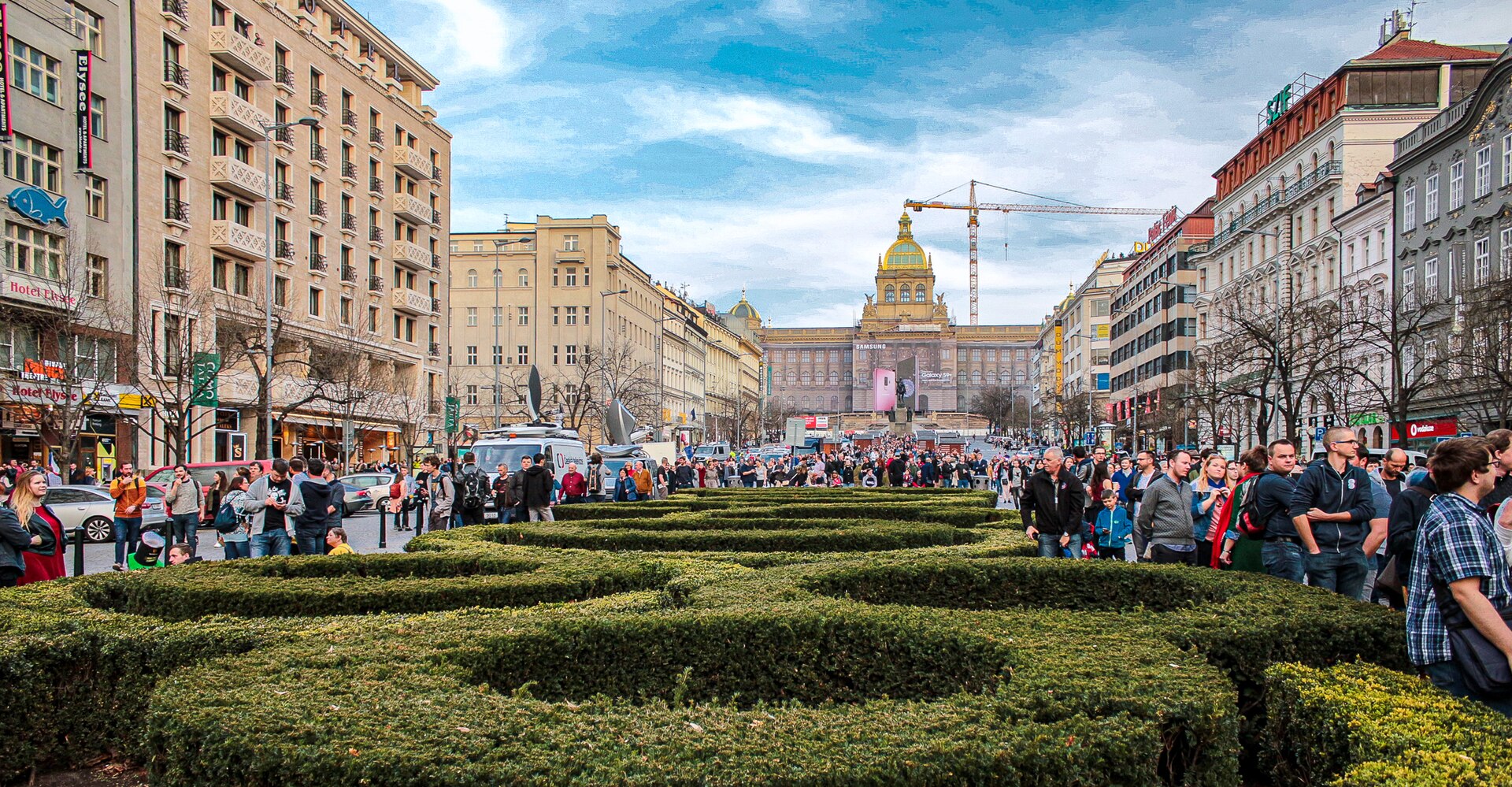
The monument permits unrestricted photography from public vantage points. The equestrian statue presents well from multiple angles, though the elevated pedestal may challenge close-up compositions. Wide shots incorporating the National Museum facade at the square's top create strong visual context. Morning and late afternoon light offer favorable illumination. Night photography benefits from surrounding street lighting, though a tripod may attract attention in busy periods. The square's open space allows flexible positioning. Respectful conduct is expected, as the monument carries national significance and occasionally serves as a site of commemoration.
2026-08-26 kontrol edildi
No. The current monument was created by Josef Václav Myslbek and completed in 1912, replacing an earlier Baroque statue.
No. The pedestal is not designed for climbing, and visitors should observe the monument from ground level.
Not recorded. The monument is typically visited independently or as part of broader Prague walking tours.
Check the operator's own site for the travel date before relying on a schedule or fare.
Not recorded. Visitors should expect to use facilities in nearby shops, restaurants, or other establishments.
The monument is in a public square at ground level, but specific accessibility accommodations are Not recorded pending review.
Etkileşimli harita yükleniyor…
Etkileşimli harita yüklenemedi.

Son güncelleme:
Kaynak: OpenStreetMap katkıda bulunanları, Wikidata ·