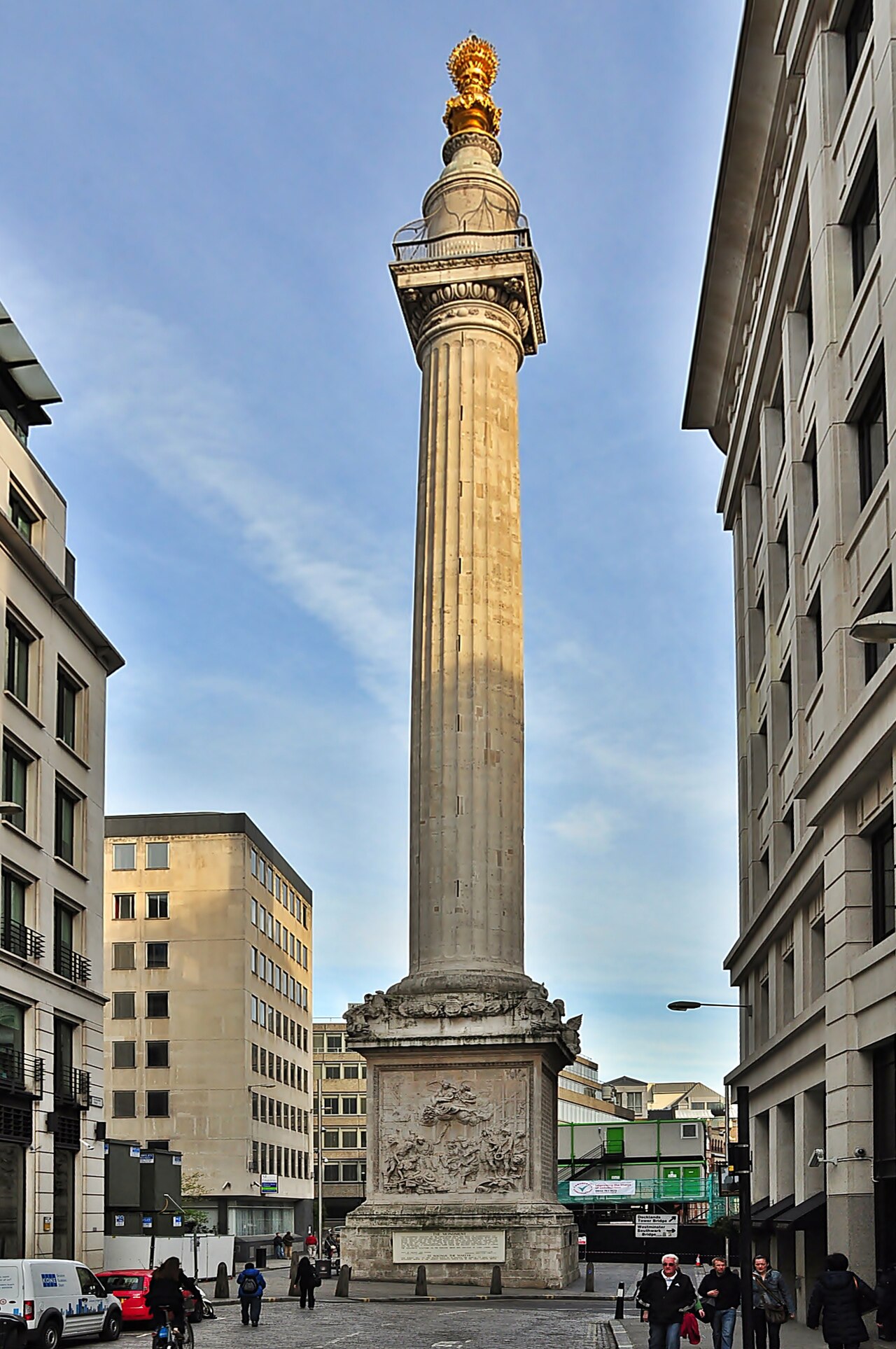
London Wall is a historic defensive wall built by the Romans around Londinium, their strategically vital settlement on the River Thames. Constructed mainly in the late second or early third century, it defined the boundaries of Roman London for centuries. Substantial portions survive today, integrated into the modern City of London's fabric. The wall remained significant through medieval times, though its defensive purpose diminished. Archaeological investigations have revealed its construction techniques and later modifications. Sections stand at various locations, offering tangible connection to Roman Britain. The structure represents one of London's most enduring physical links to its ancient past, predating many better-known monuments.
The London Wall comprises surviving stone and brick sections at multiple sites, not a single continuous structure. Notable visible remnants include sections near the Museum of London, at Tower Hill, and within the Barbican estate. These fragments display Roman construction with characteristic tile bonding courses and later medieval repairs. Some sections incorporate bastions and towers. The wall exists as exposed archaeological remains and incorporated building fabric. Interpretation panels at certain locations provide historical context. The Museum of London holds related artefacts and documentation. No enclosed visitor attraction contains the wall; rather, it manifests as urban fabric integrated into streets, buildings, and public spaces throughout the historic core.
Visiting all substantial London Wall sections requires several hours of walking through the City. The original Roman circuit extended approximately two miles, enclosing about 330 acres. Individual visible segments range from a few metres to more substantial stretches. A comprehensive exploration combining Tower Hill, the Barbican area, and Museum of London vicinity demands half a day. Casual observation of one or two key sections suits shorter visits. The wall's fragmented distribution necessitates urban navigation between sites. No guided route or official trail is designated. Visitors should consult detailed maps or heritage resources to locate all accessible remnants efficiently within the modern street plan.
London Wall sections occupy public spaces and streets, accessible at all times without restriction. No single managing authority controls all portions. Weather considerations apply as all viewing is outdoors; daylight improves visibility of construction details and interpretation panels. Winter brings shorter daylight hours and reduced comfort for extended walking. Summer evenings offer extended exploration time. The surrounding City of London operates as a major business district, so weekdays feature heavy pedestrian traffic. Weekends provide quieter conditions for contemplation and photography. No seasonal closures affect the wall itself. Check the operator's own site for the travel date before relying on a schedule or fare.
Viewing London Wall sections is free of charge as they stand in public thoroughfares and spaces. No admission fees apply to any portion. The Museum of London, which provides contextual interpretation and holds related collections, previously operated with free admission; its current status requires verification following its closure for relocation. No combined tickets or heritage passes specifically cover London Wall sites. Visitors incur only personal expenses for transport, refreshments, and any supplementary guidebooks or resources they choose to purchase for self-directed exploration of this dispersed monument.
London Wall fragments cluster in the City of London, served by numerous transport options. Tower Hill section lies adjacent to Tower Hill Underground station and Tower Gateway DLR. Barbican area sections access via Barbican Underground station. Museum of London vicinity reachable from Barbican or St Paul's stations. Multiple bus routes traverse the City. The dispersed nature requires walking between sites through busy streets. The area lies within Transport for London's Zone 1. Visitors should consult current TfL resources for specific route planning. The compact City area suits pedestrian exploration, though street layout follows medieval patterns rather than Roman alignment, complicating navigation.
Traffic and construction activity dominate the City environment; remain alert near roads and building works. Wall sections appear unexpectedly, sometimes partially obscured by modern structures or vegetation. Interpretation panel visibility varies; some locations lack clear identification. The Barbican estate presents complex pedestrian navigation. Tower Hill area attracts heavy tourist traffic. Weather exposure is complete; no shelter exists at wall sites. Some sections stand at height or behind barriers; safe viewing positions are provided. The City's weekend quietude means fewer open facilities nearby. Mobile mapping assists location-finding. Respect all site boundaries; do not climb or damage archaeological fabric. Report any concerns to relevant authorities.
Photography of London Wall sections is unrestricted in public spaces. No commercial permit requirements are documented. Optimal lighting varies by site orientation; morning or afternoon sun enhances Roman masonry texture. The Barbican sections offer dramatic modernist architectural juxtaposition. Tower Hill provides context with the Tower of London nearby. Close-up detail shots capture tile courses and construction variation. Wide angles establish urban integration. Tripod use in busy thoroughfares may attract security attention; exercise discretion. Night photography possible though artificial lighting on wall sections is minimal. The Museum of London's previous displays offered additional photographic subjects; current status requires verification. Respect privacy of adjacent occupied buildings.
2026-08-28 kontrol edildi
Sık sorulan sorular
Is London Wall a single continuous structure?
No. London Wall survives as fragmented sections at multiple locations across the City of London, not as one continuous monument. The original Roman circuit was approximately two miles.
When was London Wall built?
Construction occurred mainly in the late second or early third century AD during Roman occupation of Britain. Precise dating of specific phases remains subject to archaeological interpretation.
Is there an admission fee to see London Wall?
No. All visible sections stand in public spaces and streets without admission charges. No tickets or permits are required for viewing.
Are all London Wall sections clearly signposted?
Not consistently. Some locations have interpretation panels; others are less prominently identified. Detailed heritage maps or guides assist location-finding.
Can visitors walk on or touch the wall?
No. Visitors should observe from designated positions and not climb or damage the archaeological fabric. Some sections stand behind protective barriers.
Does London Wall have official opening hours?
No. As outdoor public space, wall sections remain accessible at all times.
Kaynak:
OpenStreetMap katkıda bulunanları, Wikidata
·
Çerez tercihleri
İzin gereken bölgelerde, siz seçim yapmadan önce zorunlu olmayan hiçbir şey ayarlanmaz. Reddetmeniz durumunda reklamlar yine görünür ancak kişiselleştirilmemiş olur ve analitik tamamen kapatılır.