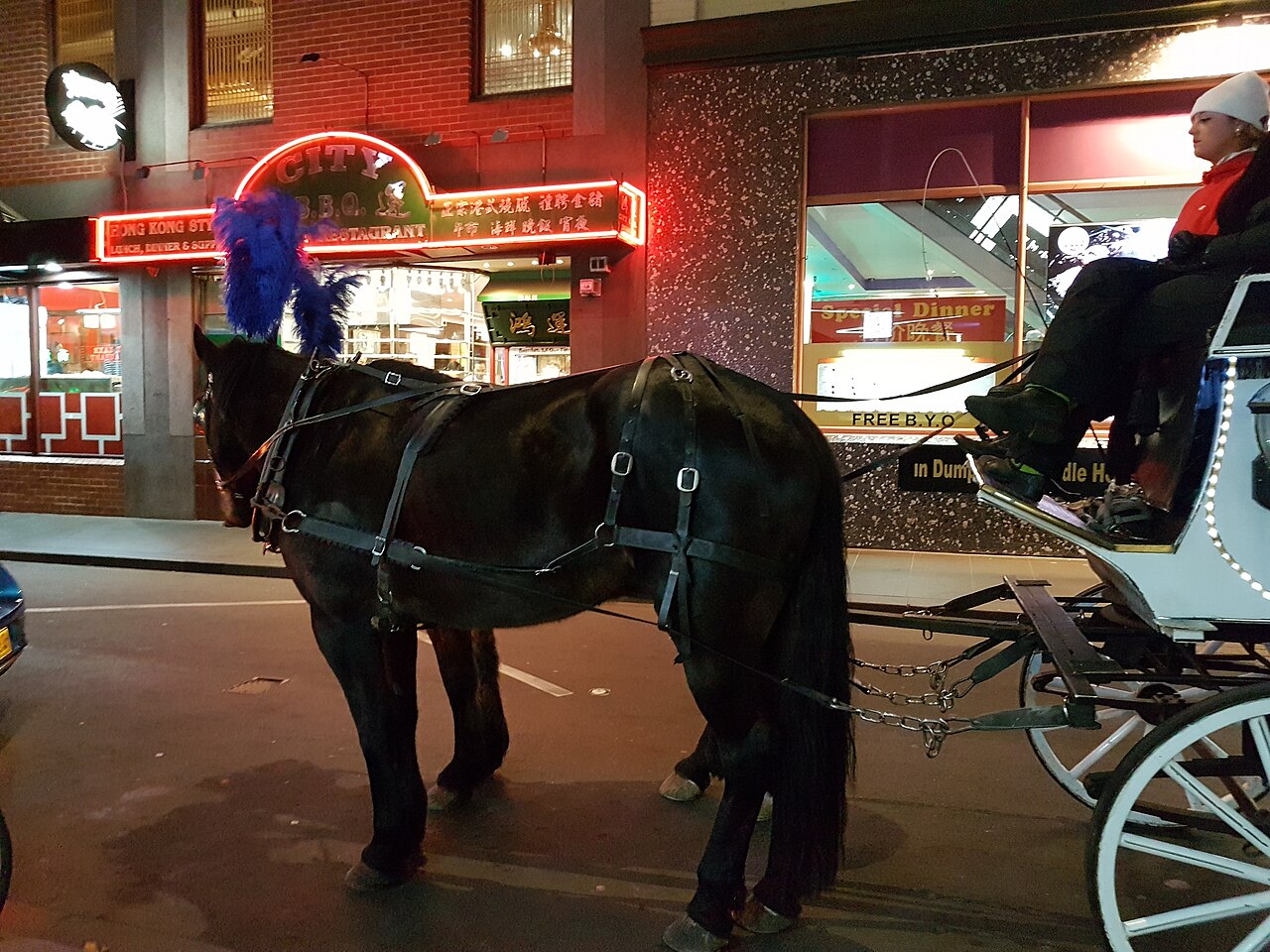
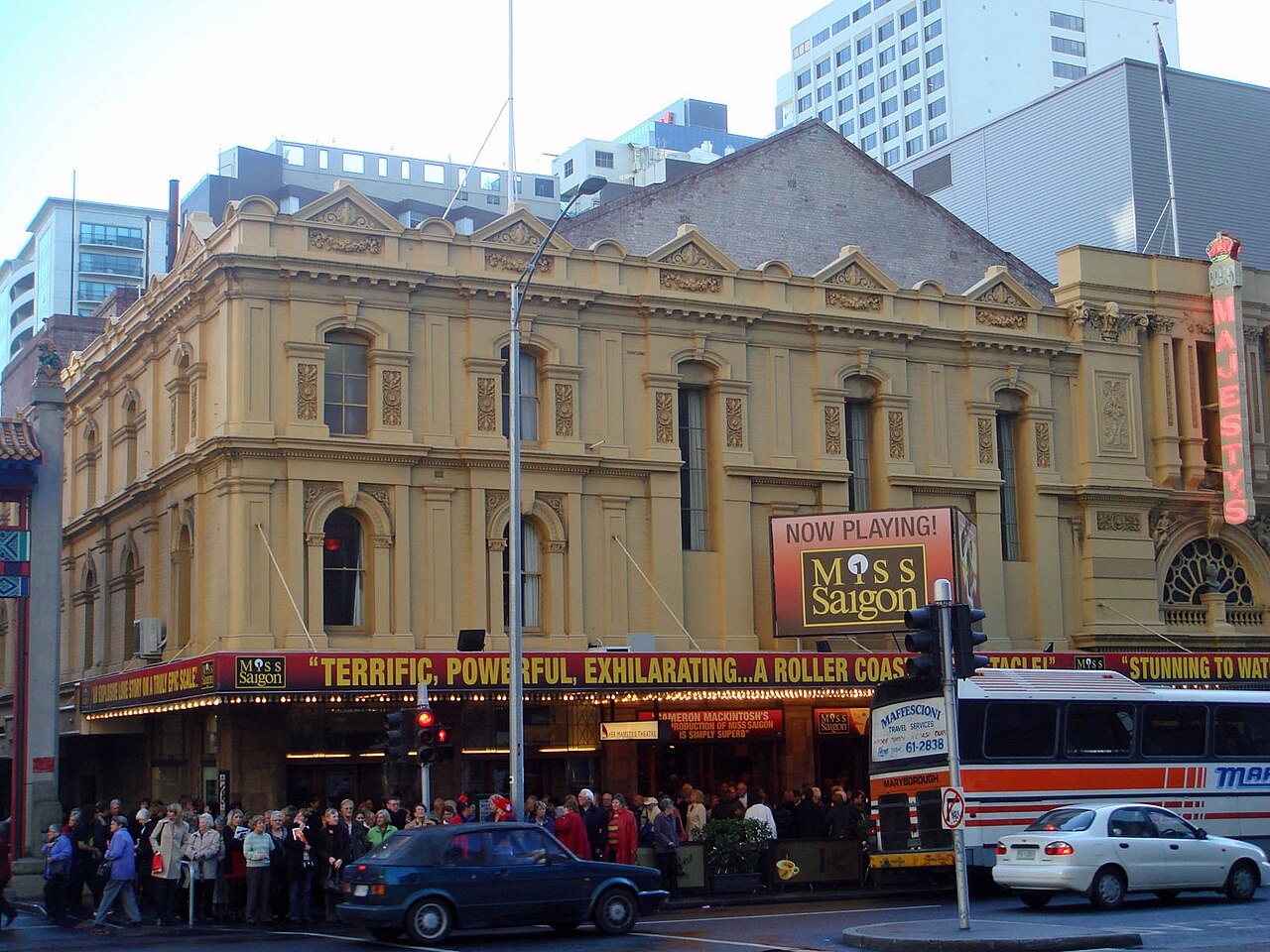
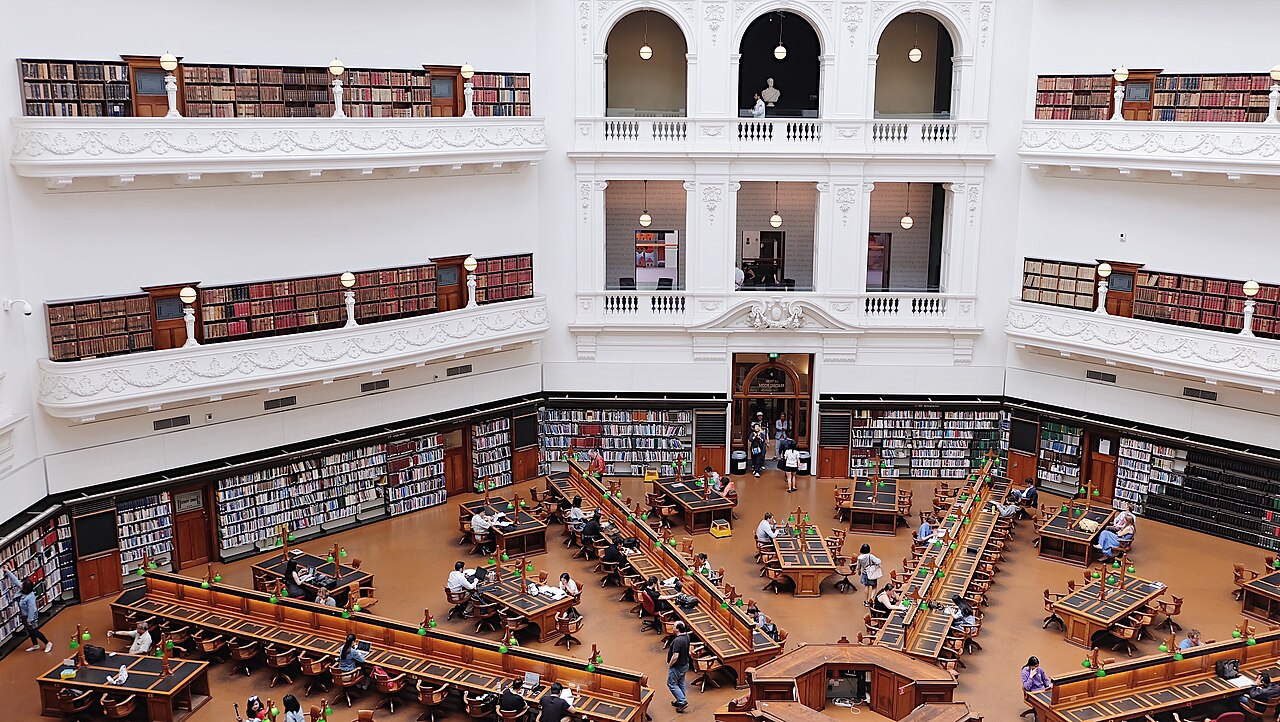
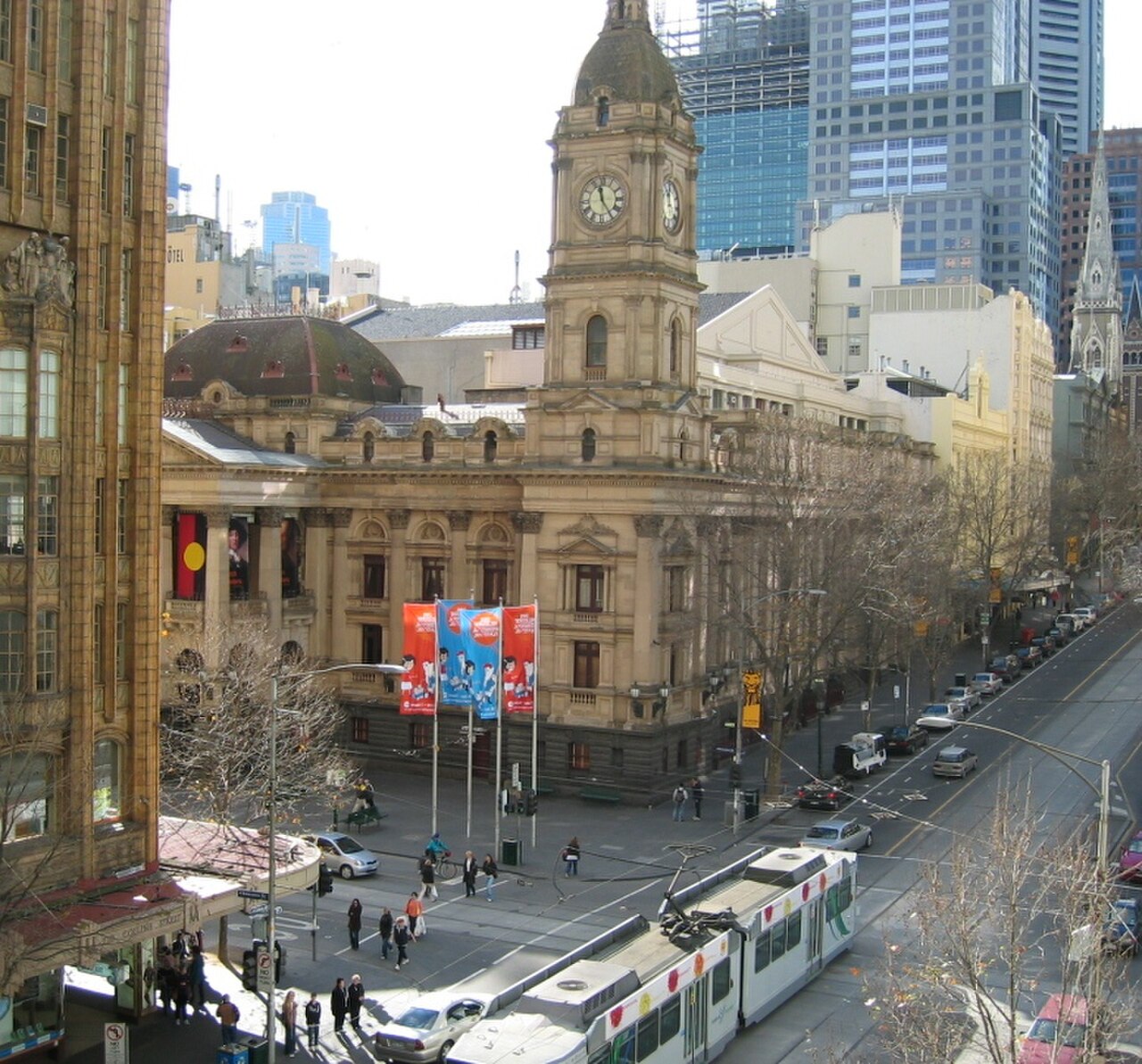
Chinatown Melbourne is an ethnic enclave in the central business district of Melbourne, Australia. Established during the Victorian gold rush of the 1850s, it is one of the oldest continuous Chinese settlements in the Western world and the oldest Chinatown in Australia. The precinct centres on Little Bourke Street and extends to surrounding laneways. It is recognised for its historical significance, architectural heritage, and role as a cultural and commercial hub for Melbourne's Chinese community and visitors seeking authentic Asian experiences.
The precinct contains heritage-listed buildings, Chinese restaurants, grocery stores, herbal medicine shops, and cultural institutions. Notable features include the Chinese Museum, the Millennium Dragon, and various temples and clan associations. The area hosts restaurants serving regional Chinese cuisines alongside other Asian culinary traditions. Decorative elements such as paifang arches and lanterns mark the streetscape. The narrow laneways contain additional businesses and some street art. The density of dining establishments makes it a significant food destination within central Melbourne. Chinatown Melbourne also earns time in a melbourne itinerary because Frozen visitor rank established independently of local database availability; current visitor relevance was verified on 2026-08-28 and the exact identity was reconciled without a proxy or lower-value filler. Its value becomes clearer when the stop is compared with the surrounding streets and the other ranked places nearby.
A thorough exploration of Chinatown Melbourne requires approximately two to three hours for walking the main thoroughfares and laneways, observing architectural details, and visiting the Chinese Museum. Dining experiences extend this duration considerably. Visitors focused primarily on a meal and brief atmospheric walk may complete their visit in sixty to ninety minutes. Those with specific interests in heritage architecture or photographic documentation should allocate additional time. Evening visits, particularly for dinner service, represent the most common pattern of engagement with the precinct.
Chinatown Melbourne operates as a public precinct with continuous street access. Individual businesses maintain independent operating hours. The area experiences heightened activity during lunch periods on weekdays and throughout evenings, particularly Thursday through Saturday nights. Chinese New Year and other cultural festivals bring additional programming and crowds. Visitors should verify individual venue hours before travel, especially for the Chinese Museum and specific restaurants of interest. Check the operator's own site for the travel date before relying on a schedule or fare.
Street access to Chinatown Melbourne requires no admission fee. The Chinese Museum charges separate entry fees. Individual restaurants, shops, and services set their own prices. No unified ticketing system operates across the precinct. Visitors should budget according to their intended activities, whether dining, shopping, or museum visitation. Cash and card payments are generally accepted, though specific payment policies vary by individual business and should be confirmed directly. Check the operator's own site for the travel date before relying on a schedule or fare.
Chinatown Melbourne occupies Little Bourke Street between Swanston and Spring Streets in the central business district. The precinct is accessible via Melbourne Central railway station and Flinders Street railway station, each approximately ten minutes' walk. Multiple tram routes including the 19, 57, 59, 86, 95, and 96 serve nearby stops on Elizabeth Street and Bourke Street. The free tram zone encompasses the area. Walking from Federation Square or major CBD hotels is practical. No dedicated parking exists; commercial car parks operate nearby.
The precinct becomes crowded during peak dining hours, reducing mobility and increasing wait times without reservations. Some laneways are narrow and poorly lit after dark. Standard urban precautions regarding personal belongings apply. Restaurant quality varies; visitor judgement is advised when selecting establishments. Heritage building conditions differ; not all facades are actively maintained. During festivals, temporary infrastructure affects normal pedestrian flows. Weather protection is limited along the main street. Accessibility varies significantly across older buildings and laneway establishments, with many venues lacking step-free access.
The paifang gates at either end of Little Bourke Street provide identifiable framing devices. Early morning offers reduced pedestrian interference for architectural photography. Night photography benefits from illuminated signage and lantern installations, though tripod use in crowded areas requires consideration for pedestrian traffic. The Chinese Museum permits photography under specific conditions; visitors should inquire internally. Interior restaurant photography requires establishment permission. Heritage building facades on Little Bourke Street and Crossley Street offer consistent visual interest. Overcast conditions reduce harsh shadows across the narrow street corridor.
2026-08-26 kontrol edildi
Sık sorulan sorular
Is Chinatown Melbourne open every day for Chinatown Melbourne in Melbourne?
The public streets are accessible continuously. Individual businesses operate independently with varying hours. Verification of specific venue hours before visiting is recommended.
Does it cost money to enter Chinatown Melbourne for Chinatown Melbourne in Melbourne?
No admission fee applies to the public precinct. The Chinese Museum charges separate entry. Restaurants and shops require payment for goods and services.
What is the best way to get to Chinatown Melbourne for Chinatown Melbourne in Melbourne?
Tram routes 19, 57, 59, 86, 95, and 96 serve nearby stops. Melbourne Central and Flinders Street railway stations are within walking distance. The area sits within the free tram zone.
How old is Chinatown Melbourne for Chinatown Melbourne in Melbourne?
Established during the 1850s Victorian gold rush, it is the oldest continuous Chinese settlement in Australia and among the oldest in the Western world.
Is the Chinese Museum worth visiting for Chinatown Melbourne in Melbourne?
The museum documents Chinese-Australian history and houses the Millennium Dragon. Entry fees apply. Visitor interest in cultural and migration history should inform this decision.
Are there vegetarian or dietary-specific options available for Chinatown Melbourne in Melbourne?
Numerous restaurants operate in the precinct with varied menus. Specific dietary accommodation varies by establishment. Direct inquiry with individual restaurants is necessary for reliable information.
KaydedilmemişHenüz bunu kaydeden doğrulanmış bir kaynak yok.
Son güncelleme:
Kaynak:
OpenStreetMap katkıda bulunanları
·
Çerez tercihleri
İzin gereken bölgelerde, siz seçim yapmadan önce zorunlu olmayan hiçbir şey ayarlanmaz. Reddetmeniz durumunda reklamlar yine görünür ancak kişiselleştirilmemiş olur ve analitik tamamen kapatılır.