Mirante · Cusco
Montaña Huayna Picchu
Fotografia
_Mark_Blumenthal.jpg)
- Hoje
- Horário não registado
- Duração da visita
- 20 min
- Acessibilidade
- Não registrado
- Preço
- Não registrado
- Posição
- Imperdível
- Classificação
- Classificação 60 de 2,497
Sobre Montaña Huayna Picchu
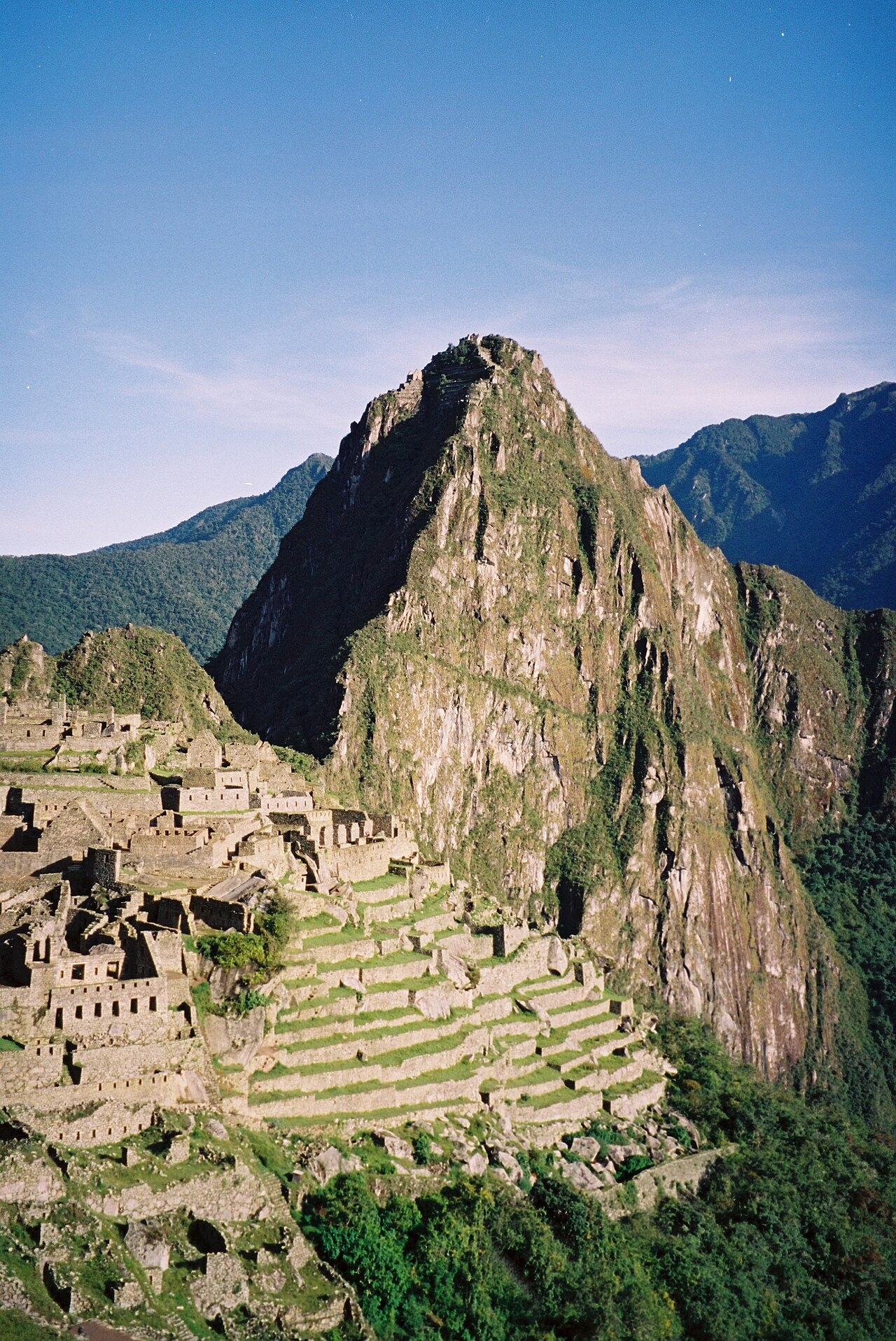
Huayna Picchu, locally called Montaña Huayna Picchu, is a steep mountain rising above the Machu Picchu archaeological site in the Cusco region of Peru. It forms a dramatic backdrop to the famous Inca citadel. The peak offers visitors a challenging hiking route with significant elevation gain. The mountain is part of the larger Machu Picchu complex, a UNESCO World Heritage site. Its distinctive profile appears in countless photographs of the ruins below. Huayna Picchu is best treated as a distinct stop rather than a generic example of its category. Focus on the setting, surviving features and visitor route visible on arrival.
Verificado em 2026-08-28
O que há dentro
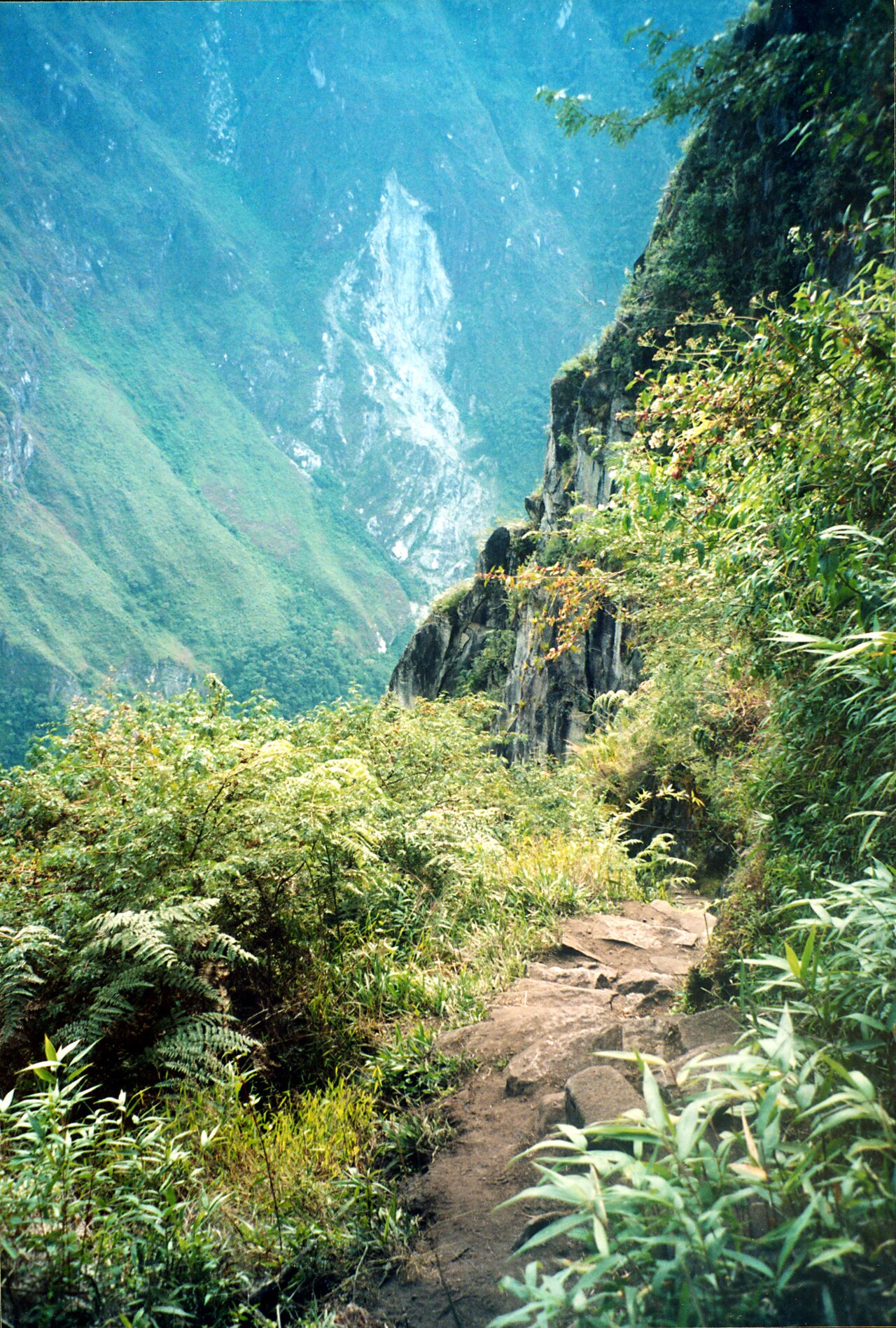
The Huayna Picchu trail features narrow stone pathways, steep staircases, and sections with cable handrails. Hikers encounter archaeological remains including terraces and structures built by the Inca. The summit provides panoramic views of Machu Picchu, the surrounding Urubamba River valley, and neighboring peaks. The Temple of the Moon, a ceremonial cave structure, lies on the northern side of the mountain. Vegetation along the route includes cloud forest species adapted to the steep terrain. A flexible visit to Huayna Picchu leaves room to adjust for access conditions without relying on unverified schedules, prices or closure assumptions. Confirm practical details with the operator when available.
Verificado em 2026-08-28

.jpg)
Quanto tempo dedicar
The round-trip hike to Huayna Picchu summit typically requires several hours of strenuous physical effort. The trail involves steep ascents and descents on narrow paths with exposure in places. Fitness level and pace significantly affect duration. Visitors should allow adequate time for the complete circuit, including potential delays at congested narrow sections. Descent demands equal attention due to the steep grade. Combined with Machu Picchu exploration, the day involves substantial walking and climbing. The useful pace at Huayna Picchu depends on personal interest and conditions on the day. Keep the surrounding part of the itinerary flexible if access or visitor flow differs from expectations.
Verificado em 2026-08-28


Temporada e multidões
Dry season months from May through September generally offer more favorable weather conditions with reduced rainfall, though morning cloud cover is common. Wet season brings increased precipitation and potentially slippery trail conditions. Operator-confirmed hours are Not recorded pending review. Visitors should verify current access schedules through official channels before planning. Early morning entry typically provides clearer views before afternoon clouds accumulate. Advance reservation is essential due to strictly limited daily visitor quotas that fill quickly throughout the year.
Verificado em 2026-08-28
Ingressos
Access to Huayna Picchu requires a specific entry permit purchased in conjunction with Machu Picchu admission. Daily visitor numbers are strictly capped. Operator-confirmed prices are Not recorded pending review. Tickets must typically be secured well in advance, particularly during peak travel periods. Different entry time slots may be offered. Visitors should consult official Peruvian government tourism platforms or authorized vendors for current pricing, availability, and booking procedures. No same-day purchase is generally possible due to demand. Huayna Picchu is best treated as a distinct stop rather than a generic example of its category. Focus on the setting, surviving features and visitor route visible on arrival.
Verificado em 2026-08-28

.jpg)
Chegando lá
Huayna Picchu is accessed from within the Machu Picchu citadel. Reaching Machu Picchu involves travel to Aguas Calientes town, followed by bus ascent or hiking to the archaeological entrance. Aguas Calientes connects to Cusco and the Sacred Valley via train services. The specific trailhead for Huayna Picchu lies inside the Machu Picchu complex. Visitors must present valid permits at the control point. Signage and staff direct permit holders to the designated entry location within the site.
Verificado em 2026-08-28

O que observar
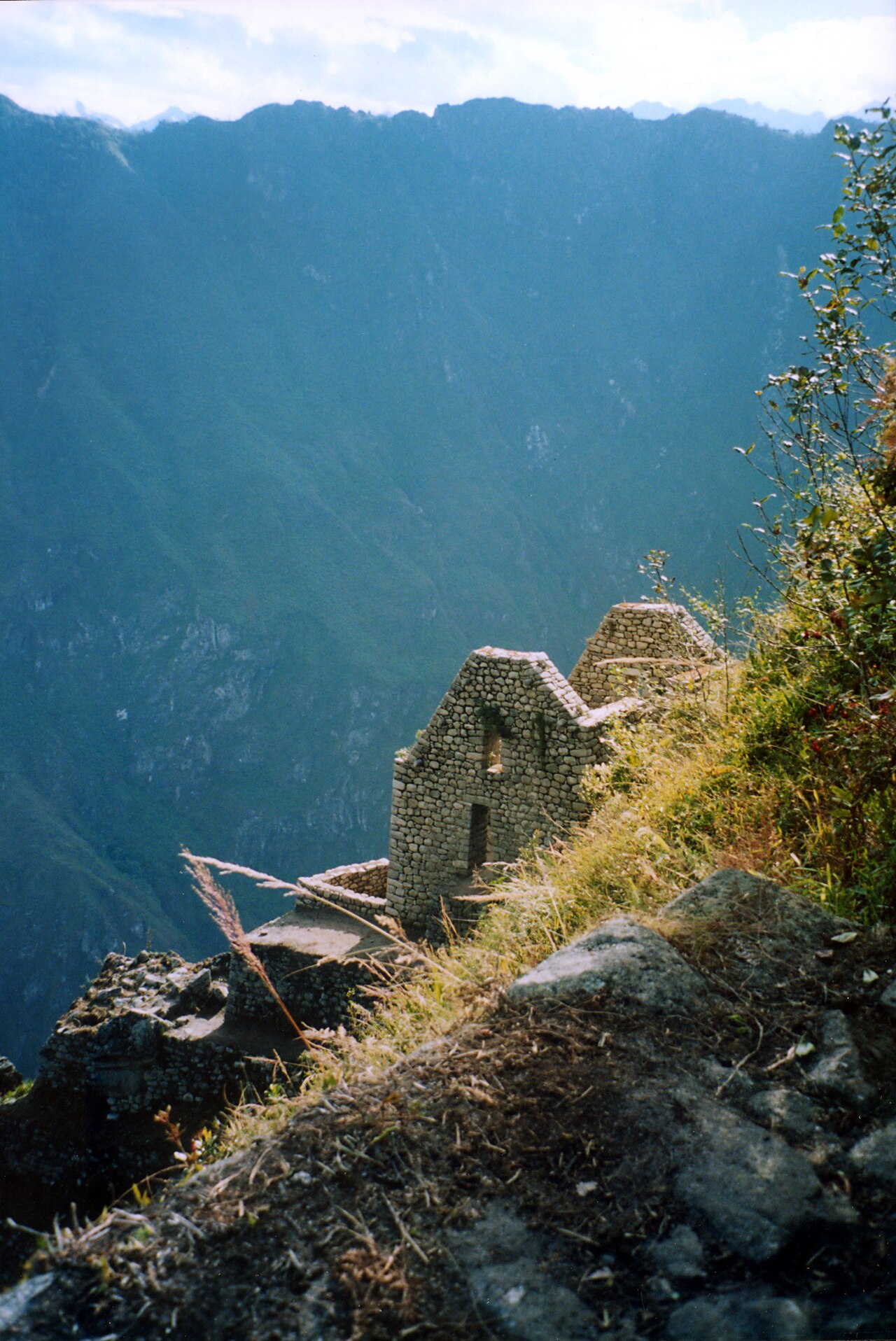
The trail presents significant physical demands with steep, exposed sections and narrow passages where passing others is difficult. Altitude effects may compound exertion at this elevation. Weather changes rapidly; rain creates hazardous slippery conditions. Portions feature cliff exposure requiring careful footing. The route is unsuitable for those with vertigo, limited mobility, or inadequate fitness. Carry sufficient water and protection against sun and rain. Respect all barriers and staff instructions. Emergency evacuation from the trail is extremely difficult and time-consuming.
Verificado em 2026-08-28

Fotografia
Photography rules are Not recorded pending review. Visitors should assume standard protections apply for this protected archaeological and natural area. Commercial filming typically requires special authorization. Drone use is generally prohibited in the Machu Picchu sanctuary. Tripods and extended equipment may face restrictions in narrow trail sections. The summit offers iconic views of Machu Picchu below, though morning mist may obscure visibility. Respect other hikers and safety protocols when stopping for photographs on narrow or exposed trail segments.
Verificado em 2026-08-28
Perguntas comuns
Is Huayna Picchu the same as Machu Picchu mountain for Huayna Picchu in Cusco?
No. Huayna Picchu and Machu Picchu mountain are separate peaks with distinct trails. Huayna Picchu is the iconic steep peak directly behind the citadel in classic photographs. Machu Picchu mountain is a separate, higher summit on the opposite side with a different trail system. Each requires its own specific permit.
Do I need to book Huayna Picchu in advance for Huayna Picchu in Cusco?
Yes. Daily permits are strictly limited and typically sell out weeks or months ahead. Same-day purchase is generally not possible. Advance booking through official channels is essential for securing entry.
Is the Huayna Picchu hike dangerous for Huayna Picchu in Cusco?
The trail involves steep, narrow paths with exposure and requires good physical condition, proper footwear, and careful attention. It is unsuitable for those with vertigo or limited fitness. Weather conditions significantly affect difficulty.
Can I visit Huayna Picchu without entering Machu Picchu for Huayna Picchu in Cusco?
No. The Huayna Picchu trailhead is located inside the Machu Picchu archaeological complex. A Machu Picchu entry ticket with the Huayna Picchu add-on is required.
What should I bring for the hike for Huayna Picchu in Cusco?
Bring adequate water, sun protection, rain gear, and sturdy footwear with good traction. The trail offers no services or water sources. Travel light due to the strenuous nature of the climb.
Are there age restrictions for Huayna Picchu for Huayna Picchu in Cusco?
Specific age restrictions are Not recorded pending review. The trail's difficulty and exposure make it unsuitable for young children and those with limited mobility. Visitors should assess their own fitness and comfort with steep, narrow mountain paths.
Onde está
A carregar o mapa interativo…
Não foi possível carregar o mapa interativo.
Perto
Encaixe isso em um plano
Links externos
Última atualização:
Fonte: Colaboradores do OpenStreetMap, Wikidata ·