Monumento histórico · Jerusalem
Kidron Valley
Fotografia

- Hoje
- Horário não registado
- Duração da visita
- 2 horas
- Acessibilidade
- Não registrado
- Preço
- Não registrado
- Posição
- Imperdível
- Classificação
- Classificação 24 de 1,717
Sobre Kidron Valley
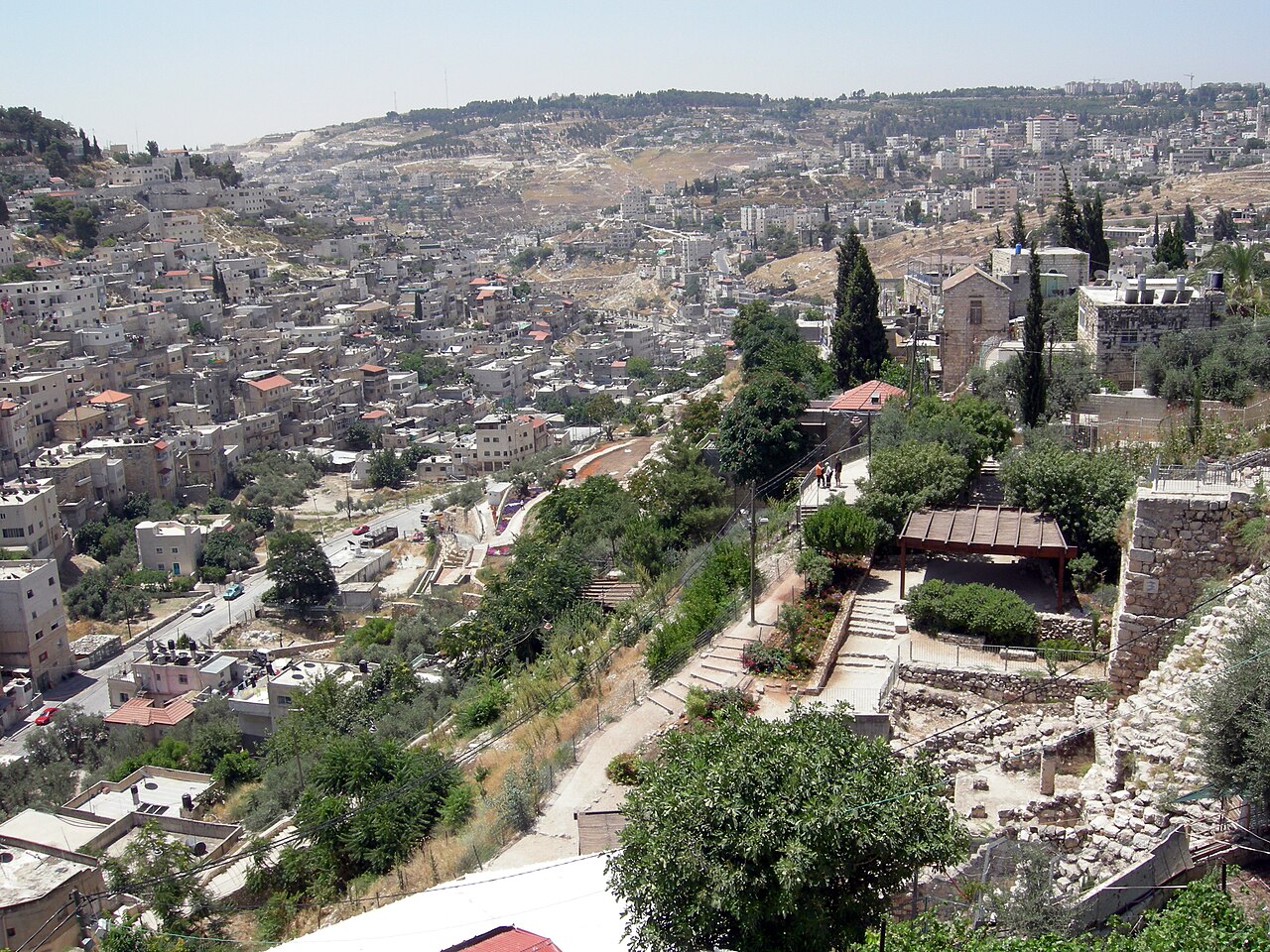
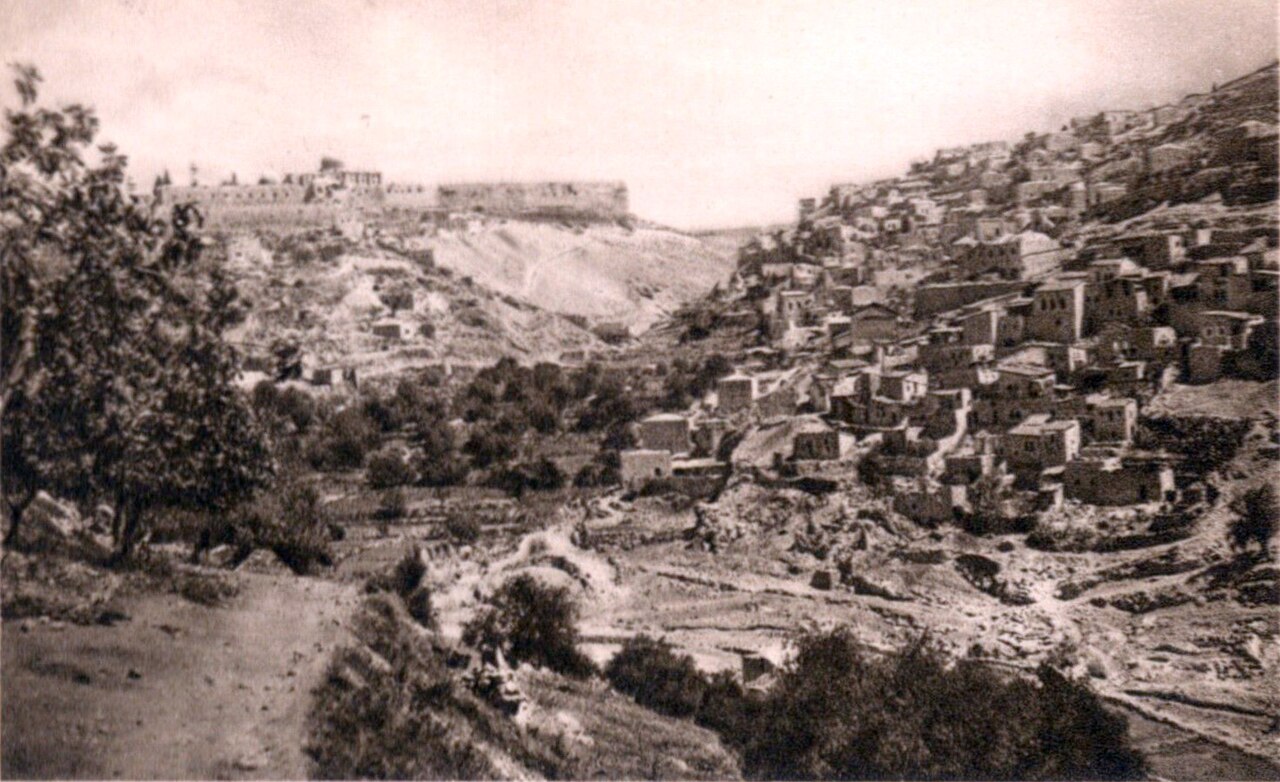
Kidron Valley is a deep ravine on the eastern side of the Old City of Jerusalem, running between the Temple Mount and the Mount of Olives. The valley has served as a significant geographical and religious boundary throughout Jerusalem's long history. It contains ancient Jewish tombs and monuments that date across multiple periods. The valley carries substantial importance in Abrahamic religious traditions, appearing in biblical texts and remaining a visible feature of Jerusalem's topography that visitors encounter when moving between major holy sites in the area.
Verificado em 2026-08-26
O que há dentro
The valley contains several notable ancient burial monuments including the Tomb of Absalom, the Tomb of Benei Hezir, and the Tomb of Zechariah. These rock-cut structures represent significant surviving examples of Second Temple period funerary architecture. The valley floor and slopes contain additional archaeological remains and cemeteries from various historical periods. Vegetation and terrain features reflect the dry climate of the Jerusalem region. The surrounding slopes of the Mount of Olives hold extensive Jewish cemeteries with graves spanning many centuries of burial tradition.
Verificado em 2026-08-26


Quanto tempo dedicar
A meaningful visit to observe the principal monuments from accessible viewpoints requires approximately thirty to sixty minutes. Visitors walking the valley floor or exploring the area more thoroughly may spend ninety minutes to two hours. The duration depends on interest level in archaeological and religious historical features, physical mobility for terrain navigation, and whether the visit connects to broader exploration of the Mount of Olives or approaches to the Old City. Many visitors incorporate the valley as part of longer itineraries rather than as an isolated destination.
Verificado em 2026-08-26
Temporada e multidões
Operator-confirmed hours are Not recorded pending review. The valley is an open geographical area without controlled entry points, accessible at all times in principle. Visitors should consider Jerusalem's climate patterns, with hot dry summers and cool wet winters. Morning hours may offer more comfortable temperatures during warmer months. Daylight availability affects visibility of architectural details and safe navigation of uneven terrain. Religious holidays and weekly patterns in surrounding areas may influence visitor density and access conditions in the broader vicinity. Kidron Valley also earns time in a jerusalem itinerary because WIKIDATA_EDITORIAL reconciliation for the ranked entry; identity and coordinates were verified without a nearby fallback. Its value becomes clearer when the stop is compared with the surrounding streets and the other ranked places nearby.
Verificado em 2026-08-26

Ingressos
Operator-confirmed prices are Not recorded pending review. The Kidron Valley itself has no entry fee as an open geographical space. Some individual sites or institutions in the surrounding area may operate separate admission policies. Visitors should verify current arrangements for any specific monuments, museums, or religious sites they intend to enter. Costs for guided services, if desired, would be arranged separately with tour providers. Transportation to the area involves standard Jerusalem public transit or taxi fares, or walking for those staying nearby.
Verificado em 2026-08-26


Chegando lá
The valley lies immediately east of Jerusalem's Old City walls, accessible on foot from multiple gates including the Lions' Gate and Dung Gate. Walking routes descend from the Old City or approach from the Mount of Olives. Public bus services operate to stops serving the Mount of Olives ridge and surrounding neighborhoods, requiring subsequent walking. Road access exists for private vehicles and taxis though parking availability varies. The terrain involves significant elevation changes; visitors with mobility limitations should plan routes carefully and verify current path conditions before attempting steep descents or ascents.
Verificado em 2026-08-26
O que observar
Terrain throughout the valley is uneven, with rocky surfaces and variable path conditions that require sturdy footwear and careful footing. Summer heat demands adequate water and sun protection. The area's political and religious sensitivities warrant respectful behavior, particularly near cemeteries and sites of active worship. Some zones may have restricted access or local guidance about appropriate conduct. Visitors should remain aware of broader security conditions in Jerusalem and follow any official guidance. Mobile phone reception may be variable in parts of the valley due to topography.
Verificado em 2026-08-26


Fotografia
The tomb monuments and valley landscape offer substantial photographic interest, with distinctive ancient architecture against Jerusalem's hills. Morning and late afternoon light provides favorable conditions for capturing stone textures and dimensional qualities. The political and religious character of the area requires sensitivity; visitors should avoid photographing individuals at prayer or in cemeteries without clear permission. Some specific sites or adjacent institutions may restrict photography. Equipment security warrants attention in less populated areas. The elevation differential between valley floor and surrounding ridges creates varied perspective opportunities for documenting the relationship between the valley and the Old City walls above.
Verificado em 2026-08-26
Perguntas comuns
Is Kidron Valley safe to visit for Kidron Valley in Jerusalem?
The valley is a known visitor area, but travelers should follow current security guidance for Jerusalem, stay on established paths, and exercise standard urban precautions regarding personal belongings and awareness of surroundings.
Can you enter the ancient tombs for Kidron Valley in Jerusalem?
The rock-cut monuments are generally observed from the exterior; interior access to specific structures varies and visitors should verify current conditions on site without assuming entry is permitted or possible.
Is the valley part of a guided tour for Kidron Valley in Jerusalem?
Many Jerusalem walking tours and religious pilgrimage itineraries include the valley, particularly those connecting the Mount of Olives to the Old City; independent visiting is also practicable.
What religious significance does the valley hold for Kidron Valley in Jerusalem?
The valley appears in Jewish and Christian scriptural traditions and contains ancient Jewish burial sites; its role in religious narrative contributes to its recognition as a meaningful Jerusalem landmark.
Are there facilities like restrooms or water for Kidron Valley in Jerusalem?
Dedicated visitor facilities within the valley itself are limited; visitors should prepare accordingly and utilize services in surrounding areas before extended exploration.
How does the valley relate to the Mount of Olives for Kidron Valley in Jerusalem?
The Mount of Olives rises along the valley's eastern flank; the two areas are geographically continuous and commonly visited together, with the valley forming the depression between the Old City and the mount.
Onde está
A carregar o mapa interativo…
Não foi possível carregar o mapa interativo.
Perto
Encaixe isso em um plano
Links externos
Última atualização:
Fonte: Colaboradores do OpenStreetMap, Wikidata ·