Museu · Berlin
Bode-Museum
Fotografia

.jpg)
- Hoje
- Horário não registado
- Duração da visita
- 1 h 30 min
- Acessibilidade
- Não registrado
- Preço
- Não registrado
- Posição
- Imperdível · Património
- Classificação
- Classificação 20 de 17,948
Sobre Bode-Museum
The Bode-Museum stands on the northern tip of Museum Island in Berlin, its domed structure visible across the Spree river. Opened in 1904 and originally named the Kaiser-Friedrich-Museum, it was renamed in 1956 after its first director, Wilhelm von Bode. The building survived wartime damage and underwent extensive reconstruction. Today it forms part of the UNESCO World Heritage-listed Museum Island complex. The museum houses three distinct collections: sculpture and Byzantine art, coins and medals, and paintings from the Gemäldegalerie. Its location on the river makes it architecturally distinctive among Berlin's museum landscape.
Verificado em 2026-08-26
O que há dentro
The sculpture collection spans from early Byzantine periods through to Neoclassicism, featuring works in stone, wood, terracotta and other materials. The Byzantine collection contains icons, mosaics and ivory carvings. The Münzkabinett holds one of the world's most significant numismatic collections, with coins, medals and banknotes from antiquity onward. A selection of Old Master paintings from the Gemäldegalerie is also displayed here. The museum's interior spaces include grand halls and intimate galleries designed to showcase these varied art forms. The collections reflect Wilhelm von Bode's vision of displaying sculpture, painting and decorative arts in contextual dialogue with one another.
Verificado em 2026-08-26


Quanto tempo dedicar
Visitors should allow approximately two to three hours for a meaningful visit to the Bode-Museum, depending on depth of interest in the collections. Those with particular enthusiasm for sculpture or Byzantine art may wish to extend their stay. The numismatic collection alone rewards extended attention from specialists. Casual visitors can appreciate highlights in shorter periods. Combination with other Museum Island institutions requires careful time allocation, as the Pergamon Museum, Neues Museum, Alte Nationalgalerie and Altes Museum each demand significant attention. The Bode-Museum's relatively compact scale compared to some neighbours makes it manageable within a half-day itinerary alongside one other museum.
Verificado em 2026-08-26
Temporada e multidões
Operator-confirmed hours are Not recorded pending review. Visitors should consult official Museum Island channels before planning their visit. The museum typically experiences heavier footfall during summer months and holiday periods, though its northern location on the island somewhat disperses crowds compared to the Pergamon and Neues museums. Morning arrivals generally offer quieter viewing conditions. Berlin's climate produces dark winter afternoons that affect natural lighting of the river-facing spaces. Special exhibitions may generate additional visitor interest. The museum participates in Museum Sunday programmes when applicable. Advance verification of operational status remains essential given potential renovation schedules affecting individual Museum Island buildings.
Verificado em 2026-08-26

Ingressos
Operator-confirmed prices are Not recorded pending review. The Bode-Museum participates in the Museum Island day pass system, permitting access to multiple institutions. Separate timed entry may apply for specific exhibitions or during capacity management periods. Free entry conditions exist for certain visitor categories under standard German museum conventions, though precise eligibility requires verification. The Berlin WelcomeCard offers museum discounts according to its terms. Online reservation systems may operate for peak periods. Visitors should confirm current pricing, combination ticket options and any mandatory advance booking through official Berlin museum websites rather than third-party sources. Payment methods and cancellation policies similarly require direct confirmation from operators.
Verificado em 2026-08-26

.jpg)
Chegando lá
The Bode-Museum occupies the northern extremity of Museum Island, accessible via the Monbijou Bridge from the Friedrichstraße area. S-Bahn stations Friedrichstraße and Hackescher Markt provide nearby rail connections. Tram and bus services serve surrounding streets. The island itself is pedestrianised, requiring final approach on foot. Riverboat services on the Spree offer alternative perspectives of the building's exterior. Cycling infrastructure exists on adjacent roads, though bicycle parking on the island itself is constrained. The museum's distinctive dome serves as a landmark for orientation. Visitors with mobility considerations should verify current accessibility provisions, as historic building modifications may affect entrance routes and internal circulation.
Verificado em 2026-08-26
O que observar
The museum's riverside location exposes it to occasional flooding events affecting basement areas and access routes. Temporary closures of connecting bridges occur for maintenance. Construction work on Museum Island continues on long-term schedules that may affect pedestrian routes between institutions. The building's historic fabric includes steps and level changes that may challenge some visitors. Security procedures require bag checks. Photography policies vary by collection area. The numismatic collection's display cases demand close observation to appreciate small-scale objects. Temperature and humidity controls maintain preservation conditions that visitors may perceive as cooler than external environments. Lost property procedures follow standard Berlin museum protocols.
Verificado em 2026-08-26

.jpg)
Fotografia
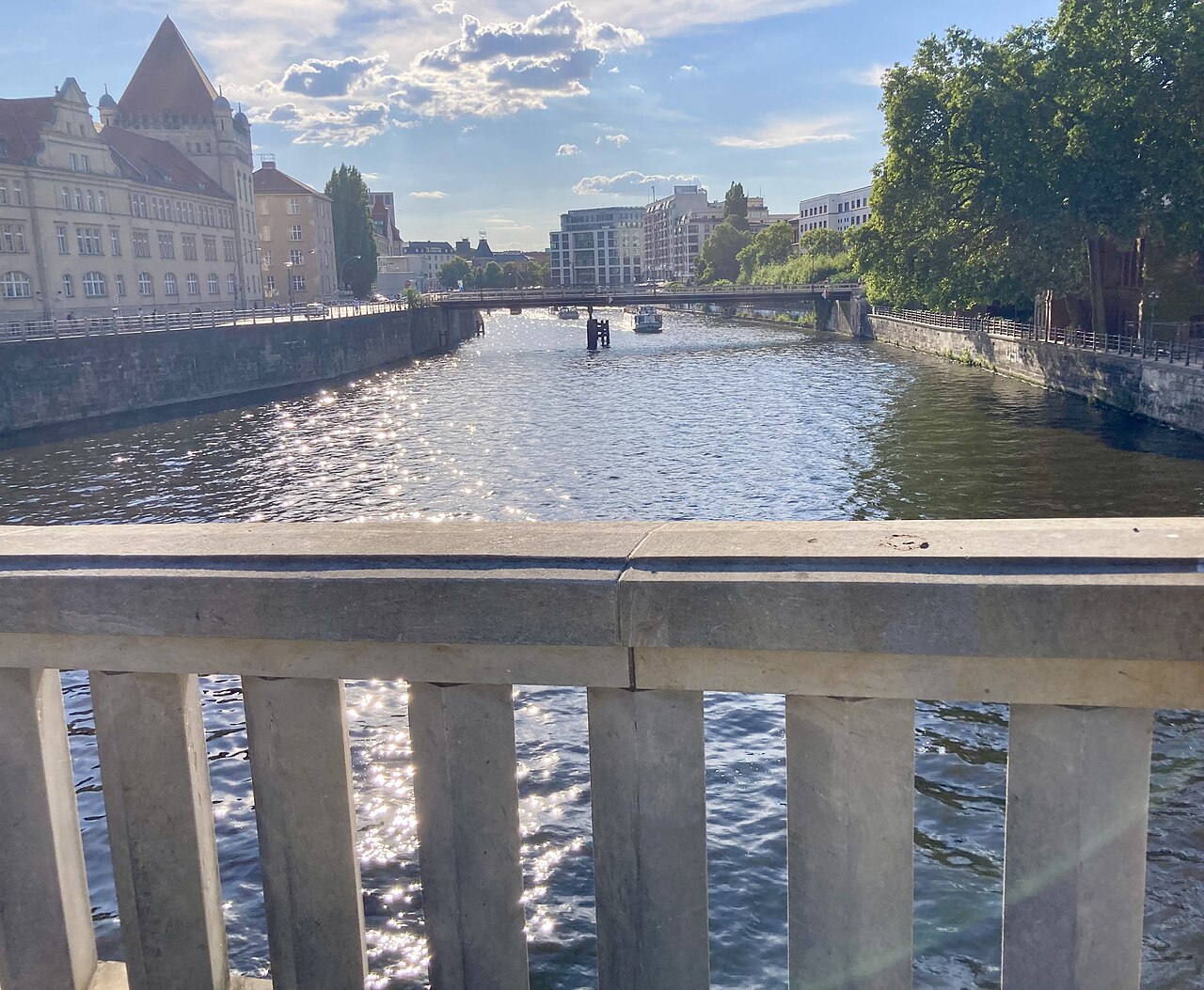
Photography policies within the Bode-Museum require verification at entry, as restrictions apply differentially across collection areas. Flash photography is typically prohibited to protect light-sensitive materials. Tripods and selfie sticks are generally restricted in museum interiors. The building's exterior and riverside setting offer unrestricted photographic opportunities, with the dome and colonnades particularly effective in morning and late afternoon light. The Monbijou Bridge provides classic framing of the museum against the Spree. Interior architectural photography may be permitted in public circulation spaces while prohibited in galleries. Commercial or professional photography requires advance arrangement with museum administration. Visitors should respect other observers when positioning for shots in confined gallery spaces.
Verificado em 2026-08-26
Perguntas comuns
Is the Bode-Museum included in the Museum Island UNESCO World Heritage site for Bode Museum in Berlin?
Yes, the Bode-Museum forms part of the Museum Island complex designated as UNESCO World Heritage.
Can I visit multiple museums on Museum Island with one ticket for Bode Museum in Berlin?
Museum Island day passes typically permit access to multiple institutions, though current terms require operator verification.
Does the Bode-Museum display works from the Gemäldegalerie for Bode Museum in Berlin?
Yes, a selection of Old Master paintings from the Gemäldegalerie is displayed within the Bode-Museum.
What are the three main collections at the Bode-Museum for Bode Museum in Berlin?
The sculpture and Byzantine art collection, the Münzkabinett coins and medals collection, and paintings from the Gemäldegalerie.
Is advance booking required to visit the Bode-Museum for Bode Museum in Berlin?
Advance booking requirements vary by season and capacity management; operator confirmation is necessary.
How do I reach the Bode-Museum using public transport for Bode Museum in Berlin?
S-Bahn stations Friedrichstraße and Hackescher Markt are nearby, with final approach on foot across the Monbijou Bridge.
Onde está
A carregar o mapa interativo…
Não foi possível carregar o mapa interativo.
Perto
Encaixe isso em um plano
Links externos
Última atualização:
Fonte: Colaboradores do OpenStreetMap, Wikidata ·