Atividade · Split
Split 3
Fotografia

- Hoje
- Horário não registado
- Duração da visita
- 2 horas
- Acessibilidade
- Não registrado
- Preço
- Não registrado
- Posição
- Imperdível
- Classificação
- Classificação 49 de 400
Sobre Split 3
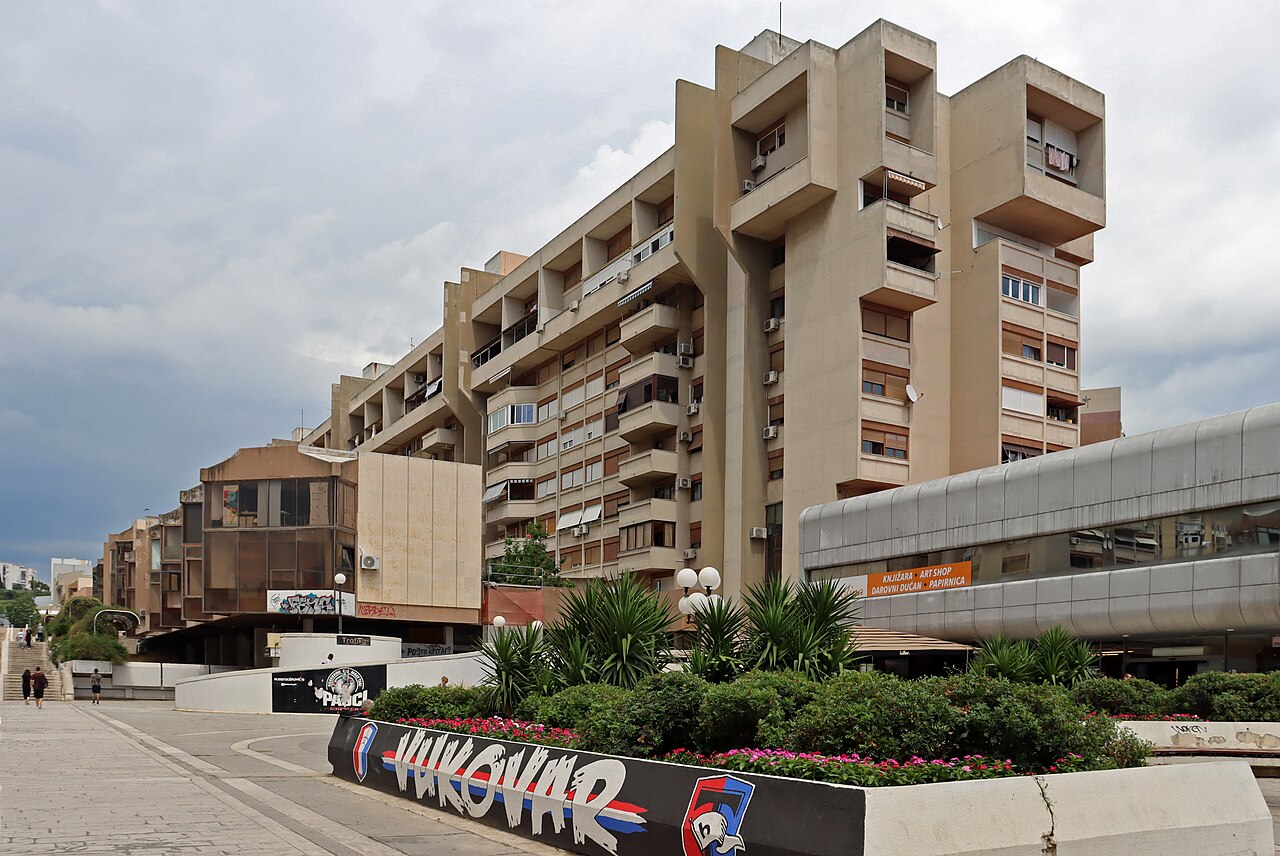
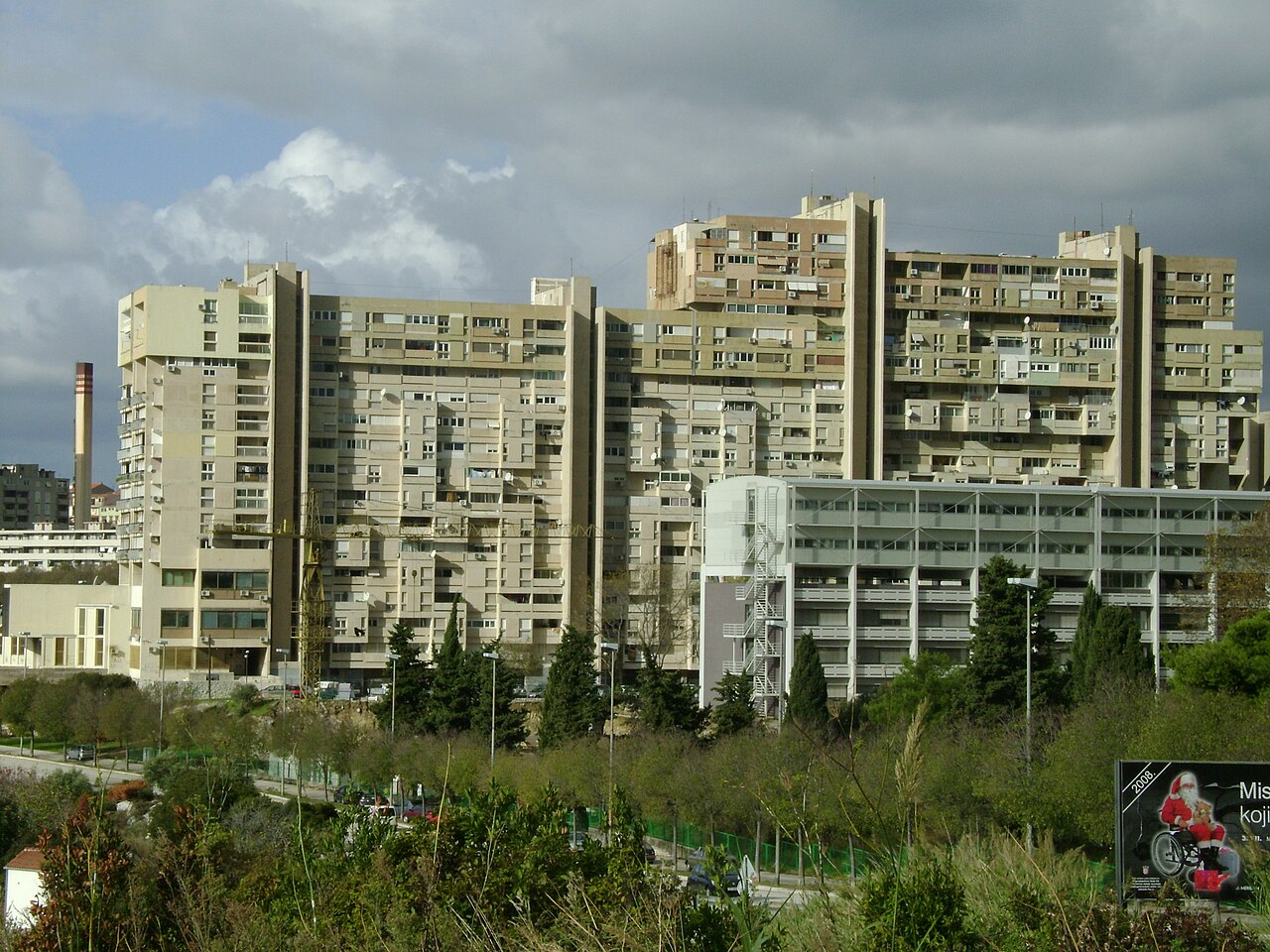
Split 3 is a large modernist residential district in the eastern part of Split, Croatia. Built primarily during the Yugoslav era, it represents one of the most significant examples of post-war urban planning in the region. The area was designed to accommodate the city's expanding population with prefabricated housing blocks arranged in a distinctive geometric pattern. Split 3 stands as a notable contrast to the ancient Diocletian's Palace in the city centre, offering visitors insight into socialist-era architecture and urban design philosophy that shaped Croatian cities in the mid-to-late twentieth century.
Verificado em 2026-08-26
O que há dentro
The district contains extensive residential complexes built using prefabricated panel construction typical of Yugoslav modernism. The layout features long parallel building rows interspersed with green spaces and pedestrian pathways. Notable elements include the geometric street pattern, communal areas, and the scale of planned infrastructure. The architecture reflects functionalist principles with repetitive facade treatments and standardized apartment designs. Public spaces include playgrounds, local shops, and service buildings integrated into the residential fabric. The area preserves an authentic atmosphere of planned socialist urbanism rarely maintained in such extensive form elsewhere in Croatia.
Verificado em 2026-08-26
Quanto tempo dedicar
Visitors typically spend one to two hours exploring Split 3, depending on architectural interest and walking pace. The district covers substantial ground, so a purposeful route through representative sections suffices for most travellers. Those with specialised interest in modernist urbanism or socialist architecture may extend to half a day, including photography and detailed observation of planning features. The experience complements rather than replaces central Split attractions. Combine with other eastern Split destinations for a fuller excursion. Morning or late afternoon visits avoid peak residential activity and provide better light for observing the built environment.
Verificado em 2026-08-26
Temporada e multidões
Split 3 is an open residential district accessible at all times without formal entry restrictions. Operator-confirmed hours or prices are Not recorded pending review. The area functions as everyday housing, so visitors should respect resident privacy and avoid intrusive behaviour. Early morning and evening hours show the district in active community use, while midday summer heat makes walking less comfortable. Spring and autumn offer moderate temperatures suitable for extended exploration. Winter visits remain possible though reduced vegetation limits appreciation of the planned green spaces integral to the original design concept.
Verificado em 2026-08-26
Ingressos
No admission fee applies to Split 3 as it remains functioning residential space. Operator-confirmed hours or prices are Not recorded pending review. Visitors enter freely through public streets and pathways. No tourist infrastructure such as visitor centres, guided tours, or interpretive materials operates within the district itself. Independent exploration is the only available mode of visitation. Travellers should budget only for transport to and from the area. Any future commercial developments or heritage designation might alter access arrangements, though current status preserves entirely open public passage through this urban environment.
Verificado em 2026-08-26

Chegando lá
Split 3 lies east of Split's historic centre, accessible by public bus from the main city area. Multiple bus lines serve the district with stops along major perimeter roads. Walking from the centre takes approximately thirty to forty minutes, though summer heat discourages this option. Taxis and ride services provide direct access to specific points within the district. Parking exists along streets for private vehicles. The location requires deliberate intention to visit, as it sits beyond typical tourist circulation patterns. Local enquiry confirms current bus numbers and routes, as these change periodically.
Verificado em 2026-08-26
O que observar
Visitors must remember Split 3 functions as private residential space, not tourist attraction. Photography of individuals, especially children, requires discretion and respect. Building interiors remain inaccessible without personal invitation. Some peripheral areas may show urban wear consistent with ageing infrastructure. Nighttime visits lack tourist-oriented lighting or security presence. Language barriers may complicate local interaction, as fewer residents speak English compared to central Split. Dogs and domestic activity occur in communal spaces. The repetitive architecture can disorient without clear navigation plan. Summer midday heat exposure poses health risk given limited shade along some circulation routes.
Verificado em 2026-08-26
Fotografia
Split 3 offers distinctive photographic subjects for architecture and urbanism enthusiasts. The geometric building alignments create strong linear compositions, particularly from elevated viewpoints or along main pedestrian spines. Early morning and late afternoon light emphasises facade texture and casting shadows between blocks. Wide-angle lenses capture the spatial relationships between built mass and open space. Colour variations in panel treatments and weathering provide textural interest. Aerial perspectives, where legally obtainable, reveal the planned layout's full geometric logic. Respectful distance from windows and balconies maintains resident privacy. The contrast between monumental scale and human inhabitation yields compelling documentary imagery.
Verificado em 2026-08-26
Perguntas comuns
Is Split 3 a formal tourist attraction for Split 3 Modernist District in Split?
No. Split 3 is functioning residential housing without visitor infrastructure, signage, or tourist services. Interest derives from architectural and urban planning significance rather than organised tourism provision.
Can you enter the buildings for Split 3 Modernist District in Split?
No. All structures remain private apartments. Interior access requires personal invitation from residents. Visitors must confine themselves to public streets, pathways, and communal external spaces.
Is Split 3 safe to visit for Split 3 Modernist District in Split?
The district presents normal urban conditions for a residential area. Standard visitor precautions apply. Nighttime exploration lacks dedicated security infrastructure, so daylight visits suit most travellers.
How does Split 3 compare to Diocletian's Palace for Split 3 Modernist District in Split?
The two represent radically different eras and philosophies. The Palace embodies Roman imperial architecture and medieval organic growth. Split 3 exemplifies twentieth-century modernist planning and socialist housing ideology. Together they illustrate Split's layered urban development.
Are guided tours available for Split 3 Modernist District in Split?
Not recorded. No established tour operators specifically serve Split 3. Architecture-focused private guides may include the district upon request. Independent exploration remains the standard approach.
What transport serves the area for Split 3 Modernist District in Split?
Public buses connect to central Split, with multiple lines serving perimeter roads. Walking, taxi, or private vehicle provide alternatives. Specific route numbers require local confirmation due to periodic service changes.
Onde está
A carregar o mapa interativo…
Não foi possível carregar o mapa interativo.
Perto
Encaixe isso em um plano
Links externos
Última atualização:
Fonte: Colaboradores do OpenStreetMap, Wikidata ·