Monumento histórico · Pequim
Beijing Ancient Observatory
北京古观象台
Fotografia


Horário de funcionamento
| Segunda-feira | 09:00 – 17:00 |
|---|---|
| Terça-feira | 09:00 – 17:00 |
| Quarta-feira | 09:00 – 17:00 |
| Quinta-feira | 09:00 – 17:00 |
| Sexta-feira | 09:00 – 17:00 |
| Sábado | 09:00 – 17:00 |
| Domingo | 09:00 – 17:00 |
Analisado a partir do horário de funcionamento do OpenStreetMap em 2026-08-26.
- Hoje
- Aberto hoje, 09:00 – 17:00
- Duração da visita
- 45 min
- Acessibilidade
- Não registrado
- Preço
- Não registrado
- Posição
- Imperdível · Património
- Classificação
- Classificação 45 de 10,828
Sobre Beijing Ancient Observatory
The Beijing Ancient Observatory is a historic astronomical site in Beijing, China. Its local name is 北京古观象台. The observatory holds significance as one of the oldest such institutions globally, with origins tracing to the Ming dynasty period. It served imperial astronomical purposes, including celestial observation and calendar compilation. The structure combines traditional Chinese architectural elements with scientific instrumentation. Its Wikidata entry is Q439299, and its OpenStreetMap node is 269693885. The site represents an important intersection of Chinese scientific heritage and cultural preservation efforts in the capital.
Verificado em 2026-08-28
O que há dentro
The observatory contains historic astronomical instruments displayed on its rooftop platform and interior exhibition spaces. These include armillary spheres, quadrants, and other celestial measurement devices, some reflecting Jesuit influence from the Qing period. The instruments demonstrate sophisticated metalworking and scientific collaboration between Chinese and European scholars. Indoor areas present supplementary exhibitions on Chinese astronomical history. The exact current inventory and display arrangements are Not recorded. Visitors should expect a compact site combining structural heritage with instrument collections. The observatory's elevated position provides contextual views of the surrounding urban environment.
Verificado em 2026-08-28


Quanto tempo dedicar
A typical visit to the Beijing Ancient Observatory requires approximately one to two hours, depending on individual interest in astronomical instruments and historical detail. The compact physical footprint suggests limited walking demands. Enthusiasts of scientific history or Chinese astronomy may extend their stay through careful examination of individual instruments and reading available interpretive materials. Casual visitors often complete the circuit more rapidly. No guided tour duration is Not recorded. Visitors should allocate flexible time, as personal engagement with the technical instruments varies considerably. Combining this site with nearby attractions is feasible given its central location.
Verificado em 2026-08-28
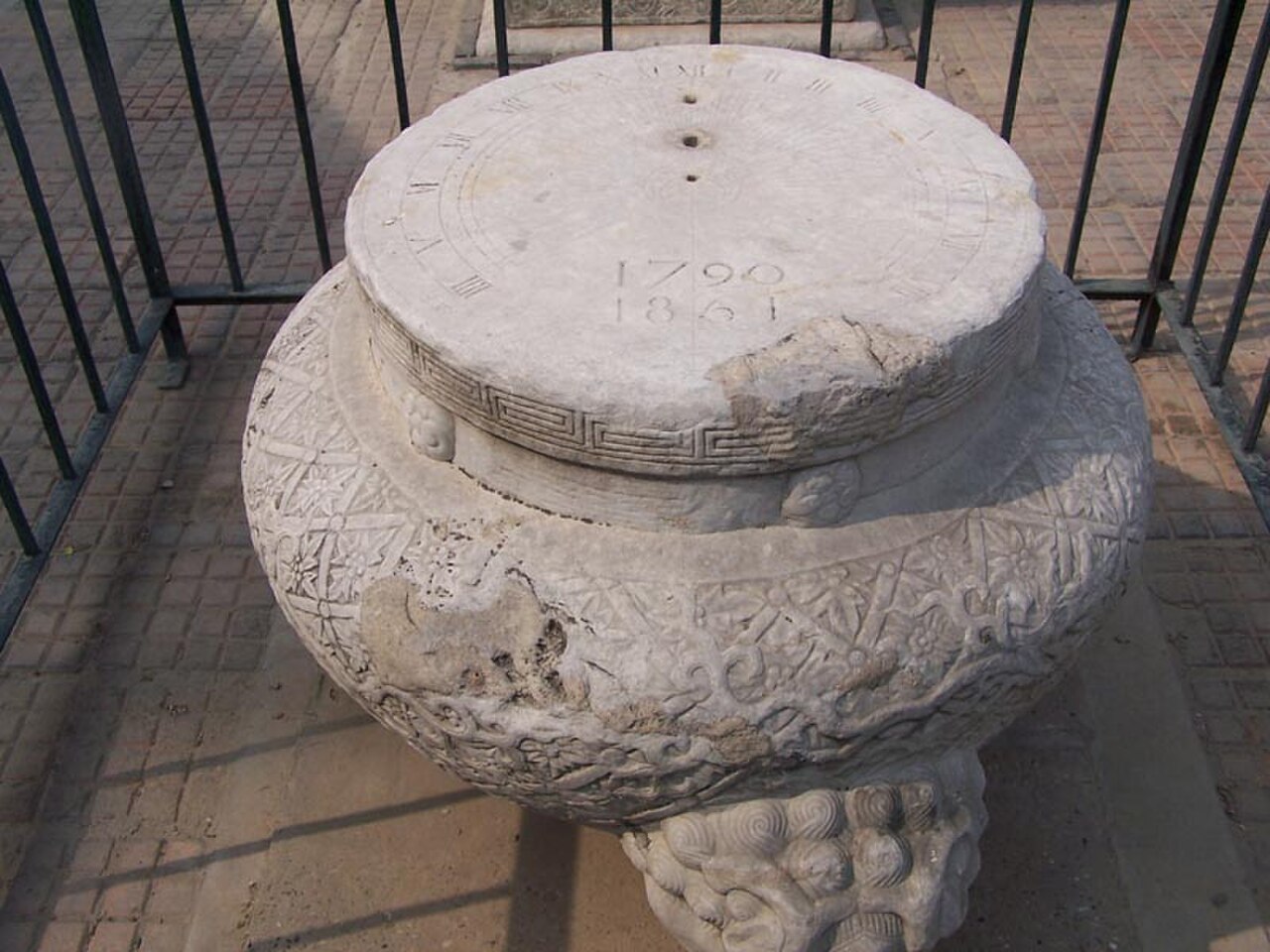

Temporada e multidões
Visitors should consult official sources or contact the site directly before planning their visit. Seasonal considerations for Beijing apply broadly: spring and autumn typically offer more comfortable temperatures for rooftop exposure and outdoor instrument viewing. Summer brings heat and potential rainfall, while winter can be cold and windy at elevation. The observatory's limited coverage means weather conditions directly affect visitor comfort. Crowd patterns at this specialized site are Not recorded. Advance verification of operational status is prudent, as Chinese museums occasionally adjust schedules for maintenance or holidays without extensive notice. Check the operator's own site for the travel date before relying on a schedule or fare.
Verificado em 2026-08-28
Ingressos
Visitors should verify current admission fees through official channels before arrival. The site's modest scale suggests pricing likely follows standard parameters for Beijing municipal heritage attractions, though this is speculative. Any discount categories—students, seniors, children—or combined ticketing arrangements are Not recorded. Payment methods accepted are Not recorded. Visitors should carry appropriate payment options and identification for potential concession verification. Free admission days or special promotional periods are Not recorded. Budget-conscious travelers should treat cost expectations as provisional until confirmed by authoritative sources at time of visit. Check the operator's own site for the travel date before relying on a schedule or fare.
Verificado em 2026-08-28
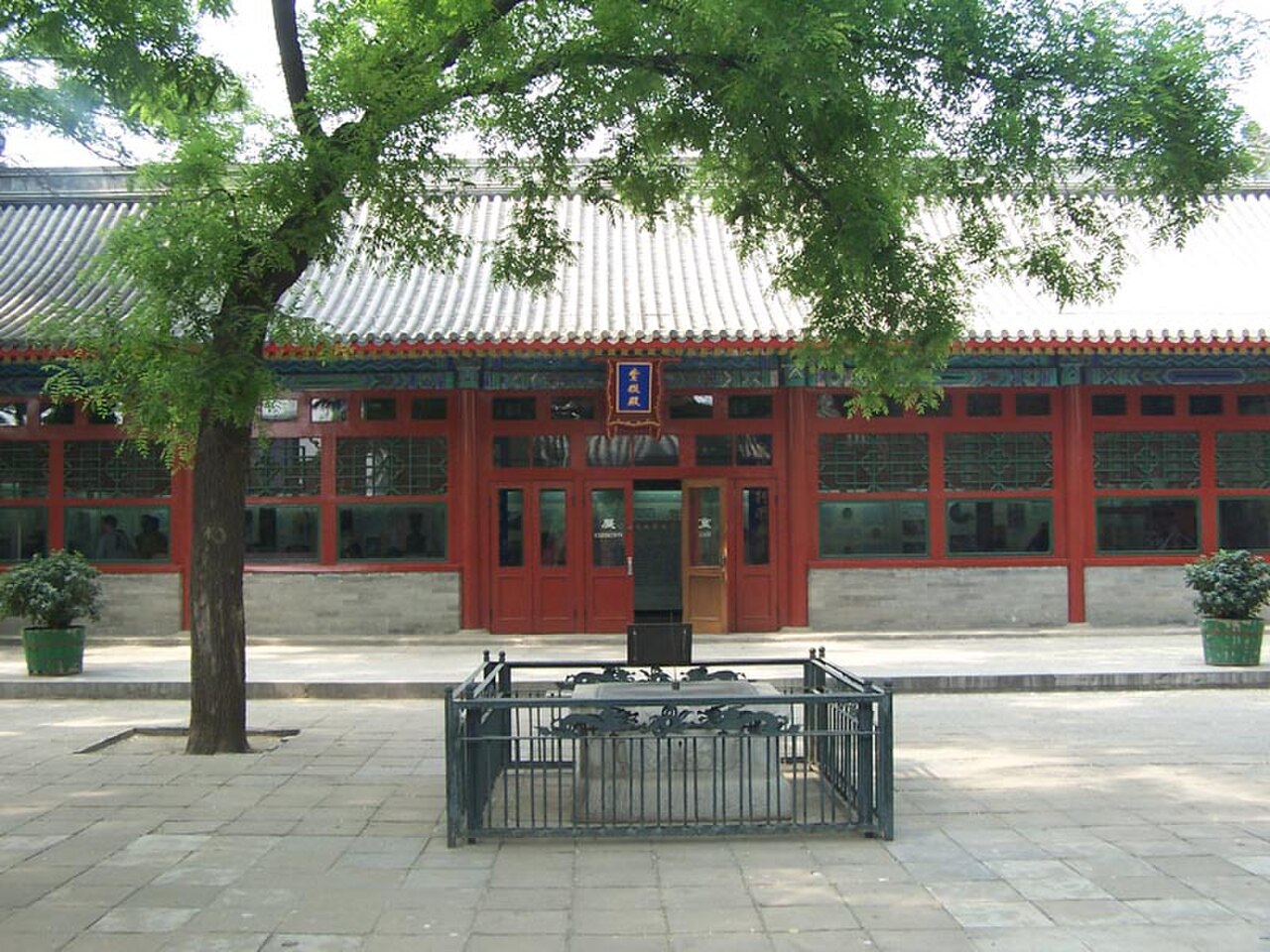

Chegando lá
The Beijing Ancient Observatory occupies a central location accessible through Beijing's public transportation network. The nearest subway stations and specific exit recommendations are Not recorded. Bus routes serving the immediate area are Not recorded. Taxi or ride-hailing services provide alternative access, though precise drop-off points and traffic patterns are Not recorded. Cycling or walking may be viable for visitors staying in central districts. Parking availability for private vehicles is Not recorded. Visitors should consult current mapping applications for optimized routing, as Beijing's transit system undergoes continuous expansion and modification. Allow margin for urban traffic conditions.
Verificado em 2026-08-28


O que observar
The rooftop instrument platform involves elevation changes that may present challenges; specific accessibility provisions are Not recorded. Historic instruments are displayed in open-air or semi-exposed conditions—weather protection is limited. Visitors should exercise caution regarding physical contact with aged metal structures and respect all barrier arrangements. Crowding on narrow walkways during peak visitation is a plausible concern given spatial constraints. Security screening typical of Chinese museums should be anticipated. English-language interpretive support is Not recorded. Photography policies are addressed separately. Visitors should maintain awareness of belongings in compact exhibition spaces and follow staff instructions.
Verificado em 2026-08-28
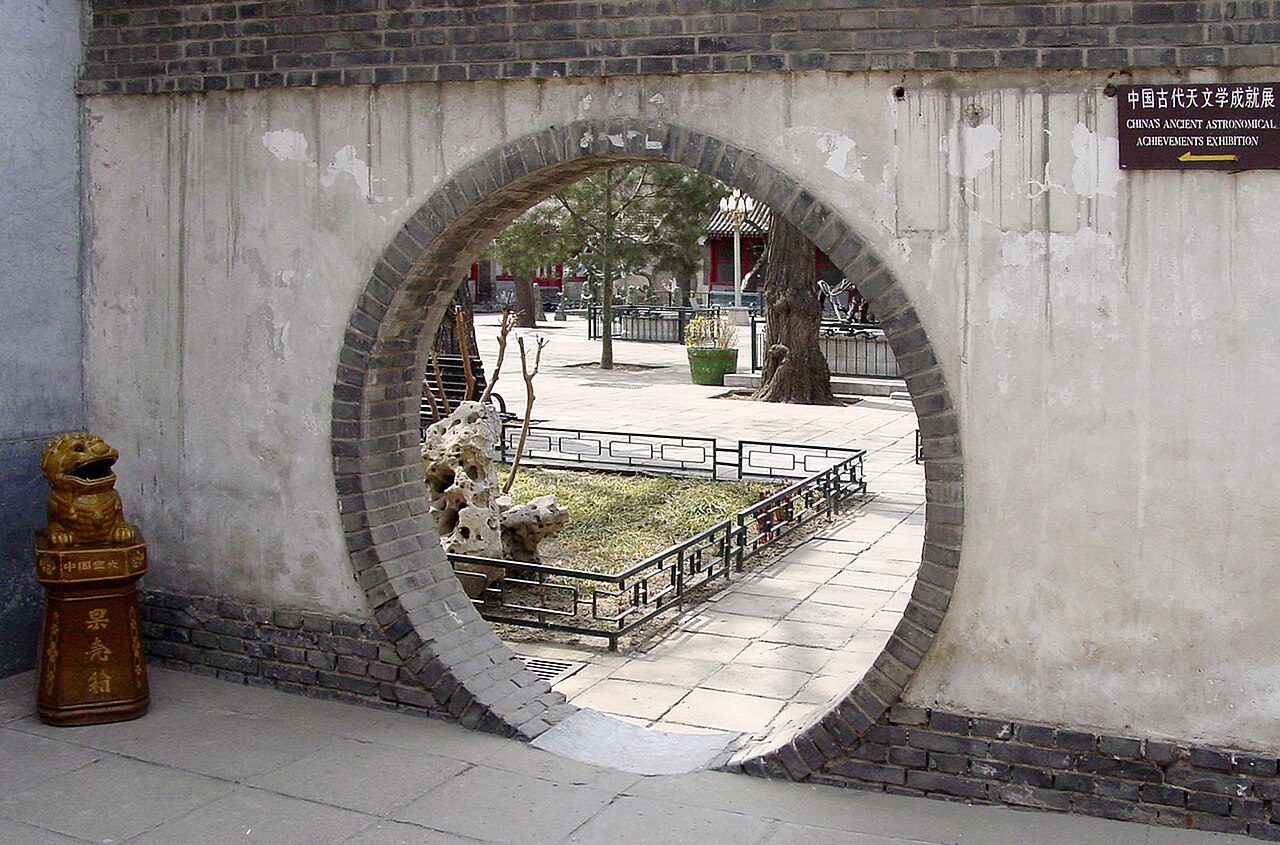

Fotografia
Photography policies at the Beijing Ancient Observatory are Not recorded. Visitors should observe posted signage and staff guidance regarding camera use, flash restrictions, and tripod allowances. The rooftop instruments present distinctive photographic subjects against urban backdrops, though lighting conditions vary seasonally and diurnally. Drone operation would require verification against Chinese aviation regulations and specific site policies, both Not recorded. Commercial or professional photography may require advance permission. Respect for other visitors' viewing experience should govern equipment use and positioning. When policy is unclear, conservative practice—minimal flash, no physical contact for positioning—represents prudent visitor judgment.
Verificado em 2026-08-28
Perguntas comuns
What are the opening hours for Beijing Ancient Observatory in Beijing?
Visitors must verify current schedules through official sources before visiting.
How much does admission cost for Beijing Ancient Observatory in Beijing?
Visitors should check official channels for current admission fees. Check the operator's own site for the travel date before relying on a schedule or fare.
Is the site wheelchair accessible for Beijing Ancient Observatory in Beijing?
Accessibility provisions are Not recorded. The rooftop platform involves elevation changes that may present challenges.
Are guided tours available in English for Beijing Ancient Observatory in Beijing?
English-language guided tour availability is Not recorded. Visitors should inquire directly with the site.
How do I get there by subway for Beijing Ancient Observatory in Beijing?
The nearest subway stations and specific exits are Not recorded. Visitors should consult current mapping applications for routing.
Can I take photographs inside for Beijing Ancient Observatory in Beijing?
Photography policies are Not recorded. Visitors should follow posted signage and staff guidance.
Onde está
A carregar o mapa interativo…
Não foi possível carregar o mapa interativo.
Perto
Encaixe isso em um plano
Links externos
Última atualização:
Fonte: Colaboradores do OpenStreetMap, Wikidata ·