Monumento histórico · Alsergrund, Vienna
Strudlhofstiege
Fotografia

Horário de funcionamento
| Segunda-feira | 00:00 – 23:59 |
|---|---|
| Terça-feira | 00:00 – 23:59 |
| Quarta-feira | 00:00 – 23:59 |
| Quinta-feira | 00:00 – 23:59 |
| Sexta-feira | 00:00 – 23:59 |
| Sábado | 00:00 – 23:59 |
| Domingo | 00:00 – 23:59 |
Analisado a partir do horário de funcionamento do OpenStreetMap em 2026-08-25.
Acesso e instalações
- Acesso sem etapas · Não disponível
Leia as tags de acesso do OpenStreetMap; qualquer coisa não listada não tem tag registrada.
Defina o tipo de grupo como família no planejador e os contratos da janela diária para cerca de três quartos de um dia individual.
- Hoje
- Aberto hoje, 00:00 – 23:59
- Duração da visita
- 10 min
- Acessibilidade
- Acesso com degraus
- Preço
- Não registrado
- Posição
- Notável · Património
- Classificação
- Classificação 4,971 de 5,640
Sobre Strudlhofstiege
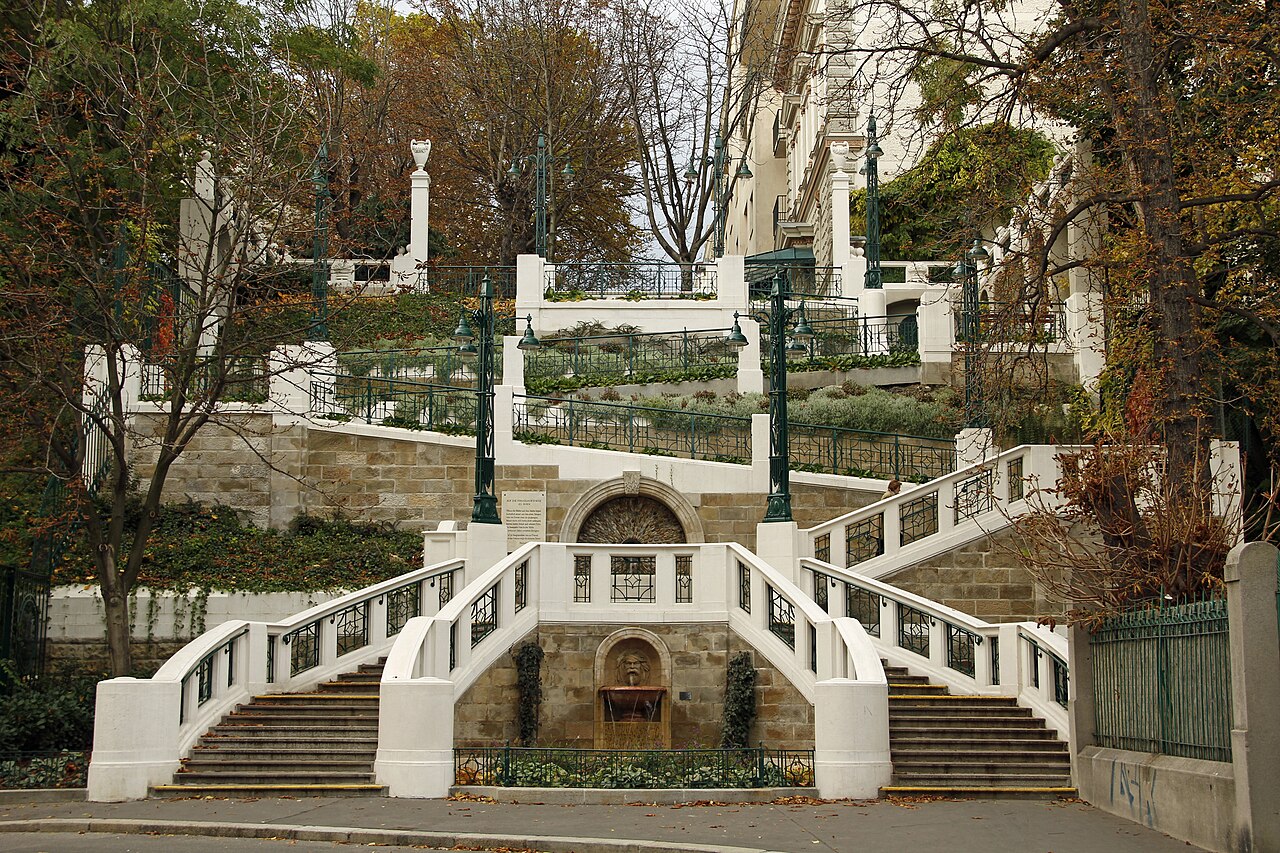
The Strudlhofstiege is a public outdoor Art Nouveau stairway in Alsergrund, connecting the upper street Strudlhofgasse to the lower Liechtensteinstrasse across a steep slope. It is free, always open and carries no ticket or interior, unlike the ticketed institutions elsewhere in this guide; it is a piece of street infrastructure rather than an attraction with hours. It was built in 1910 to a design by the engineer Theodor Jager, to mark the completion of the second Vienna mountain-spring water pipeline, the Zweite Wiener Hochquellenwasserleitung, and it takes its name from the seventeenth-century painter and riding-academy founder Peter Strudel, whose garden estate, the Strudlhof, once stood nearby. The stairway sits well outside the ring of ticketed institutions the rest of this guide covers, and that is deliberate: it is included as a free counterpart to them, the kind of place a visitor finds by walking Alsergrund rather than by booking a ticket in advance.
Verificado em 2026-08-24 · Fonte
O que há dentro
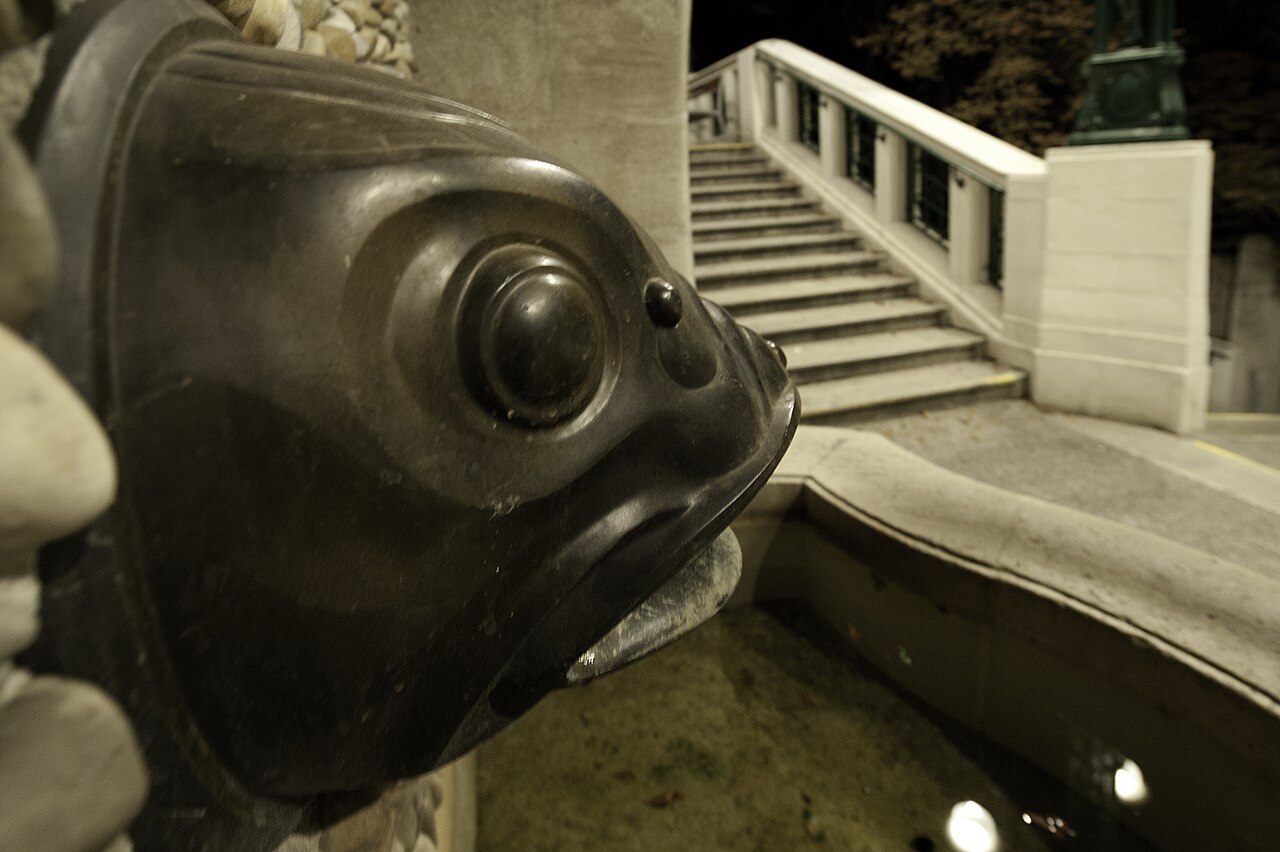
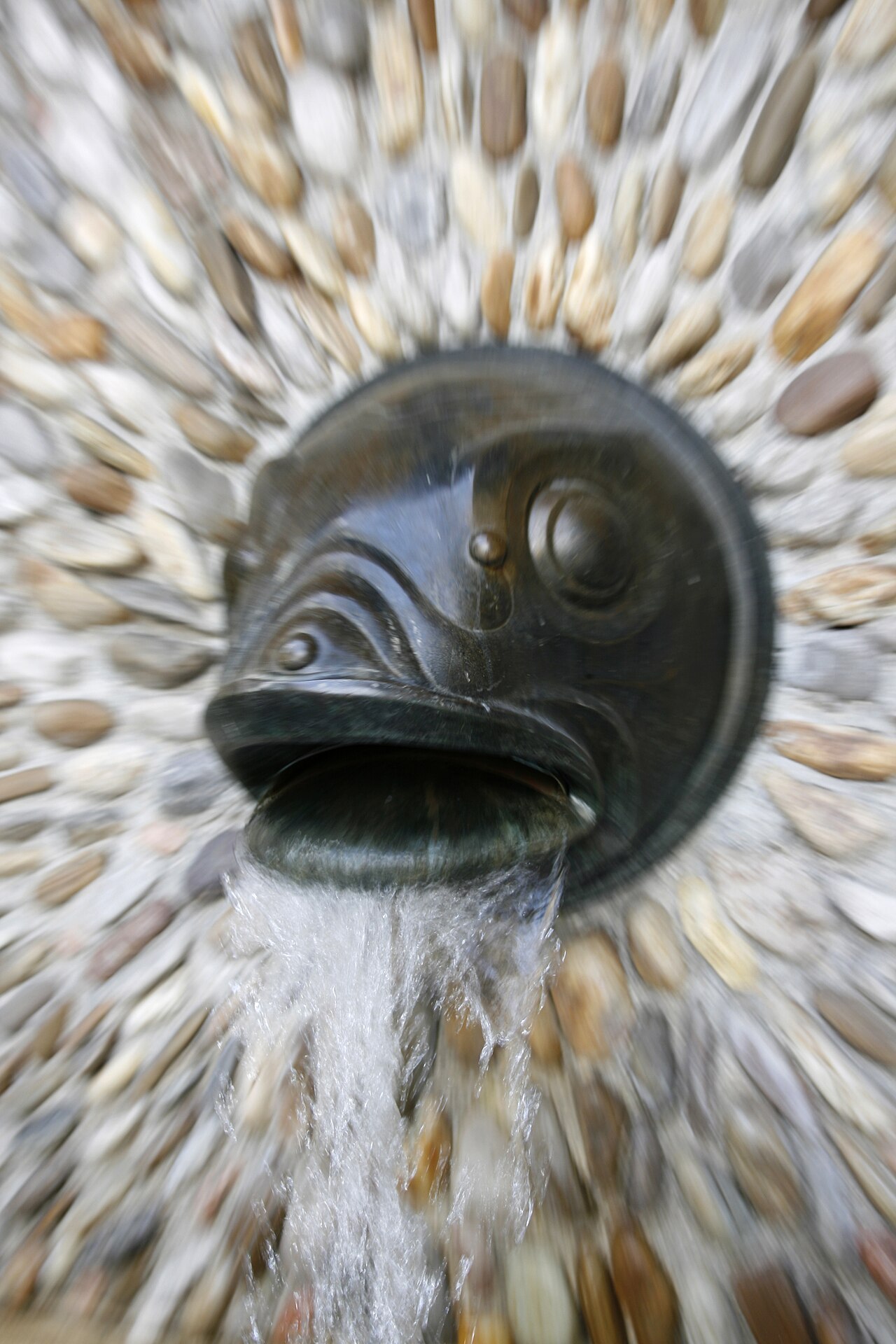
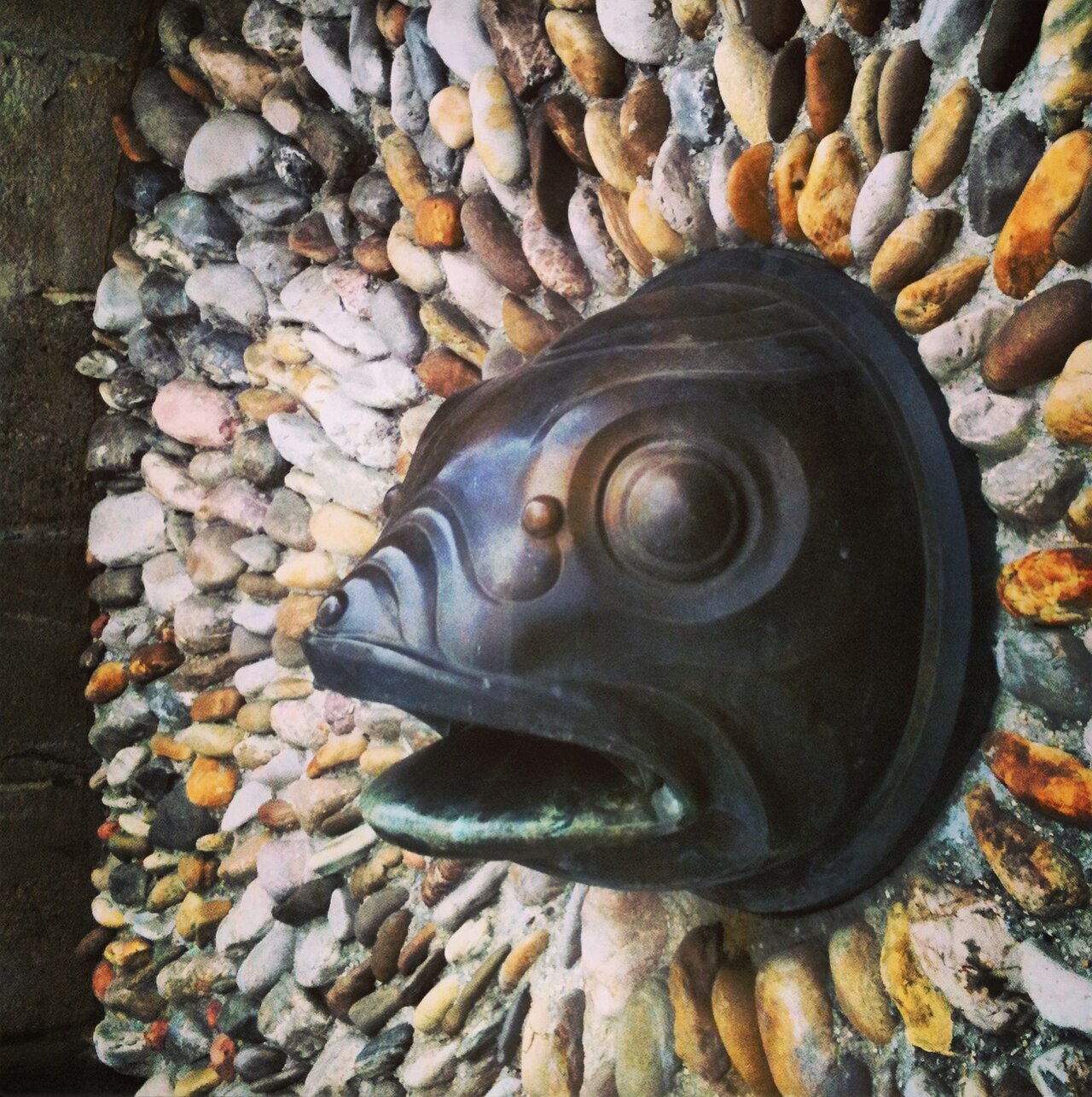
There is no interior; the stairway itself is the whole of the sight. Two flights of steps are joined by curved terraces and a landing with balustrades and small fountains, laid out in the flowing lines of Viennese Jugendstil rather than a plain utilitarian staircase. Wrought-iron lamp posts along the terraces light the stairway at night, and the surrounding retaining walls and planting are part of the same 1910 design rather than a later addition. A commemorative plaque near the upper landing marks the novelist Heimito von Doderer's connection to the site, added long after the stairway's original construction and easy to miss on a quick pass through.
Verificado em 2026-08-24 · Fonte

Quanto tempo dedicar
Five to ten minutes to walk the stairway itself; the site rewards stopping on the terraces rather than a quick pass through, since the design is meant to be looked at from its own landings as much as walked. It fits easily into a longer walk through Alsergrund rather than standing as a destination on its own for most visitors.
Verificado em 2026-08-24 · Fonte

Temporada e multidões
There is no opening schedule to plan around, since it is an outdoor public stairway with unrestricted access at any hour. Late afternoon light suits photography of the terraces, and the wrought-iron lamps make an evening visit worthwhile in a way most ticketed sights, closed by then, cannot offer. Spring and early summer add flowering planting along the terraces, though the stairway's structure and its views are the constant reason to visit across every season, not the planting.
Verificado em 2026-08-24 · Fonte
Ingressos
None. The Strudlhofstiege is a public street stairway with no admission fee, no ticket booth and no operator to buy from, at any time of day or year, unlike every ticketed institution named elsewhere in this guide. It belongs to the City of Vienna as ordinary public infrastructure, maintained the way any public street is maintained, not run or gated by a museum body.
Verificado em 2026-08-24 · Fonte


Chegando lá
The stairway sits between Strudlhofgasse and Liechtensteinstrasse in Alsergrund, a ten-minute walk from Schottentor station (U2) or from the Friedensbrucke station (U4, U6), and tram line D running along Liechtensteinstrasse stops close to its foot. Approaching from the upper Strudlhofgasse side means arriving level with the top landing and walking down; approaching from Liechtensteinstrasse means climbing the full flight from street level, which is the more dramatic way to first see the terraces open up overhead.
Verificado em 2026-08-24 · Fonte


O que observar
The steps and terraces are outdoors and can be slippery in wet weather or icy in winter, since they are ordinary public infrastructure rather than a maintained tourist site with grip surfaces added; take care on the stone in poor weather. It is a quiet residential stairway rather than a patrolled attraction, so the usual city-street awareness applies, particularly after dark. The terraces and landings are also a working part of the street network for residents walking between the two levels, so a visitor stopping to photograph the view should keep the width of the steps clear rather than blocking the path.
Verificado em 2026-08-24 · Fonte

Fotografia
Photography is unrestricted at any time, since it is a public street. The curved terrace with its lamp posts, photographed from the lower Liechtensteinstrasse landing looking up, is the classic angle; the same view lit at night by the original 1910 lamps is a different and often more atmospheric shot. The curved double staircase reads clearly from a distance across Liechtensteinstrasse as well, useful for a single frame that shows the full shape of the design rather than one flight at a time.
Verificado em 2026-08-24 · Fonte
Perguntas comuns
Is there an entry fee for the Strudlhofstiege?
No; it is a public outdoor stairway, free and open at all times, with no ticket or operator.
What was the Strudlhofstiege built to commemorate?
The completion of Vienna's second mountain-spring water pipeline, the Zweite Wiener Hochquellenwasserleitung, in 1910.
Where does the name Strudlhofstiege come from?
From the seventeenth-century painter Peter Strudel, whose garden estate, the Strudlhof, once stood near the site.
Who designed the stairway?
The engineer Theodor Jager, in the Viennese Jugendstil style, completed in 1910.
Is the Strudlhofstiege connected to a famous novel?
Yes; the Austrian writer Heimito von Doderer's 1951 novel Die Strudlhofstiege takes its title from the stairway and made it a literary landmark in Vienna.
How do I get to the Strudlhofstiege?
It is in Alsergrund between Strudlhofgasse and Liechtensteinstrasse, a ten-minute walk from Schottentor (U2).
Onde está
A carregar o mapa interativo…
Não foi possível carregar o mapa interativo.
Perto
Encaixe isso em um plano
Links externos
Última atualização:
Fonte: Colaboradores do OpenStreetMap, Wikidata ·