
.jpg)
.jpeg)
.jpg)
.jpg)

2 min walk
Igreja de São Roque
- Must see · Heritage site
- Place of worship
Language · 1 published
Nightlife venue · Lisbon
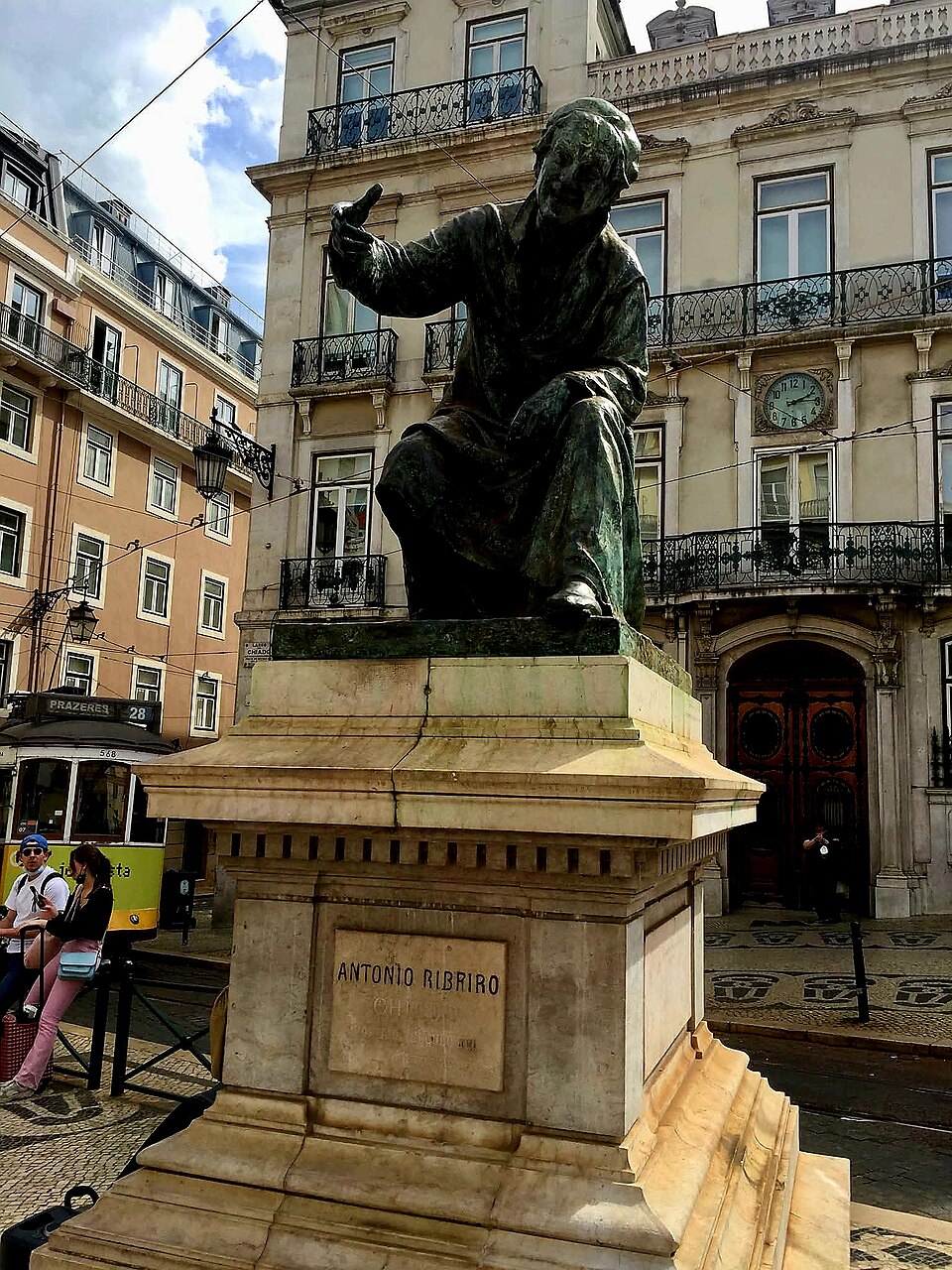
Chiado is a historic cultural quarter in central Lisbon, Portugal. It occupies a hilltop position between the Bairro Alto and Baixa districts. The area has functioned as Lisbon's literary and intellectual heart since the nineteenth century, hosting famous cafés where writers and artists gathered. The neighbourhood suffered significant damage from a fire in 1988 and underwent substantial reconstruction. Chiado combines commercial, residential, and cultural functions. Its streets contain theatres, bookshops, and traditional Portuguese retail establishments. The quarter represents an important layer of Lisbon's urban fabric and social history.
Checked 2026-08-26
Chiado contains notable establishments including the historic A Brasileira café, associated with the poet Fernando Pessoa. The Bertrand bookshop claims continuous operation since 1732. The São Carlos National Theatre and the Chiado Museum of contemporary art occupy prominent positions. Religious structures include the Church of Loreto and the Church of the Incarnation. Commercial streets feature Portuguese and international retail. The area contains architectural work by Álvaro Siza Vieira from the post-fire reconstruction period. Public squares provide gathering spaces. The neighbourhood's dense urban character preserves historical building forms alongside reconstructed elements.
Checked 2026-08-26
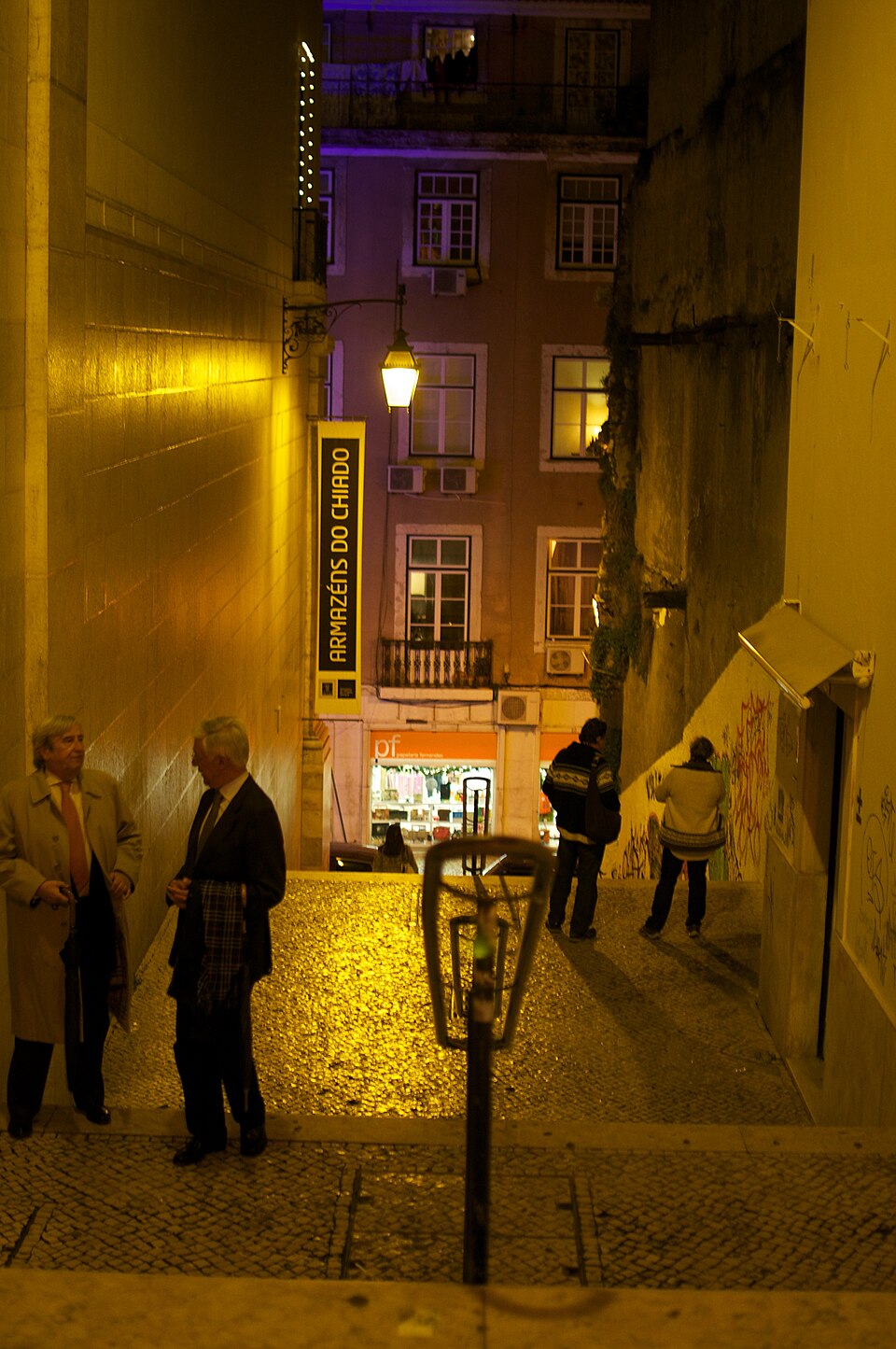
Visitors typically allocate two to four hours for exploring Chiado's streets and entering establishments of interest. A brief passage through main thoroughfares requires less time. Those intending to visit the Chiado Museum, attend theatre performances, or linger in historic cafés should extend their stay accordingly. The area rewards repeated visits at different periods. Evening visits differ substantially from daytime experiences as theatre audiences and dining patrons arrive. Integration with adjacent Bairro Alto or Baixa exploration extends required time. Individual pacing varies considerably based on commercial interest and cultural engagement preferences.
Checked 2026-08-26
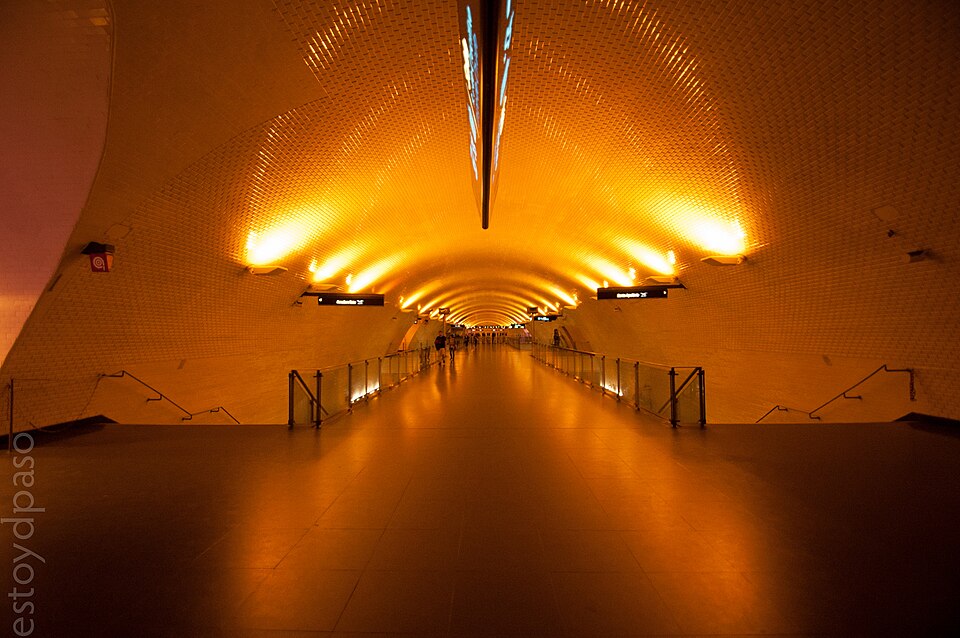
Chiado functions as a mixed-use neighbourhood accessible throughout the day and evening. Individual establishments maintain separate operating schedules. Theatrical performances occur at designated times. Museum visiting hours follow institutional patterns. Street-level activity persists during standard commercial hours. Evening hours bring different atmosphere through dining and entertainment venues. Operator-confirmed hours are Not recorded pending review. Visitors should consult specific venues for current schedules. Seasonal variations in daylight and weather affect street experience. Summer brings increased tourist density. Winter offers reduced congestion but some commercial reduction. Personal scheduling should account for intended specific activities rather than general neighbourhood access.
Checked 2026-08-26
Chiado as a public neighbourhood requires no general admission. Individual venues impose separate charges. The Chiado Museum collects entrance fees. Theatrical performances require ticket purchase. Historic cafés charge for consumables. Some religious structures permit donation-based entry. Operator-confirmed prices are Not recorded pending review. Visitors should verify current costs directly with intended destinations. Budget planning requires identification of specific attractions. Free exploration of streets and exterior architecture remains possible. Commercial establishments operate standard retail pricing. Cultural venue pricing may include concession categories. Advance booking for performances is advisable during peak demand periods.
Checked 2026-08-26
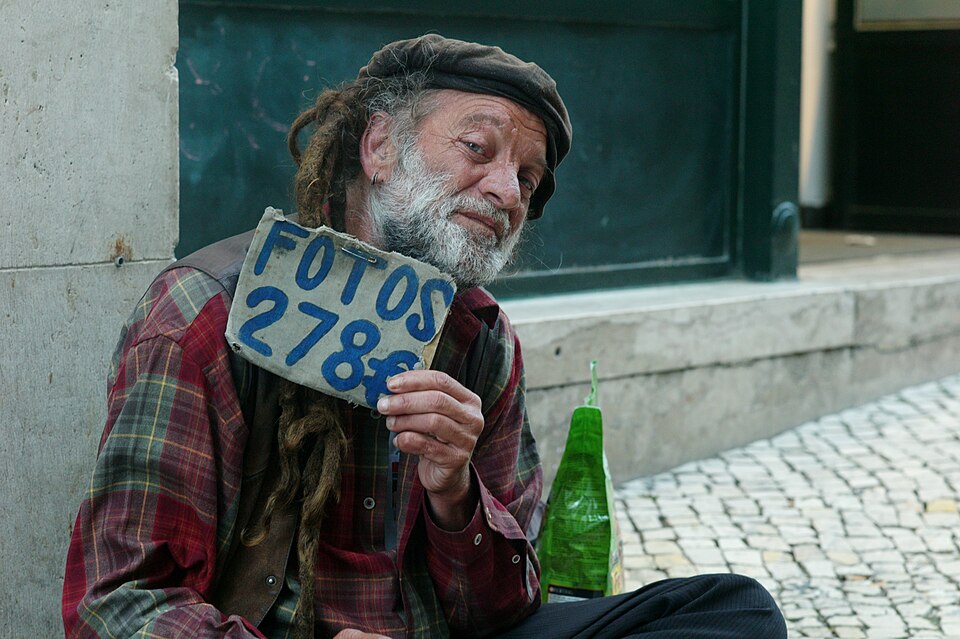
Chiado occupies central Lisbon with multiple access options. The Baixa-Chiado metro station serves the area with connections to both green and blue lines. Tram routes including the historic 28 pass through or near the quarter. Bus services connect to surrounding districts. Walking access from Rossio, the riverfront, or Bairro Alto involves navigating steep terrain and stairways. The Santa Justa lift provides vertical connection from Baixa to upper levels near Chiado. Taxis and ride services can access points within the neighbourhood though narrow streets may limit vehicle penetration. Cycling presents challenges from topography and cobblestones.
Checked 2026-08-26
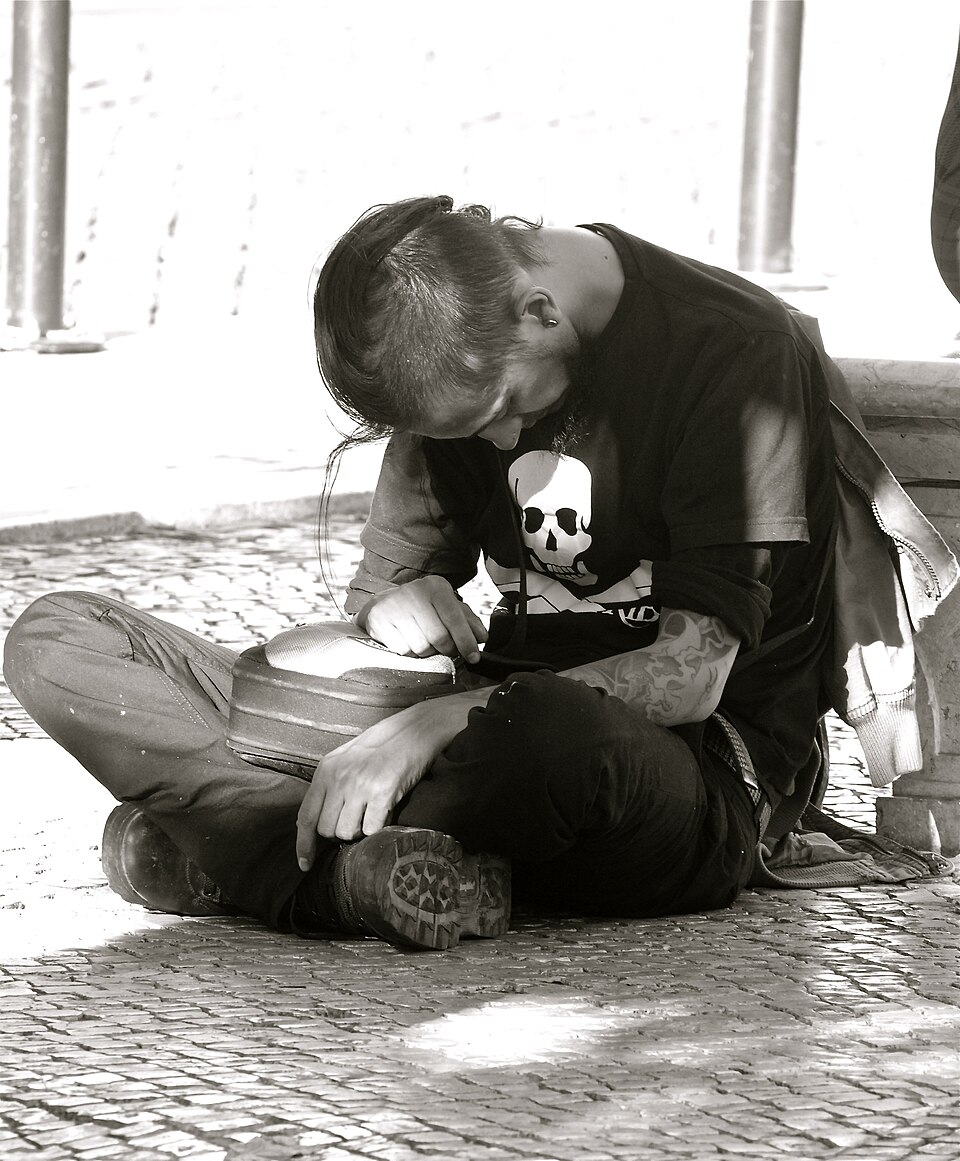
Chiado's steep streets and irregular paving demand appropriate footwear and attention to walking surfaces. The 1988 fire reconstruction created some architectural discontinuities visitors may notice. Tourist density concentrates around famous café locations and commercial streets. Pickpocketing risk elevates in crowded areas requiring standard urban precautions. Vehicle traffic mixes with pedestrian movement on narrower streets. Evening transitions between Chiado and Bairro Alto involve significant elevation change. Weather exposure is limited by the dense urban form though hilltop positions experience wind. Some historic establishments maintain traditional service patterns that may differ from international expectations. Accessibility presents challenges from stairs and uneven surfaces throughout.
Checked 2026-08-26
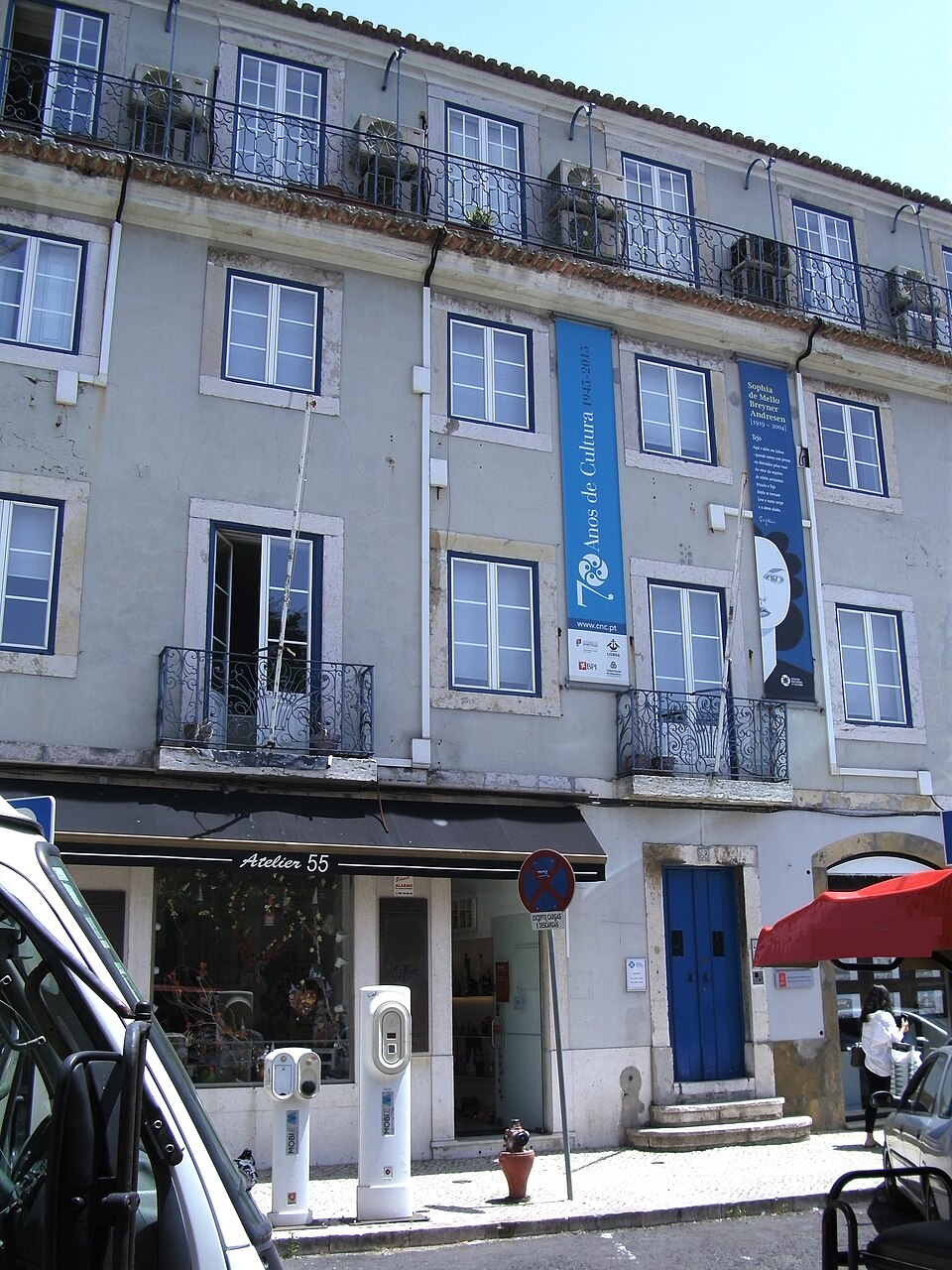
Chiado offers architectural photography subjects spanning multiple periods from historic structures to Siza Vieira's reconstruction work. The A Brasileira terrace with its Fernando Pessoa statue presents an iconic image. Street scenes capture Lisbon's urban character. Interior photography requires permission in private establishments and cultural venues. Theatres and museums typically restrict or prohibit photography during performances and in exhibition spaces. Rooftop perspectives from upper streets provide city views. Lighting conditions vary substantially between narrow shaded streets and open squares. Evening photography captures illuminated commercial fronts. Respect for private residential windows and individual privacy applies throughout this functioning neighbourhood.
Checked 2026-08-26
Chiado is a neighbourhood comprising multiple individual establishments, streets, and public spaces rather than a single ticketed attraction.
The bronze statue of Fernando Pessoa seated outside A Brasileira café is publicly visible on the terrace.
The Chiado Museum is a separate institution with its own admission requirements within the broader Chiado area.
Steep gradients, stairs, and irregular paving throughout Chiado present substantial accessibility challenges.
Chiado and Bairro Alto are adjacent districts with distinct characters; Chiado emphasizes literary and commercial history while Bairro Alto is known for nightlife.
A significant fire in 1988 damaged multiple buildings in Chiado, leading to extensive reconstruction including work by architect Álvaro Siza Vieira.
Loading the interactive map…
The interactive map could not be loaded.
Last updated:
Source: OpenStreetMap contributors ·