

도보 9분 · Beyoğlu
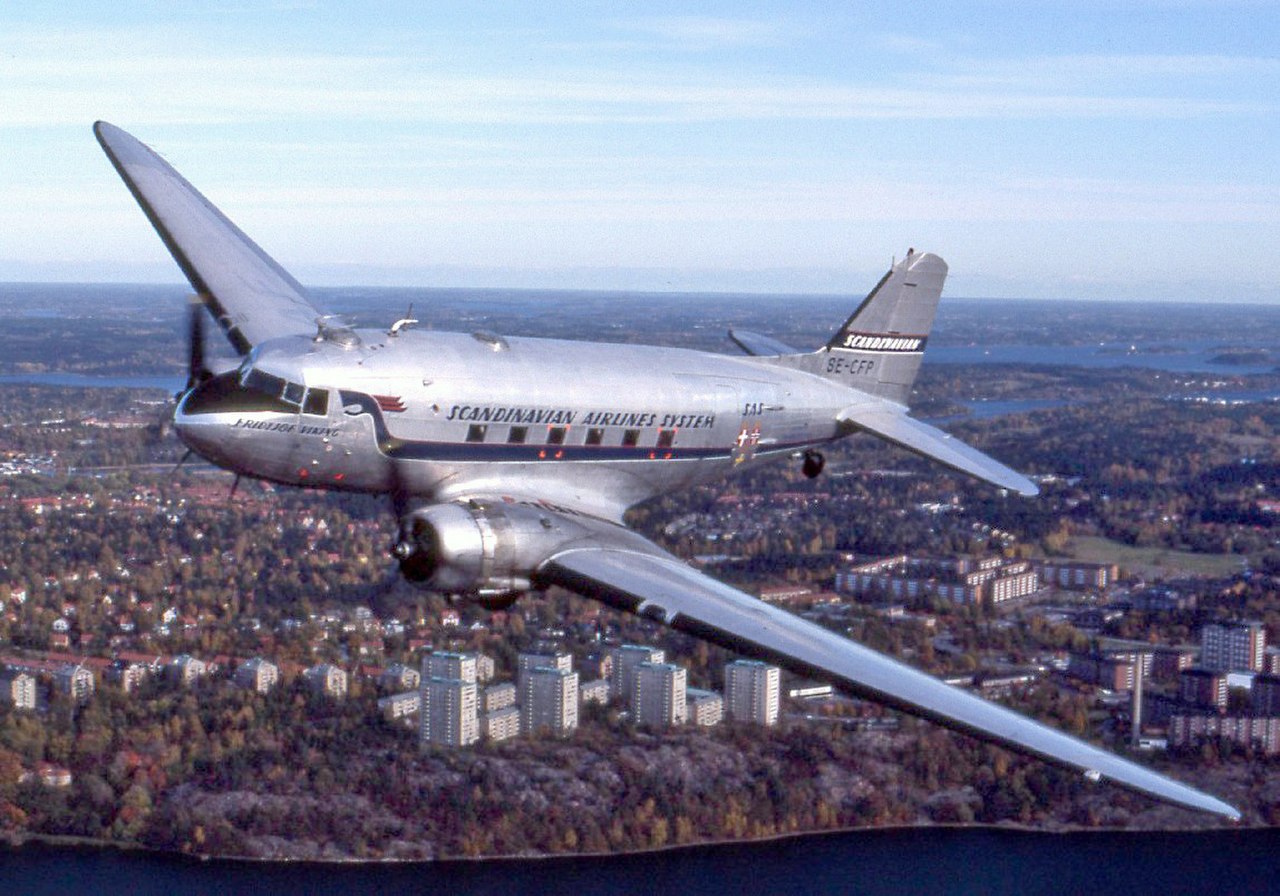
더글러스 DC-3
- 높음
- 예술 및 문화 시설
언어 · 11 게시됨
종교 시설 · Beyoğlu, 이스탄불
Aynalıkavak Kasrı (Milli Saraylar)
| 월요일 | 휴무 |
|---|---|
| 화요일 | 09:00 – 17:00 |
| 수요일 | 09:00 – 17:00 |
| 목요일 | 09:00 – 17:00 |
| 금요일 | 09:00 – 17:00 |
| 토요일 | 09:00 – 17:00 |
| 일요일 | 09:00 – 17:00 |
2026-08-24를 확인했습니다. · 소스
오스만 건축 양식으로 지어졌습니다.
Aynalıkavak Kasrı is the last surviving fragment of the Tersane Sarayı, which the Directorate of National Palaces describes as the fourth largest Ottoman palace in Istanbul. Everything else on the site is gone; the palace was demolished in 1802-1803, and this one pavilion above the Golden Horn at Hasköy is what remains.
The ground was a Byzantine imperial recreation area before it became an Ottoman garden, the Tersane Hasbahçesi, after the conquest of 1453, and it was gradually squeezed as the shipyard expanded. The first documented building here was a pavilion put up by Kaptan-ı Derya Halil Paşa for Ahmed I in late 1613. The kasır itself was built for the circumcision ceremony of Ahmed III's princes.
It passed to National Palaces in 1975 and opened as a museum-palace in 1984. Today it also houses the Aynalıkavak Mûsikî Müzesi, the museum of Turkish musical instruments.
2026-08-24를 확인했습니다. · 소스
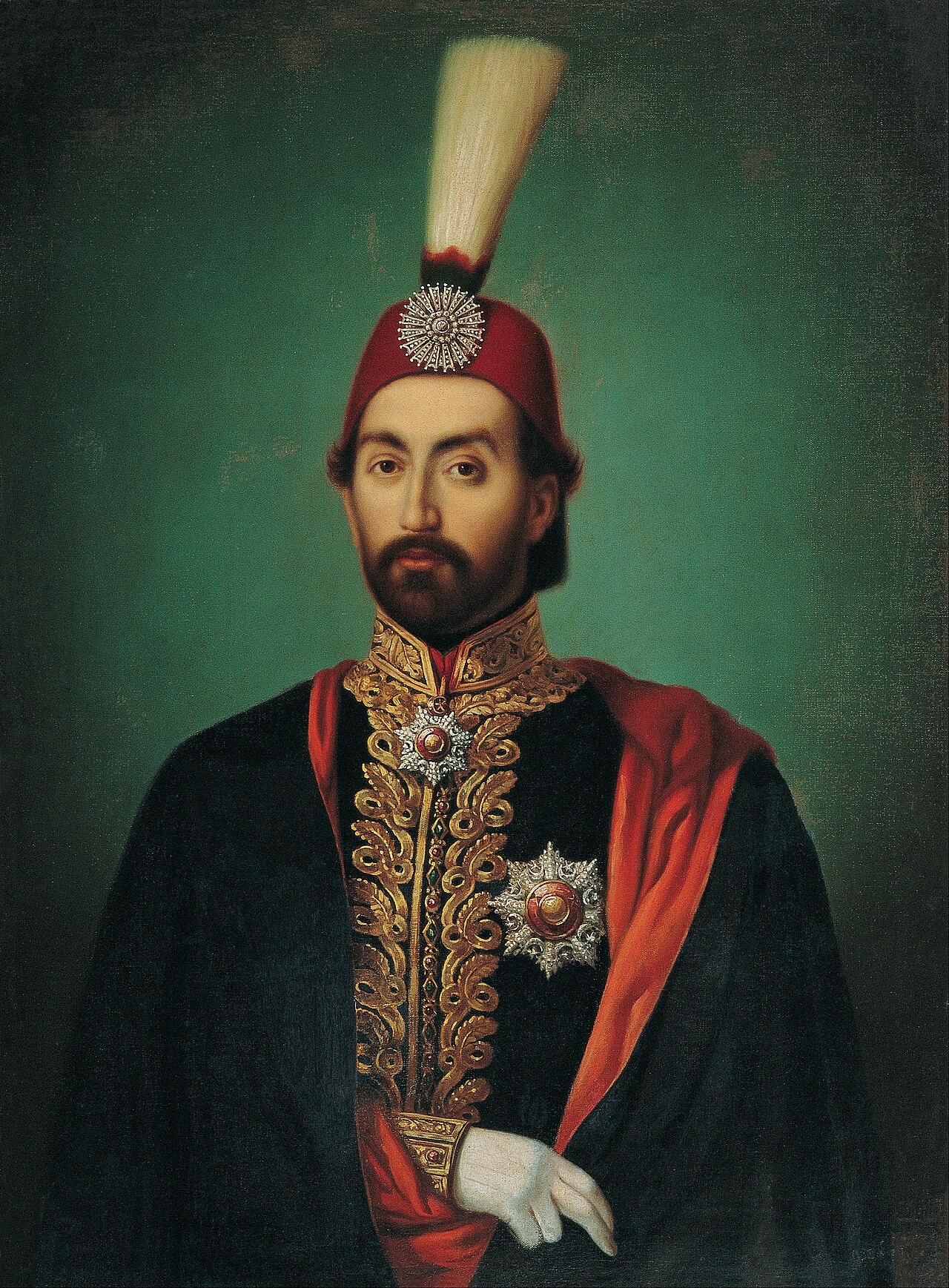
The pavilion presents a single-storey face to the land and a two-storey face to the water, and its interior follows a three-sofa plan around a double divanhane, traditional eighteenth-century Ottoman palace architecture rather than the nineteenth-century European manner of Dolmabahçe. Selim III (1789-1807) gave the building the appearance it has now, and Abdülmecid (1839-1861) renovated it afterwards.
The rooms to look for are the Arz Odası, the petition room, and the Hasoda, the private chamber. The decoration is calligraphic rather than pictorial: Selim III's gold-gilt tuğra, work by Yesârîzâde Efendi, a fifty-four-verse poem by Enderûnî Fâzıl Efendi in praise of the kasır, and a thirty-six-verse poem by Şeyh Galib celebrating Selim III.
The name comes from mirrors. After the Ottoman-Venetian war of 1715, Venetian diplomats presented Ahmed III with large and valuable mirrors, which were installed through the rooms and salons and gave the place its name.
Around the building is a terraced garden looking down the Golden Horn.
2026-08-24를 확인했습니다. · 소스
An hour, split roughly forty minutes indoors and twenty in the garden. This is a small number of rooms, not a palace circuit, and anyone arriving with Dolmabahçe expectations will be through it in half that time and will have missed the point.
The forty minutes indoors are spent on detail: the calligraphic panels, the tuğra, the divanhane, and the instrument cases of the music museum, which reward reading rather than glancing. The instruments are the reason to slow down, because this is one of very few places in the city where the material culture of Ottoman music is laid out.
The garden is not a bonus twenty minutes, it is part of the visit. The terraces above the water are where the pavilion's siting makes sense, and where you understand that this was once the sea-facing edge of something far larger.
2026-08-24를 확인했습니다.
The operator publishes Monday as the closed day and ticket-office hours of 09:00 to 17:00 on every other day of the week. Those are the ticket-office times as National Palaces labels them, not a separately published gate-closing time, so treat 17:00 as the end of the day rather than as the moment the last visitor is admitted.
The same page lists the date-based closures: closed at New Year and on the first day of Ramazan and of Kurban Bayramı, open on the other listed public holidays. No summer and winter split is published for this location.
Because almost nobody comes here, there is no crowd to plan around, a rare thing in this city. Morning is the better half of the day, since the light falls across the garden terraces and down the Golden Horn. Pair it with the Rahmi M. Koç Museum, which is a short walk along the same shore and closed on Mondays too.
2026-08-24를 확인했습니다. · 소스
The operator's tariff for the Aynalıkavak Mûsikî Müzesi is 280 TL for a foreign visitor and 80 TL for a domestic one, with a reduced rate of 50 TL and a garden-only ticket also at 50 TL.
Children under seven enter free. Students aged seven to twenty-five pay the reduced rate on production of a valid student card, and foreign students pay twice the reduced rate.
The garden-only ticket is worth knowing about: at 50 TL it gives the terraces and the view down the Golden Horn without the interior, which is a reasonable option if you are already at the Rahmi M. Koç Museum and short of time.
Tickets are sold at the gate during the published ticket-office hours of 09:00 to 17:00. Buying at 16:55 is possible and pointless, because it does not buy you an hour.
2026-08-24를 확인했습니다. · 소스
The pavilion is on Aynalı Kavak Caddesi in Hasköy, in the Beyoğlu district but on the Golden Horn rather than anywhere near İstiklal. The Golden Horn ferry line calls at Hasköy, and that is both the most pleasant approach and the one that shows you the pavilion's sea façade the way it was meant to be seen.
By land, buses run along the shore road through Hasköy and Kasımpaşa from the Eminönü direction. There is no metro or tram within walking distance.
From the shore the ground rises, and the kasır sits above the road behind its garden wall, screened by trees. It is genuinely easy to walk past, since there is no grand gate announcing it, so watch for the wall rather than for a building. The Rahmi M. Koç Museum is a short walk along the same waterfront, and the two together make a full and unusual day on the Golden Horn.
2026-08-24를 확인했습니다.
The published times are ticket-office times, 09:00 to 17:00, and the day ends at 17:00. Arriving at half past four gives you the garden and a hurried lap of the rooms, not the hour the place deserves.
Monday is closed, as at the Rahmi Koç Museum along the shore, so a Golden Horn day built around the two of them fails completely on a Monday. The date-based closures, New Year and the first day of Ramazan and of Kurban Bayramı, need checking against the calendar rather than the weekday table.
Manage your expectations about scale. This is one pavilion, not a palace, and the surroundings are a working shipyard district rather than a scenic waterfront. Visitors who arrive expecting Dolmabahçe in miniature leave disappointed; visitors who come for eighteenth-century interiors and a room of Ottoman instruments do not.
Note too that the admission tariff distinguishes foreign from domestic visitors, so the figure you see quoted elsewhere may not be the one you pay.
2026-08-24를 확인했습니다. · 소스
The elevation to photograph is the two-storey sea façade, and the place to shoot it from is the garden below it, where the terracing lets you get far enough back to take in both storeys with the Golden Horn behind. The single-storey land face is the plainer of the two and is best left to late afternoon, when the light comes onto it directly.
Indoors, the calligraphic panels and the tuğra need square-on framing and no flash; gilding throws a flash straight back and the gold goes white.
The instruments are the harder problem, because they sit behind glass. Shoot at an angle to the case rather than head-on, get the lens close to the glass to cut reflections, and turn the flash off entirely.
The garden terraces in morning light, with the water below, are the picture that explains why a sultan built here. Take that one first, before the sun climbs.
2026-08-24를 확인했습니다.
The operator publishes Monday as the closed day and ticket-office hours of 09:00 to 17:00 on every other day. It is also closed at New Year and on the first day of Ramazan and of Kurban Bayramı, and no summer and winter split is published for this location.
The operator's tariff for the Aynalıkavak Mûsikî Müzesi is 280 TL for a foreign visitor and 80 TL for a domestic one, with a reduced rate of 50 TL and a garden-only ticket at 50 TL. Under-sevens are free.
Yes. Students aged seven to twenty-five pay the reduced rate of 50 TL on production of a valid student card, and foreign students pay twice the reduced rate. Children under seven enter free.
The name comes from mirrors. After the Ottoman-Venetian war of 1715, Venetian diplomats presented Ahmed III with large and valuable mirrors, which were installed throughout the rooms and salons of the palace that once stood here.
A three-sofa plan around a double divanhane, the Arz Odası and the Hasoda, Selim III's gold-gilt tuğra, calligraphy by Yesârîzâde Efendi and long dedicatory poems by Enderûnî Fâzıl Efendi and Şeyh Galib, plus the Aynalıkavak museum of Turkish musical instruments and a terraced garden.
About an hour, roughly forty minutes indoors and twenty in the garden. The Rahmi M. Koç Museum is a short walk along the same Golden Horn shore and makes an obvious pairing, though both are closed on Mondays.
인터랙티브 지도를 불러오는 중…
인터랙티브 지도를 불러올 수 없습니다.

마지막 업데이트:
출처: OpenStreetMap 기여자, Wikidata ·