역사적 기념물 · Kyoto
永觀堂
사진

- 오늘
- 운영 시간 미등록
- 방문 기간
- 45분
- 접근성
- 미등록
- 가격
- 미등록
- 위상
- 꼭 봐야 함
- 순위
- 10,060 중 30 순위
永觀堂 소개
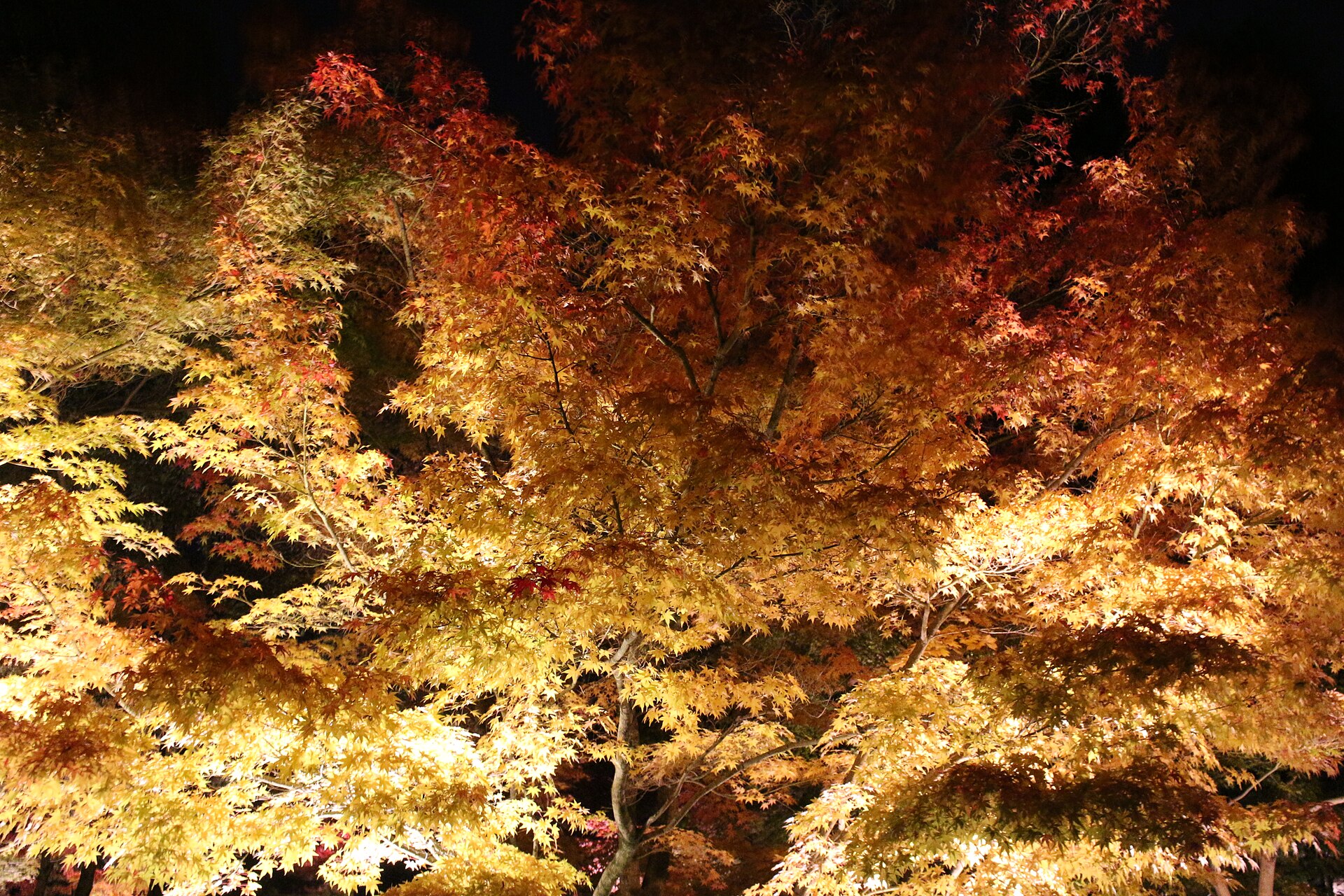
Eikan-do, formally known as Zenrin-ji, is a historic Buddhist temple in Kyoto's eastern Sakyo ward. The temple belongs to the Jodo sect of Japanese Buddhism and was founded in the ninth century. It is celebrated nationwide for its striking autumn foliage, particularly maple trees that illuminate the temple grounds with vivid crimson and gold hues. The temple complex sits against the forested slopes of Higashiyama, offering visitors a contemplative atmosphere distinct from Kyoto's more crowded attractions. Eikan-do functions as an active place of worship alongside its role as a cultural destination.
2026-08-26를 확인했습니다.
안에 무엇이 들어있나요?
The temple grounds encompass multiple halls, gardens, and walking paths. The Tahoto Pagoda stands as a notable structure within the complex, providing elevated views across the surrounding landscape. Various temple buildings display Buddhist imagery and artifacts. The grounds feature extensive maple plantings that transform seasonally. A pond garden contributes to the serene environment typical of Japanese temple design. The architecture reflects traditional Japanese construction methods. Visitors encounter stone pathways, wooden corridors, and landscaped greenery throughout the precinct. The arrangement of buildings follows historical temple layout conventions rather than contemporary visitor convenience.
2026-08-26를 확인했습니다.
권장 관람 시간
A thorough visit to Eikan-do typically requires between sixty and ninety minutes, though individual pacing varies considerably. The temple grounds extend across hillside terrain, necessitating walking along paths with moderate elevation changes. Photography enthusiasts and those seeking contemplative stillness may extend their stay beyond this estimate. During peak autumn foliage season, congestion affects movement speed through narrow corridors and popular viewpoints. Visitors should allocate additional buffer time during these periods. The experience rewards unhurried exploration rather than rushed passage through the various garden areas and structural spaces.
2026-08-26를 확인했습니다.
계절과 군중
Eikan-do is renowned for autumn foliage viewing, with peak color typically occurring in late November, though exact timing fluctuates annually based on weather conditions. Spring offers quieter visitation with greenery rather than dramatic color. Summer presents lush foliage but humid conditions. Winter visits encounter subdued scenery with minimal crowds. Evening illumination events sometimes extend viewing hours during autumn, though specific schedules vary yearly. Operator-confirmed hours are Not recorded pending review. Visitors should consult official temple communications before travel planning, as seasonal adjustments and special access arrangements apply throughout the year.
2026-08-26를 확인했습니다.
티켓
Admission to Eikan-do requires payment of an entrance fee at the temple gate. Separate charges may apply for special illumination events or seasonal exhibitions. The temple does not participate in combined ticketing schemes common at some Kyoto religious sites. Cash payment in Japanese yen is standard practice. Credit card acceptance cannot be assumed. Group rates or discounts for specific categories are not documented in available sources. Operator-confirmed prices are Not recorded pending review. Visitors should carry sufficient cash and verify current admission costs through official channels immediately before visiting, as temple fees adjust periodically.
2026-08-26를 확인했습니다.
가는 방법
Eikan-do occupies a location in eastern Kyoto accessible via public transportation with subsequent walking required. The nearest train stations include Keage on the Tozai subway line and Nanzenji-Eikando-michi bus stop served by city bus routes. From either access point, visitors walk uphill through residential and temple precinct areas. The approach lacks vehicle through-access, preserving atmospheric approach qualities. Taxis can approach closer but must terminate at road endpoints. Cycling presents challenges due to hillside gradients. Signage in Japanese and English assists navigation from transit points. Morning arrival improves parking availability for those arriving by private vehicle.
2026-08-26를 확인했습니다.
주의할 점
The temple grounds feature uneven stone pathways, wooden stairs, and hillside gradients that demand appropriate footwear and physical caution. Autumn peak season brings extreme crowding with limited personal space in narrow corridors and popular photography locations. Weather conditions affect path safety, particularly following rainfall. The active religious status requires respectful behavior including silence in worship spaces and photography restrictions in designated areas. No food or beverage consumption is appropriate within temple structures. Limited shelter exists during sudden weather changes. Visitor facilities including restrooms and rest areas are basic. Mobile telephone reception varies across the hillside terrain.
2026-08-26를 확인했습니다.
사진
Photography opportunities at Eikan-do concentrate on architectural details, garden compositions, and seasonal foliage displays. The Tahoto Pagoda provides elevated vantage points. Maple trees frame traditional structures throughout the grounds. Morning and late afternoon light quality enhances autumn color saturation. Tripod use is typically restricted or prohibited. Interior photography of Buddhist images is generally forbidden. Peak autumn season complicates unobstructed composition due to visitor density. Overcast conditions reduce harsh shadows for garden photography. The pond offers reflective possibilities. Visitors should observe posted restrictions and refrain from disruptive positioning for personal shots that impede others' passage through confined spaces.
2026-08-26를 확인했습니다.
일반적인 질문
Is Eikan-do suitable for visitors with limited mobility for Eikan-do in Kyoto?
The temple grounds involve hillside walking, stairs, and uneven surfaces that present challenges. Visitors with mobility limitations should assess personal capabilities against these terrain features.
Can Eikan-do be combined with nearby attractions in one day for Eikan-do in Kyoto?
The eastern Kyoto location permits sequential visits to Nanzen-ji and Philosopher's Path areas, though walking distances and time requirements should be realistically calculated.
Are English information materials available at Eikan-do for Eikan-do in Kyoto?
English signage assists with basic navigation, though detailed interpretive materials in English are not extensively documented in available sources.
Does Eikan-do offer food or dining facilities for Eikan-do in Kyoto?
On-site dining options are not recorded. Visitors should plan accordingly, with numerous establishments located in surrounding neighborhoods at varying distances.
Is advance reservation required for Eikan-do visits for Eikan-do in Kyoto?
Standard admission does not require reservation. Special illumination events or group arrangements may involve different procedures not confirmed in available sources.
What distinguishes Eikan-do from other Kyoto autumn foliage sites for Eikan-do in Kyoto?
The temple's extensive maple plantings, hillside setting, and active religious atmosphere create a specific character, though individual preferences determine relative appeal against alternatives.
그것이 어디에 있는가
인터랙티브 지도를 불러오는 중…
인터랙티브 지도를 불러올 수 없습니다.
주변
계획에 맞추세요
외부 링크
미기록 아직 확인된 출처에서 기록되지 않았습니다.마지막 업데이트:
출처: OpenStreetMap 기여자 ·