종교 시설 · 도쿄도
Meiji Jingū
本殿
사진

영업시간
| 월요일 | 09:00 – 16:30 |
|---|---|
| 화요일 | 09:00 – 16:30 |
| 수요일 | 09:00 – 16:30 |
| 목요일 | 09:00 – 16:30 |
| 금요일 | 09:00 – 16:30 |
| 토요일 | 09:00 – 16:30 |
| 일요일 | 09:00 – 16:30 |
또한 기록됨: 09:00 – 16:00
2026-08-26의 OpenStreetMap 영업 시간에서 구문 분석되었습니다.
- 오늘
- 오늘 영업 시작, 09:00 – 16:30
- 방문 기간
- 30분
- 접근성
- 미등록
- 가격
- 미등록
- 위상
- 꼭 봐야 함 · 문화유산
- 순위
- 22,493 중 55 순위
Meiji Jingū 소개
Meiji Jingū is a Shinto shrine in Tokyo dedicated to the deified spirits of Emperor Meiji and Empress Shōken. The shrine occupies a forested area within the dense metropolis. It was established in 1920 following the emperor's death in 1912. The current main structures were rebuilt after destruction in World War II. The shrine complex serves as a major religious and ceremonial site, hosting numerous festivals and rituals throughout the year. It draws millions of visitors annually for worship, tourism, and cultural events including traditional weddings.
2026-08-28를 확인했습니다.
안에 무엇이 들어있나요?
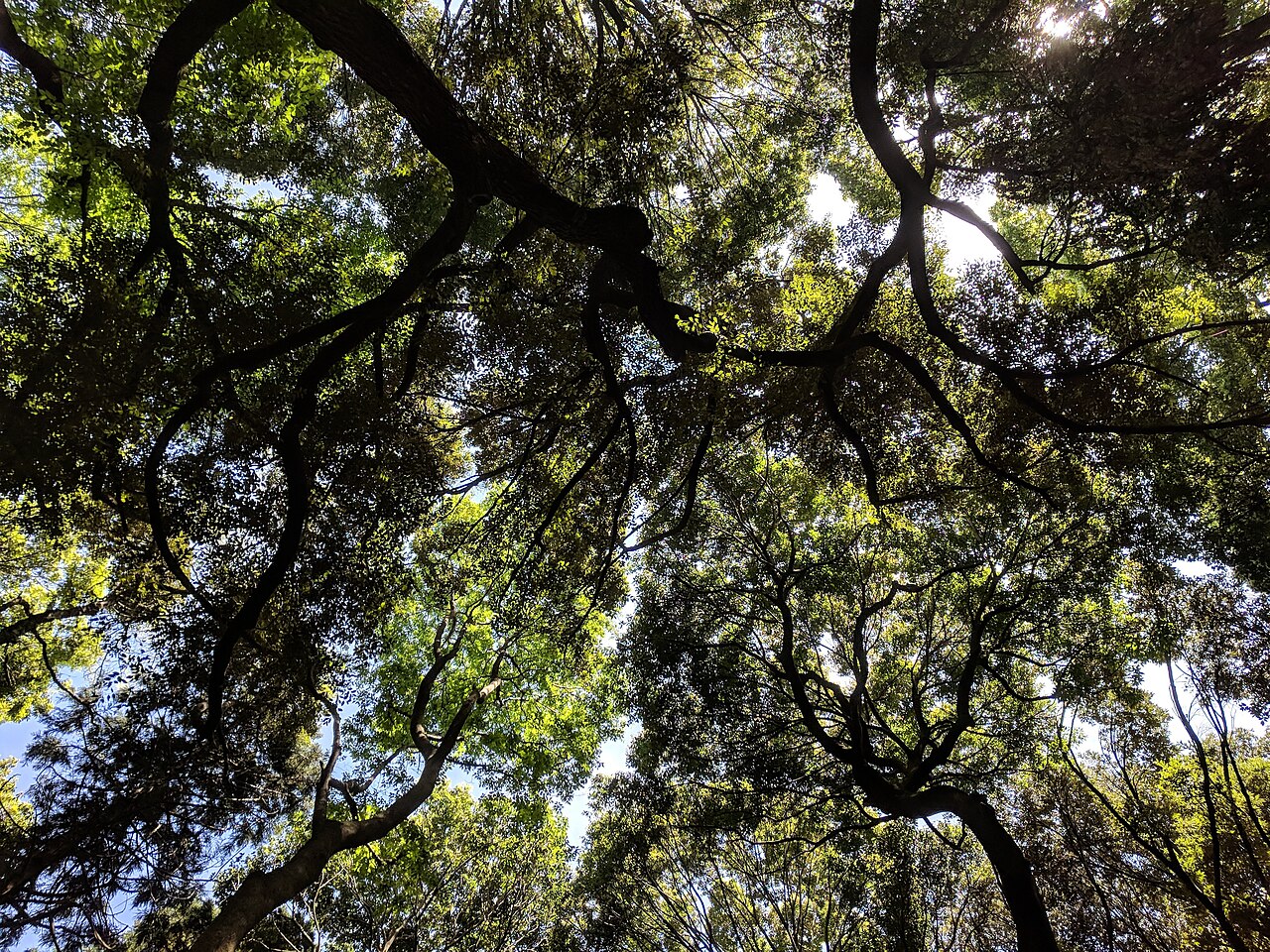
The shrine grounds contain multiple structures and features. The main sanctuary, or honden, stands at the innermost part of the complex. The approach passes through massive torii gates constructed from Japanese cypress. A treasure museum exists on the grounds displaying items related to the imperial couple. The surrounding forest consists of approximately 120,000 trees donated from across Japan. Additional subordinate shrines and purification fountains are present. The architecture follows traditional Shinto design principles using natural materials and understated aesthetics rather than ornate decoration.
2026-08-28를 확인했습니다.
권장 관람 시간
Visitors typically spend between thirty minutes and two hours exploring the shrine grounds depending on interest level. A direct walk from the first torii gate to the main sanctuary and return takes roughly forty minutes at moderate pace. Those wishing to visit the treasure museum or participate in rituals should allocate additional time. The expansive forest setting encourages slower contemplative movement. Crowd conditions vary significantly, affecting actual duration. Early morning visits permit quicker passage through the approach path before peak visitor arrival. Meiji Jingū also earns time in a tokyo itinerary because its setting and role differ from the surrounding ranked stops. Compare the place with the nearby streets before deciding how it fits the day.
2026-08-28를 확인했습니다.
계절과 군중
The shrine operates throughout the year. Seasonal variations affect visitor experience significantly. Spring brings cherry blossom viewing possibilities in the surrounding forest. Summer hosts the grand festival on November 3 commemorating Emperor Meiji. Autumn foliage attracts photographers. New Year period sees enormous crowds for hatsumōde, the first shrine visit of the year. Weather conditions should be considered as much of the approach is exposed. Visitors should verify current access times before planning their trip to avoid disappointment. Check the operator's own site for the travel date before relying on a schedule or fare.
2026-08-28를 확인했습니다.
티켓
Entry to the main shrine grounds is free of charge. The treasure museum and certain special areas may require separate admission fees. Donation boxes are positioned for voluntary contributions toward shrine maintenance. No mandatory payment exists for standard worship or passage through the grounds. Seasonal events or special exhibitions might implement temporary ticketing arrangements. Visitors should carry cash for voluntary offerings, omamori charms, or goshuin stamps if desired. Credit card acceptance cannot be assumed for incidental purchases. Check the operator's own site for the travel date before relying on a schedule or fare.
2026-08-28를 확인했습니다.
가는 방법
The shrine is accessible via multiple transportation options. Harajuku Station on the JR Yamanote Line sits adjacent to the main entrance. Meiji-Jingumae Station serves the area via Tokyo Metro Chiyoda and Fukutoshin Lines. Yoyogi Station provides additional access on JR and Toei lines. The main approach begins near the bustling Takeshita Street area in Harajuku. Signage in Japanese and English directs pedestrians from station exits. The forested setting creates noticeable distance from urban noise despite proximity to dense commercial districts. Walking from stations requires minimal navigation skill.
2026-08-28를 확인했습니다.
주의할 점
Visitor conduct expectations follow Shinto shrine etiquette. Bowing when passing through torii gates is customary. The central pathway is reserved for deities; visitors should keep to the sides. Photography restrictions apply in certain interior areas with posted notices. Large crowds during festivals and New Year create congestion and extended waiting. The gravel approach path presents uneven footing; appropriate footwear is advisable. Summer humidity and mosquitoes affect comfort in the forested sections. Winter temperatures drop noticeably within the tree cover. Respectful quiet demeanor is expected throughout the sacred precinct regardless of personal beliefs.
2026-08-28를 확인했습니다.
사진
Photography is permitted throughout most exterior areas of the shrine grounds. The massive torii gates and forested approach offer popular composition opportunities. The main sanctuary building permits exterior photography from designated viewing positions. Interior spaces and certain ritual areas prohibit camera use with clearly marked restrictions. Tripod and drone usage would likely require explicit permission and is not generally permitted. Early morning light filtering through the forest canopy creates distinctive atmospheric conditions. Crowd management during peak periods complicates unobstructed shots. Visitors should observe posted signage and refrain from photography where explicitly forbidden.
2026-08-28를 확인했습니다.
일반적인 질문
Is Meiji Jingū free to enter?
Entry to the main shrine grounds is free. The treasure museum may require separate admission.
What is the best time to visit?
Early morning offers fewer crowds. Seasonal appeal varies by personal preference for weather and events.
How do I get to Meiji Jingū?
Harajuku Station on the JR Yamanote Line and Meiji-Jingumae Station on Tokyo Metro lines provide direct access.
Can I take photographs inside the shrine?
Photography is permitted in most exterior areas. Interior spaces and certain ritual areas prohibit cameras.
How much time should I allocate for a visit?
Most visitors spend between thirty minutes and two hours depending on their interests and crowd conditions.
Are there specific rules for visitor behavior?
Visitors should bow at torii gates, walk on pathway sides, maintain quiet demeanor, and observe all posted restrictions.
그것이 어디에 있는가
인터랙티브 지도를 불러오는 중…
인터랙티브 지도를 불러올 수 없습니다.
주변
계획에 맞추세요
외부 링크
마지막 업데이트:
출처: OpenStreetMap 기여자, Wikidata ·