역사적 기념물 · Beijing
798艺术区
사진


- 오늘
- 운영 시간 미등록
- 방문 기간
- 45분
- 접근성
- 미등록
- 가격
- 미등록
- 위상
- 꼭 봐야 함
- 순위
- 10,828 중 17 순위
그것은 무엇입니까
The 798 Art District, known locally as 798艺术区, is a contemporary arts zone in Beijing's Chaoyang District. It occupies a former military factory complex built in the 1950s in the Bauhaus-influenced style of East German industrial architecture. The area transformed from decommissioned electronics manufacturing facilities into an art cluster beginning in the early 2000s. It now functions as Beijing's most prominent concentration of galleries, studios, and creative enterprises. The district retains original factory infrastructure including tall chimneys, vast workshops, and numbered plant buildings that now host exhibitions. Its industrial heritage forms an intentional aesthetic contrast with installed contemporary art.
2026-08-26를 확인했습니다.
안에 무엇이 들어있나요?
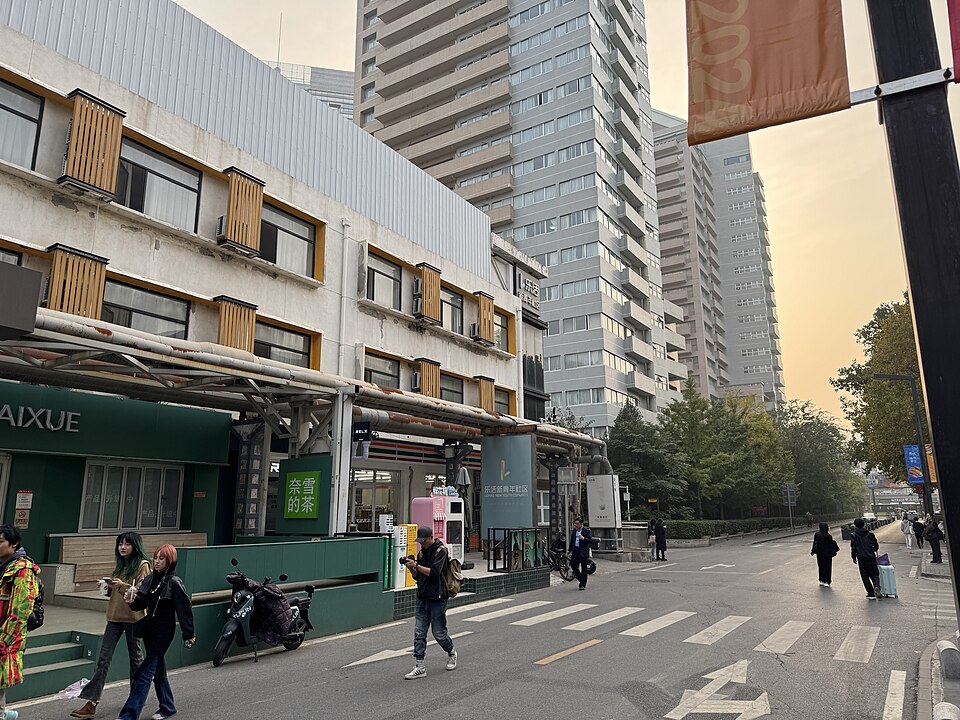
The district contains numerous art galleries, commercial showrooms, design studios, and retail spaces distributed across repurposed factory buildings. Visitors encounter sculpture installations in open courtyards, mural works on exterior walls, and varying interior exhibition configurations. The area includes cafes, restaurants, and specialty shops alongside art spaces. Some buildings maintain original industrial features like exposed piping, high ceilings, and metal-framed windows. The concentration of venues varies across the zone's extent. Individual galleries operate with independent programming. Public art and architectural interventions appear throughout pedestrian routes between structures. The mix of commercial and non-commercial spaces creates an uneven visitor experience by location.
2026-08-26를 확인했습니다.

.jpg)
권장 관람 시간
Visitor duration depends on intended engagement depth. Casual pedestrians traversing main routes and viewing exterior installations may complete a circuit in under two hours. Those entering multiple galleries with changing exhibitions typically require half a day. Serious art viewers examining individual shows thoroughly could extend visits substantially. The district covers considerable ground area with dispersed venues, so walking between distant points adds transit time within the zone. Many visitors combine the art district with meals at on-site restaurants, extending stays. Rain or extreme temperatures may push activity indoors, altering pacing. No single prescribed route exists; self-directed exploration dominates.
2026-08-26를 확인했습니다.
계절과 군중
Seasonal weather conditions affect the 798 Art District experience. Beijing's spring and autumn offer moderate temperatures favorable for outdoor walking between buildings and viewing courtyard installations. Summer brings heat and humidity that may reduce comfort during extended exterior exposure. Winter cold similarly constrains outdoor lingering. Gallery interiors provide climate-controlled refuge in extreme weather. Individual gallery opening schedules vary independently. Operator-confirmed hours for the district as a whole are Not recorded pending review. Visitors should verify specific venue availability before travel. Weekend crowds typically exceed weekday levels. Morning arrivals may offer reduced congestion at popular exhibition spaces and photography locations.
2026-08-26를 확인했습니다.


티켓
The 798 Art District operates as an open zone without a unified entry gate or district-wide admission fee. Visitors may enter public thoroughfares freely. Individual galleries and museums within the district maintain separate admission policies. Some venues charge entry fees for specific exhibitions; others operate without charge. Pricing structures vary by institution and temporary show. Operator-confirmed prices are Not recorded pending review. Visitors should anticipate potential costs for paid exhibitions and budget accordingly. Certain special events or performances may require separate ticketing. Information desks or individual venue entrances provide current admission details. Cash and mobile payment methods are commonly accepted throughout Chinese commercial establishments.
2026-08-26를 확인했습니다.

.jpg)
가는 방법
The 798 Art District occupies northeastern Beijing within Chaoyang District boundaries. Public transit access includes bus routes and subway connections requiring subsequent walking or short taxi rides. The nearest subway stations demand approximately fifteen to twenty minutes of walking through urban streets without consistent signage directing visitors. Taxi and ride-hailing services provide direct access but face traffic congestion typical of Beijing's road network. Drivers may know the district by its local name or former factory designation. Bicycle and electric scooter rentals offer alternative approaches for experienced local navigators. Visitors should carry the Chinese address for presentation to drivers unfamiliar with English names.
2026-08-26를 확인했습니다.
주의할 점
Industrial heritage infrastructure presents uneven walking surfaces, including cobblestone areas, metal grates, and weathered concrete. Some buildings retain original factory flooring unsuited to mobility devices. Gallery density varies; visitors may encounter extended stretches of closed or unoccupied structures between active venues. Commercial pressures have increased retail and dining presence relative to pure art spaces over time. Art quality and exhibition professionalism differ substantially across venues. Photography permissions vary by individual gallery and specific artwork; visitors should observe posted restrictions. The district's popularity creates congestion at narrow passages and popular installations. Limited shelter exists for sudden weather changes during inter-building transit.
2026-08-26를 확인했습니다.

사진
The industrial architecture provides distinctive photographic subjects including preserved chimneys, factory numbering, rusted metalwork, and geometric building forms. Exterior installations and murals offer additional visual interest. Lighting conditions vary dramatically between open courtyards and building interiors. Morning and late afternoon sun angles enhance texture on weathered surfaces. Individual galleries enforce independent photography policies; some prohibit all imaging, others permit non-flash documentation, while select venues may allow unrestricted capture. Visitors must respect posted restrictions and staff instructions regarding specific artworks. Tripod use typically requires advance permission. The aesthetic contrast between decaying industrial elements and contemporary interventions constitutes the district's primary photographic appeal for many visitors.
2026-08-26를 확인했습니다.
일반적인 질문
Is the 798 Art District open every day for 798 Art District in Beijing?
The district's public spaces are generally accessible daily, but individual galleries maintain independent schedules. Operator-confirmed hours are Not recorded pending review.
Do I need to book tickets in advance for 798 Art District in Beijing?
No district-wide entry ticket exists. Individual paid exhibitions may accept walk-up entry, but popular temporary shows could require advance booking depending on venue policy.
How do I get there using public transportation for 798 Art District in Beijing?
Subway and bus connections serve the general area with walking required. Carry the Chinese name 798艺术区 and specific address for navigation assistance.
Are there English-speaking staff or signage for 798 Art District in Beijing?
English presence varies by venue. Major galleries may offer some English materials, but comprehensive bilingual service is not guaranteed throughout the district.
Is the area accessible for wheelchairs or strollers for 798 Art District in Beijing?
Industrial heritage infrastructure presents challenges. Surfaces are uneven in many areas, and not all buildings have been adapted for mobility devices.
Can I buy art directly from galleries for 798 Art District in Beijing?
Many galleries operate commercially and may conduct sales, but practices vary. Visitors interested in purchasing should inquire directly at individual venues.
그것이 어디에 있는가
인터랙티브 지도를 불러오는 중…
인터랙티브 지도를 불러올 수 없습니다.
주변
계획에 맞추세요
외부 링크
마지막 업데이트:
출처: OpenStreetMap 기여자, Wikidata ·