徒歩4分
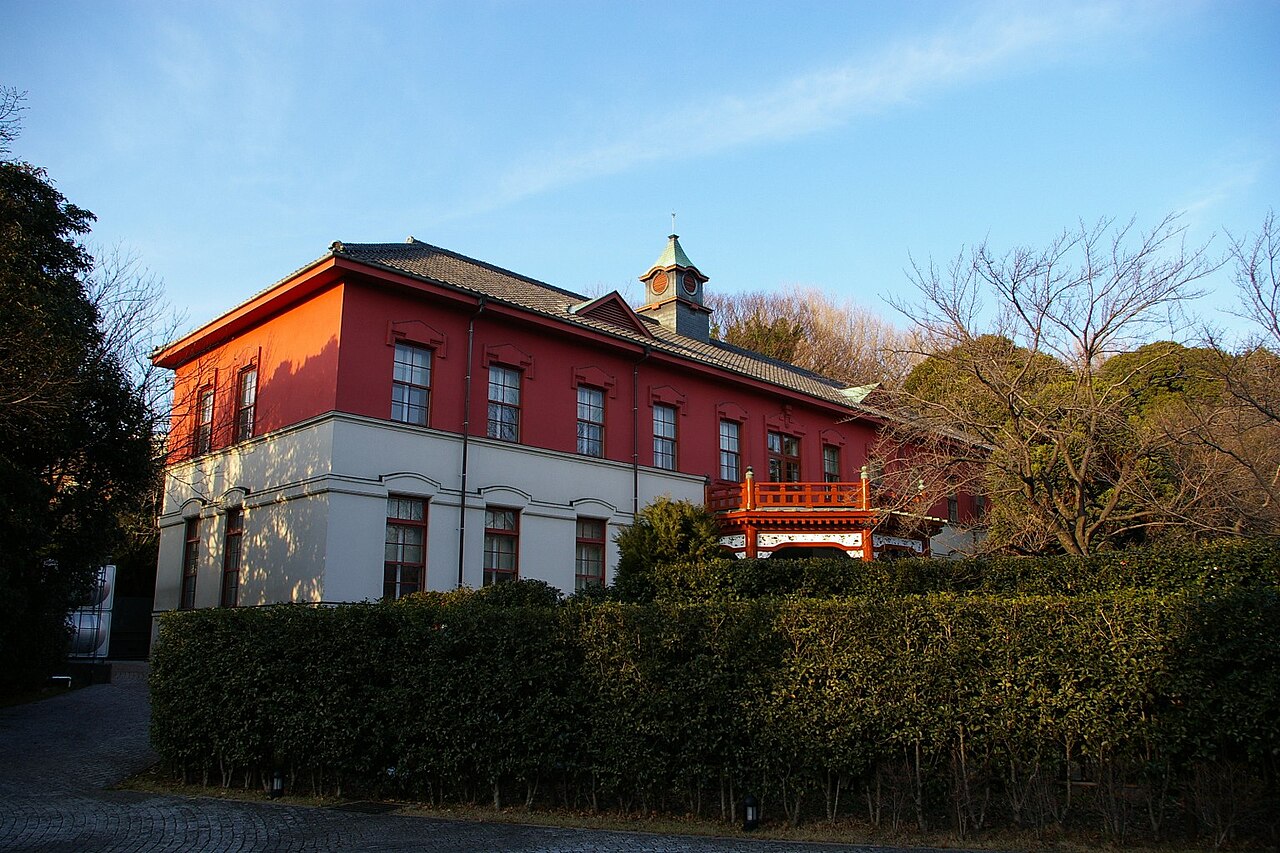
東京大学総合研究博物館・小石川分館
- 高 · 遺産
- 博物館
言語 · 11件公開中
自然スポット · 東京都
小石川植物園
| 月曜日 | 閉店 |
|---|---|
| 火曜日 | 09:00 – 16:30 |
| 水曜日 | 09:00 – 16:30 |
| 木曜日 | 09:00 – 16:30 |
| 金曜日 | 09:00 – 16:30 |
| 土曜日 | 09:00 – 16:30 |
| 日曜日 | 09:00 – 16:30 |
2026-08-26 の OpenStreetMap の営業時間から解析されました。
Koishikawa Botanical Garden is a botanical garden and arboretum located in the Koishikawa area of Bunkyo Ward, Tokyo. Established in 1684 by the Tokugawa shogunate as a medicinal herb garden, it is one of Japan's oldest botanical gardens. The garden is now affiliated with the University of Tokyo's Graduate School of Science. It occupies a significant area in central Tokyo and serves both research and public education purposes. The garden's historical origins as a site for cultivating medicinal plants distinguish it from later purely aesthetic garden developments in the city.
2026-08-28 を確認しました
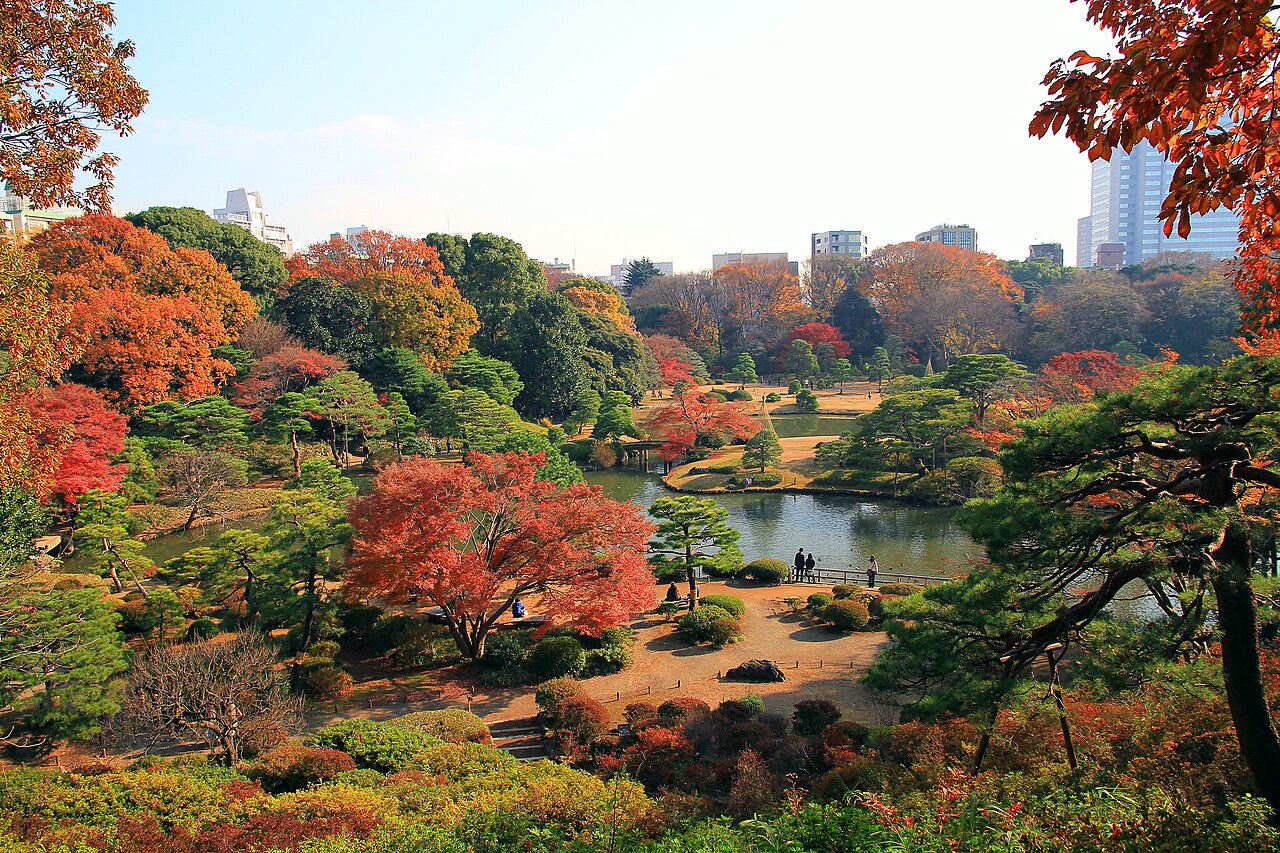
The garden contains extensive plant collections arranged in systematic and geographic groupings. Visitors will find numerous tree species, including mature specimens accumulated over centuries. There are greenhouses housing tropical and subtropical plants. Seasonal features include cherry blossoms, autumn foliage, and various flowering plants throughout the year. The garden preserves historical landscape elements alongside scientific plantings. Water features and traditional Japanese garden components appear in certain areas. The terrain includes gentle slopes and varied topography typical of the Koishikawa district's natural geography.
2026-08-28 を確認しました
A thorough visit to Koishikawa Botanical Garden typically requires between ninety minutes and two and a half hours. Casual visitors making a brief circuit of the main paths may complete their visit in approximately one hour. Those with strong botanical interests, photography intentions, or desires for peaceful contemplation should allocate additional time. The garden's size and diversity of collections reward unhurried exploration. Repeat visits across different seasons offer substantially varied experiences due to changing plant displays. Combination with nearby attractions in the Bunkyo Ward area can extend a half-day excursion.
2026-08-28 を確認しました
The garden presents distinct seasonal attractions throughout the year. Spring brings cherry and other flowering tree blossoms. Summer offers dense green canopy shade. Autumn produces notable foliage color changes. Winter reveals structural tree forms and greenhouse warmth. Visitors should verify current opening schedules through official University of Tokyo channels before planning visits. Weather considerations include Tokyo's hot humid summers and occasionally rainy typhoon seasons. Early morning arrivals typically provide quieter conditions and optimal light for observation regardless of season. Check the operator's own site for the travel date before relying on a schedule or fare.
2026-08-28 を確認しました
Koishikawa Botanical Garden operates as a public facility with admission fees. The garden likely offers standard adult admission with possible reduced rates for students, seniors, and children, consistent with comparable Japanese public botanical institutions. University of Tokyo affiliates may receive special access provisions. Visitors should consult current official sources for precise fee structures and any free admission days or special exhibitions with separate pricing. Payment methods at the entrance should be verified in advance, as some Japanese facilities remain cash-preferred. Check the operator's own site for the travel date before relying on a schedule or fare.
2026-08-28 を確認しました
The garden is accessible via Tokyo's extensive rail and subway network. The nearest station is Myogadani on the Tokyo Metro Marunouchi Line, approximately ten minutes walk from the garden's main entrance. Additional access options include nearby stations on other lines within reasonable walking distance. The Bunkyo Ward location places it within central Tokyo's dense transit web. Pedestrian navigation from stations follows ordinary urban streets with adequate signage. Visitors with mobility considerations should research specific route conditions, as Tokyo sidewalks vary in accessibility. Bicycle parking availability near the entrance should be confirmed.
2026-08-28 を確認しました
Visitors should observe standard Japanese garden etiquette including staying on designated paths and not disturbing plant collections. The garden contains scientific specimens where collection of seeds, cuttings, or plant material is prohibited. Weather preparedness is advisable given Tokyo's variable conditions and limited shelter across the grounds. Mosquito protection merits consideration during warmer months. The garden's research function means certain areas may carry temporary access restrictions. Photography policies should be verified on-site. Respect for quiet atmosphere benefits all visitors. Proper footwear for potentially uneven paths and extended walking is recommended.
2026-08-28 を確認しました
Koishikawa Botanical Garden offers substantial photography opportunities across its varied landscapes and plant collections. The mature trees provide impressive scale and seasonal color subjects. Greenhouse interiors present controlled lighting environments for tropical plant documentation. Early morning and late afternoon light enhance the garden's atmospheric qualities. Visitors should confirm any photography restrictions upon entry, as Japanese institutions sometimes regulate commercial or tripod use. The combination of historical landscape elements with scientific plantings yields diverse compositional possibilities. Respect for other visitors' experience should guide equipment choices and positioning within narrower pathways.
2026-08-28 を確認しました
The garden accommodates visitors of all ages, though its primary emphasis on scientific plant collections may engage older children and adults more directly than very young visitors. The open spaces and natural environment offer general appeal.
Not recorded. Visitors should consult official University of Tokyo sources for current programming including any guided tours, educational workshops, or special events.
Not recorded. Japanese botanical gardens typically restrict eating to designated areas; visitors should verify current policies upon arrival.
Not recorded. The terrain includes slopes and varied surfaces; visitors with mobility considerations should contact the facility directly regarding current accessibility provisions.
Not recorded. Most Japanese botanical gardens prohibit pets; service animal policies should be verified with official sources.
Not recorded. Visitors should not assume ancillary facilities exist and may wish to plan accordingly for refreshments and souvenirs.
インタラクティブマップを読み込んでいます…
インタラクティブマップを読み込めませんでした。
最終更新日:
情報源: OpenStreetMap コントリビューター, Wikidata ·