


4 min walk
Bocca della Verità
- Must see
- Art and culture venue
Language · 1 published
Viewpoint · Rome
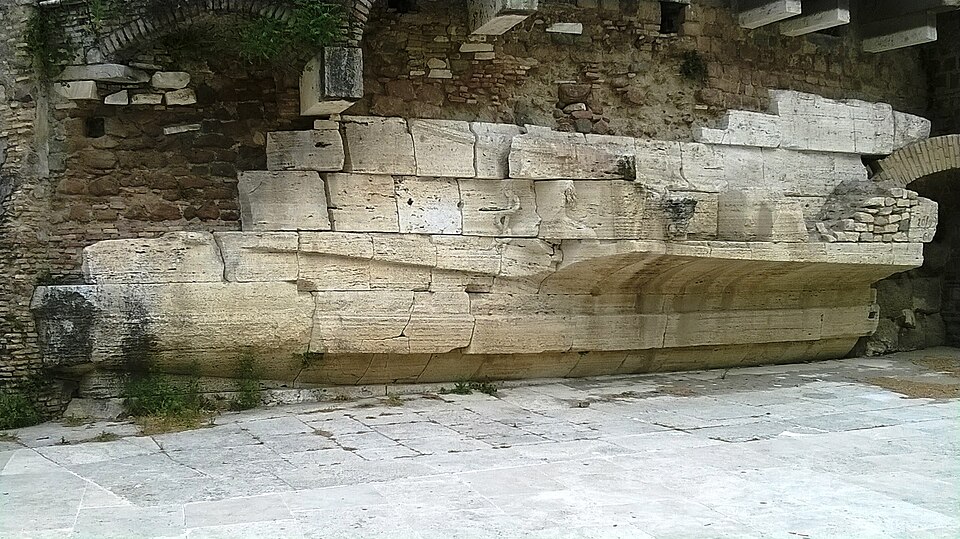
Isola Tiberina is the only island in the Tiber River within Rome's historic centre. This elongated boat-shaped landmass measures roughly 270 metres in length and sits between the left and right banks of the river, connected by two ancient bridges: Ponte Fabricio and Ponte Cestio. The island has served multiple functions throughout Roman history, including as a place of isolation for the sick, a religious sanctuary, and a commercial crossing point. Its distinctive ship-like form was deliberately enhanced in antiquity with travertine facing and a prow-like obelisk to resemble a vessel.
Checked 2026-08-26
The island's most prominent structure is the Basilica of San Bartolomeo all'Isola, occupying the eastern portion. A former temple dedicated to Aesculapius, the Roman god of healing, once stood here. The church of San Giovanni Calibita is also present. The Fatebenefratelli Hospital, founded in the sixteenth century, continues medical operations. Various ancient architectural fragments and inscriptions are incorporated into later structures. The island contains modest green spaces and pedestrian pathways. Small commercial establishments occupy ground-level spaces along the main thoroughfare. No major museum or extensive archaeological excavation is accessible to visitors.
Checked 2026-08-26
A complete circuit of Isola Tiberina requires approximately twenty to thirty minutes at a leisurely pace. Visitors typically combine the island with exploration of the adjacent Trastevere district or the Jewish Ghetto on the opposite bank, extending the overall visit to between ninety minutes and two hours. The compact dimensions permit thorough examination without prolonged commitment. Those entering the basilica should allow an additional ten to fifteen minutes. The island functions effectively as a brief interlude between longer engagements at surrounding monumental sites. No guided tour infrastructure operates specifically on the island itself.
Checked 2026-08-26
Operator-confirmed hours for religious and medical buildings on Isola Tiberina are Not recorded pending review. The island's exterior spaces and connecting bridges remain accessible at all hours as public thoroughfares. Seasonal variations in Rome's climate affect visitor comfort, with summer months bringing intense heat and reduced river flow, while winter periods may see elevated water levels and occasional flooding. Evening illumination of the bridges creates atmospheric conditions favoured by some visitors. Religious services occur at scheduled times within the basilica, potentially restricting interior access. No special events calendar is maintained for the island specifically.
Checked 2026-08-26
Operator-confirmed prices for any potential donations or access fees are Not recorded pending review. No ticketed entry system operates for the island's public spaces or bridge crossings. The Basilica of San Bartolomeo all'Isola may request voluntary contributions for maintenance. The Fatebenefratelli Hospital functions as a medical facility and does not admit tourists. No combined ticketing arrangements exist with nearby attractions. Visitors should anticipate no expenditure beyond personal purchases at commercial establishments. Cash reserves in small denominations are advisable for any discretionary offerings at religious sites. No advance booking mechanism is available or necessary.
Checked 2026-08-26
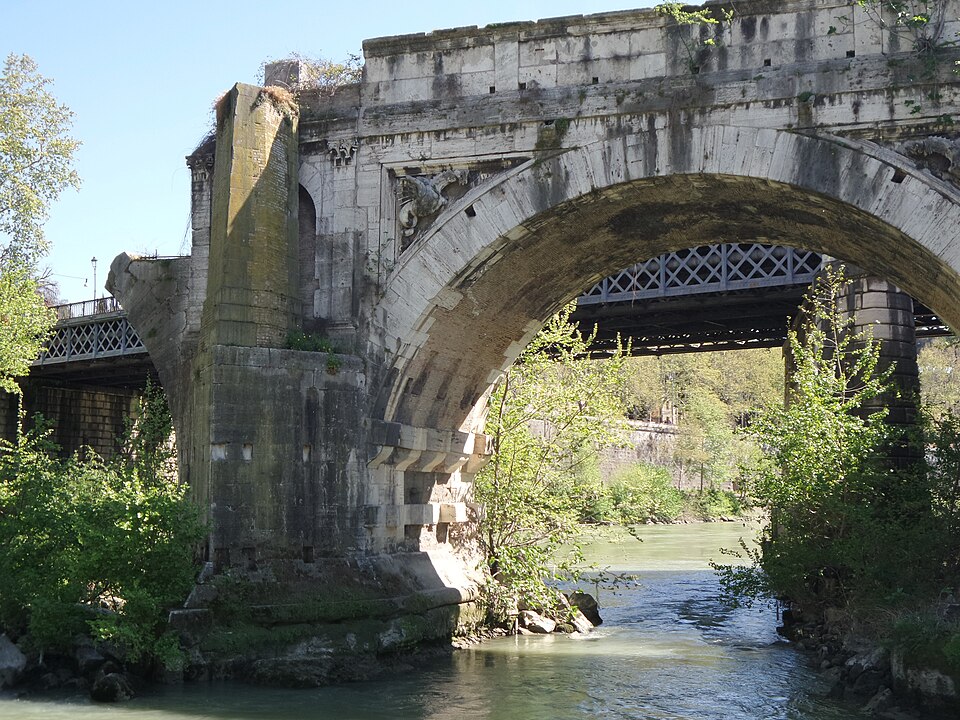
Ponte Fabricio provides pedestrian access from the Jewish Ghetto side, connecting to Lungotevere in Augusta. Ponte Cestio connects the island to Trastevere, specifically to Piazza in Piscinula. Both bridges accommodate foot traffic exclusively; no vehicular access reaches the island. The nearest tram stops serve lines crossing the river at adjacent points. Bus routes operate along both riverbanks with stops requiring short walks. No dedicated parking exists on the island itself. Walking from central Roman locations including the Campidoglio or Piazza Navona involves fifteen to twenty-five minutes. The island's position makes it a natural crossing point between these major districts.
Checked 2026-08-26
River levels fluctuate significantly, and flooding may render lower pathways impassable during winter and spring periods. The Tiber's current presents genuine hazard; barriers exist but vigilance remains essential, particularly for children. Medical facility operations mean respectful conduct near hospital entrances is required. Religious sites demand appropriate dress and demeanour. The narrow thoroughfare creates congestion during peak visitor periods. Uneven ancient paving and steps present trip hazards. Limited shade exposes visitors to sun exposure during summer months. No dedicated security or information personnel are stationed on the island. Emergency services access is constrained by the physical geography.
Checked 2026-08-26
The island offers distinctive perspectives of the Tiber River and surrounding historic architecture unavailable from the banks. Ponte Fabricio and Ponte Cestio provide framed views of the island's ship-prow silhouette. The basilica facade permits exterior architectural photography. Interior religious spaces may restrict or prohibit photography; signage and custodial direction should be observed. Elevated viewpoints from adjacent bridges capture the island's full elongated form. Lighting conditions vary dramatically between morning, midday, and evening hours. The river surface reflects ambient light unpredictably. Tripod use in narrow pedestrian spaces may obstruct passage and should be exercised with consideration for other visitors.
Checked 2026-08-26
The island's exterior public spaces and bridges remain accessible continuously. Specific buildings including the basilica and hospital maintain their own schedules, which are not recorded here.
The island itself requires twenty to thirty minutes. Most visitors combine it with Trastevere or the Jewish Ghetto, extending the visit to ninety minutes or longer.
Small commercial establishments exist at ground level. Extensive dining options are found in the immediately adjacent neighbourhoods rather than on the island proper.
No vehicular access exists. Both connecting bridges are pedestrian-only. Walking or public transport to the riverbanks followed by bridge crossing is required.
The bridges and main pathway present variable surfaces including ancient paving. Specific accessibility accommodations are not recorded pending review of current conditions.
The form references the legend of a plague-ending serpent arriving by ship from Epidaurus in 293 BCE, leading to the temple of Aesculapius. Ancient Romans enhanced the natural shape with architectural additions.
Loading the interactive map…
The interactive map could not be loaded.
Last updated:
Source: OpenStreetMap contributors ·