مكان عبادة · Şehzadeler, مانيسا
Hatuniye Mosque
Hatuniye Cami
صورة فوتوغرافية

القبول
| لكل شخص | دخول مجاني |
|---|
تم التحقق 2026-08-24
- اليوم
- ساعات العمل غير مسجلة
- مدة الزيارة
- 20 د
- إمكانية الوصول
- غير مسجّل
- السعر
- دخول مجاني
- المكانة
- يجب رؤيته
- رتبة
- الرتبة 22 من 578
نبذة عن Hatuniye Mosque
The Hatuniye Camii was built in 1490–91 by Şehzade Şehinşah, a son of Bayezid II, in honour of his mother Hüsnüşah Hatun. It is a prince's mosque for a prince's mother, which is the pattern Manisa keeps repeating — the Sultan Mosque thirty years later was the same gesture from Süleyman's mother.
The külliye originally held a madrasa and an imarethane, a soup kitchen. Neither survives.
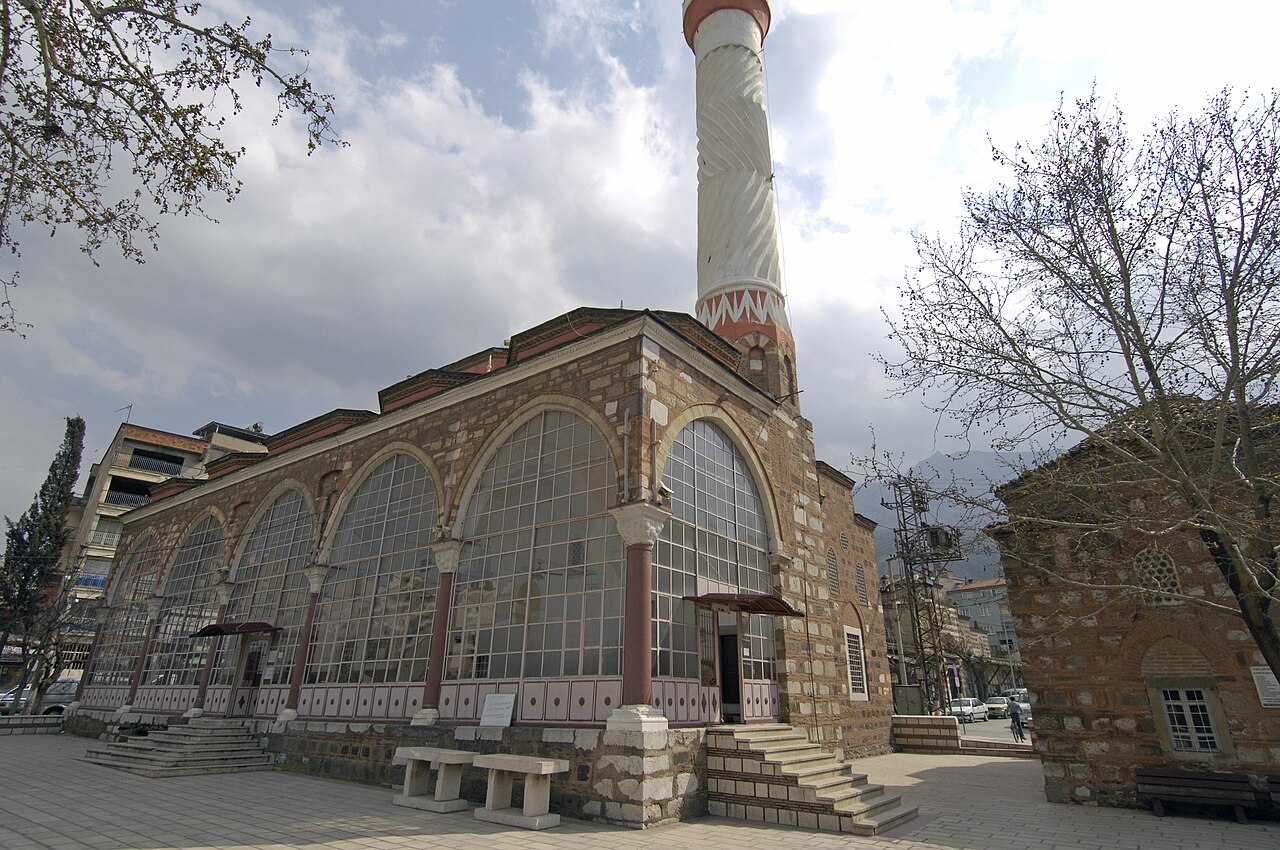
The mosque stands in Şehzadeler, the historic half of Manisa, in stone masonry with a single minaret.
Manisa was where Ottoman princes were sent to govern before they took the throne, and the buildings their households endowed are most of what the city has. The Hatuniye belongs to that pattern twice over: a prince's foundation, dedicated to a prince's mother.
تم التحقق 2026-08-24 · المصدر
ماذا يوجد بالداخل
What is here is the mosque; what is not here is most of the complex.
The building is kâgir — stone masonry — in Ottoman style, with one minaret. It carries the scars of a hard history: a 1611 earthquake caused substantial destruction and forced extensive seventeenth-century repair and rebuilding.
The madrasa and the soup kitchen that stood beside it were lost to fire during the Turkish War of Independence, in the Manisa fires of 1922. What you walk around is a fifteenth-century foundation that has been broken and mended twice.
تم التحقق 2026-08-24 · المصدر
المدة المقترحة للزيارة
Twenty minutes. It is a single building on a walking route, not a visit in itself.
Because the madrasa and imaret are gone, there is no complex to circle. The mosque, its minaret and the immediate ground are all that remain to see.
Put it in a Şehzadeler walk with the Ulu Camii, the Sultan Mosque and the Muradiye and it earns its place; visited alone it will feel thin.
تم التحقق 2026-08-24
الموسم والحشود
Outside prayer times, mid-morning or mid-afternoon. Not Friday at noon.
The historic quarter is on a slope with little shade and spring or autumn is the comfortable time to walk it. In the last week of March the city turns toward the Sultan Mosque for the Mesir festival, which leaves the smaller mosques quieter than usual.
Nothing about the building is seasonal.
Winter rain makes the slope's streets slippery and the mosque has no covered approach, which matters more here than at the larger complexes with their courtyards.
تم التحقق 2026-08-24
التذاكر
Free. This is a working mosque and there is no admission charge, no ticket desk and no guide service.
The madrasa and the soup kitchen that would once have stood beside it no longer exist, so there is nothing else on the site to charge for.
The only paid admission among Manisa's Ottoman buildings is the museum in the Muradiye complex.
تم التحقق 2026-08-24
الوصول إلى هناك
On foot, in Şehzadeler, the historic half of Manisa on the lower slope of Mount Spil.
It sits among the streets that hold the city's other Ottoman mosques, so it is a stop on a walk rather than a journey. Town buses cover the rest of Manisa.
The intercity options — the İzmir Basmane train, the road buses, Adnan Menderes airport — are the same for every sight in this part of town; the Sultan Mosque page has the timings.
تم التحقق 2026-08-24 · المصدر
ما يجب الحذر منه
Dress and prayer-time rules match every working mosque in Şehzadeler — full detail is on the Sultan Mosque page — and the same courtesy applies here as anywhere else in the Ottoman core.
What is different at the Hatuniye is how little is left to see beyond the mosque itself: the madrasa and imarethane burned in 1922, so this is a single building rather than a walled compound, and it can feel thin visited alone rather than as a stop on a longer walk.
It is a genuine neighbourhood mosque rather than a monument on a tour route — no ticket desk, no guide, nobody expecting visitors. If the door is locked outside prayer, there is no one on site to ask, and Manisa carries none of the guide touts or scam economy a bigger Turkish city would.
تم التحقق 2026-08-24
التصوير الفوتوغرافي
Stone masonry and a single minaret against the slope is the shot, and it is a plain one — this is a fifteenth-century neighbourhood mosque, not a monument built to be photographed.
The seventeenth-century repairs after the 1611 earthquake are visible in the fabric if you look for changes in the stonework, and that is the more interesting picture.
Inside, nothing stops a camera, but keep it to a quiet moment rather than a prayer, the same courtesy that holds in every mosque in the city.
تم التحقق 2026-08-24
الأسئلة الشائعة
Who built the Hatuniye Mosque?
Şehzade Şehinşah, a son of Bayezid II, in 1490–91, in honour of his mother Hüsnüşah Hatun.
What happened to the rest of the complex?
The madrasa and the imarethane — the soup kitchen — did not survive. They were lost to fire during the Turkish War of Independence, in the Manisa fires of 1922.
Has it been damaged?
Twice over. A 1611 earthquake caused substantial destruction and forced extensive seventeenth-century repairs, and the 1922 fires took the rest of the complex.
How long does it take?
Twenty minutes. It works as a stop on a walk through Şehzadeler with the Ulu Camii, the Sultan Mosque and the Muradiye.
Is there an entrance fee?
No. It is a working mosque and admission is free.
Where is it?
In Şehzadeler, the historic half of Manisa, among the streets that hold the city's other Ottoman mosques.
أين هو
جاري تحميل الخريطة التفاعلية…
تعذر تحميل الخريطة التفاعلية.
قريب
ضعها في خطة
روابط خارجية
آخر تحديث:
المصدر: مساهمو OpenStreetMap, Wikidata ·