أثر تاريخي · Fatih, إسطنبول
Şehzade Mosque
Şehzadebaşı Camii
صورة فوتوغرافية


الوصول والمرافق
- الوصول بدون خطوات · متاح
القراءة من علامات الوصول إلى OpenStreetMap؛ أي شيء غير مدرج ليس له علامة مسجلة.
قم بتعيين نوع المجموعة على العائلة في المخطط وتقلص نافذة اليوم إلى حوالي ثلاثة أرباع يوم منفرد.
- اليوم
- ساعات العمل غير مسجلة
- مدة الزيارة
- 30 د
- إمكانية الوصول
- خالية من الخطوات
- السعر
- دخول مجاني
- المكانة
- يجب رؤيته
- رتبة
- الرتبة 28 من 8,133
نبذة عن Şehzade Mosque
The Şehzade is the mosque Süleyman the Magnificent built for a dead son, and it is where Sinan learned to build the ones that followed.
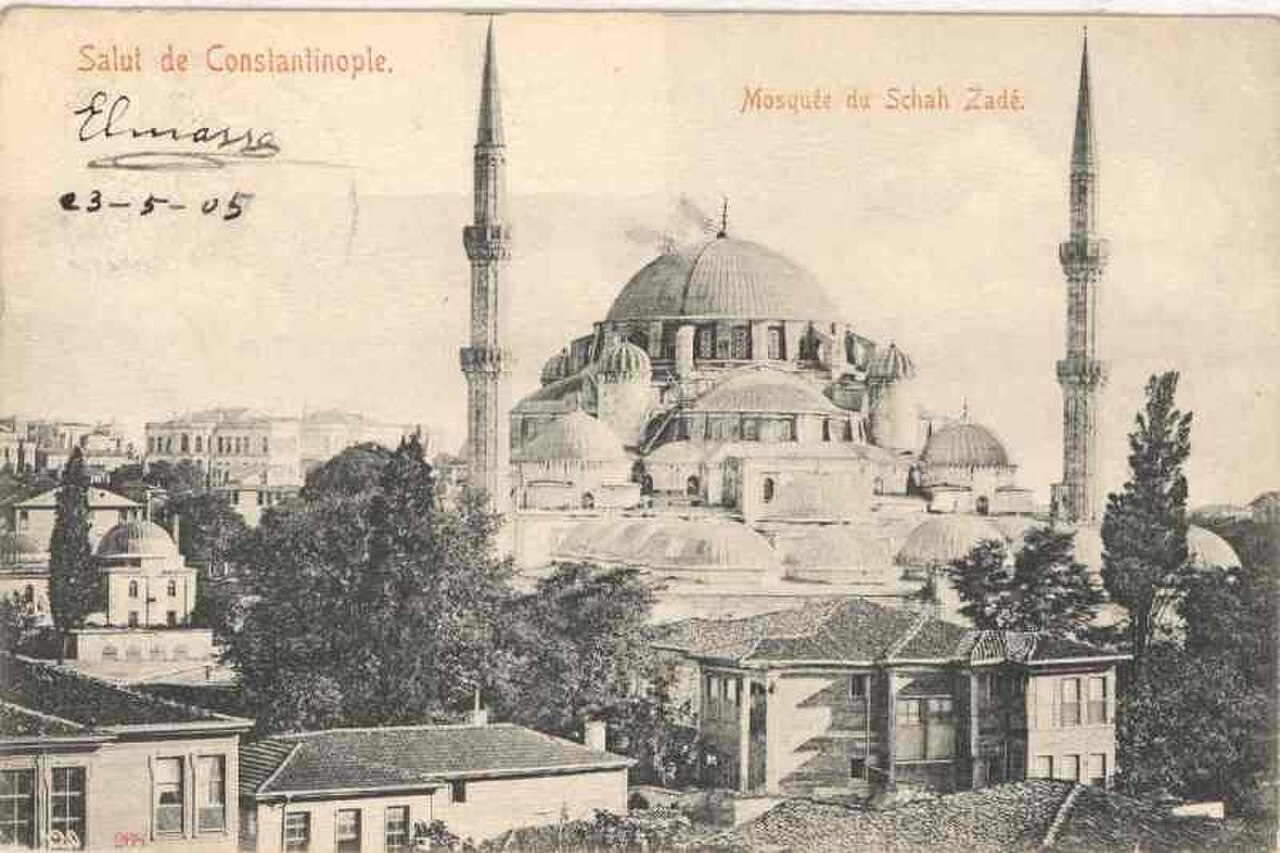
Şehzade Mehmed died in 1543 on the way back to Istanbul from a victorious campaign in Hungary. He was the heir. His father commissioned the mosque and Sinan built it between 1545 and 1548 — one of the earliest and most important works of a career that ran another forty years.
It stands on the third hill in Fatih, below the Aqueduct of Valens, five minutes from the Süleymaniye that Sinan would build for the same patron a decade later.
تم التحقق 2026-08-23 · المصدر
ماذا يوجد بالداخل
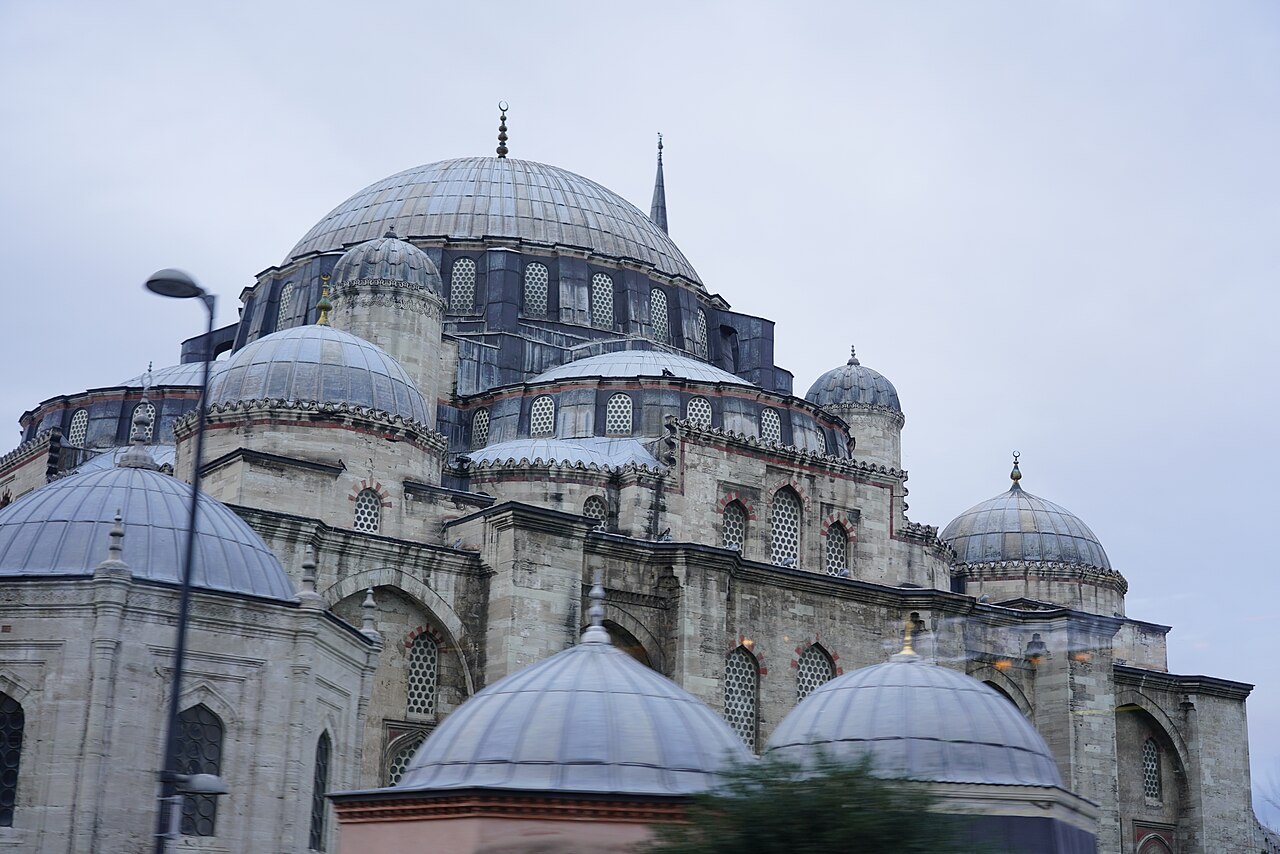
A central dome 19 m across and 37 m high, carried on four half-domes — the symmetrical scheme Sinan tried here and refined for the rest of his life.
The tomb beside the mosque is the reason to come. Şehzade Mehmed's octagonal mausoleum is lined with multi-coloured cuerda seca tiles, a technique Ottoman workshops abandoned soon after for underglaze İznik, which makes this interior a dead end in the history of Turkish tile and one of its high points.
Over Mehmed's sarcophagus stands a rectangular wooden throne, put there to say he had been heir apparent. His daughter Hümaşah Sultan and his youngest brother Şehzade Cihangir, who died in 1553, are buried in the same tomb.
The külliye holds a medrese, a tabhane, a caravanserai, an imaret, a small primary school and a cemetery with several mausoleums.
تم التحقق 2026-08-23 · المصدر


المدة المقترحة للزيارة
An hour, and the tomb is worth half of it.
The prayer hall takes twenty minutes. The mausoleum, if it is open, takes as long again — the cuerda seca tilework rewards standing still, and it is a small room.
The Şehzade, the Aqueduct of Valens and the Süleymaniye are within fifteen minutes of each other on the third hill, which makes a natural morning away from Sultanahmet.
تم التحقق 2026-08-23
.jpg)
الموسم والحشود
Mid-morning or mid-afternoon, outside prayer times, and not at Friday noon.
The mosque sees a fraction of the Sultanahmet crowd and the tomb is often empty, which is the argument for coming here rather than joining the queue at the Blue Mosque.
The tomb keeps its own hours, which are not the mosque's, and it is the part most likely to be shut. Spring and autumn suit the walk along the third hill.
تم التحقق 2026-08-23
التذاكر
Free. It is a working mosque and admission costs nothing.
The mausoleum of Şehzade Mehmed is not separately ticketed on the sources this page uses, although it keeps its own opening hours and is not always accessible.
The surviving buildings of the külliye are in various uses and are not part of a visit.
تم التحقق 2026-08-23 · المصدر

.jpg)
الوصول إلى هناك
On the third hill in Fatih, below the Aqueduct of Valens on Şehzadebaşı Caddesi.
The Vezneciler metro station is a few minutes' walk, and the T1 tram at Beyazıt is ten minutes away. The Süleymaniye is fifteen minutes north on foot.
One contactless card covers tram, metro, funicular, bus and ferry, and it is the only ticket most visitors need.
تم التحقق 2026-08-23


ما يجب الحذر منه
Shoulders and knees covered, headscarf for women, shoes off at the threshold. Coverings are usually available at the door.
Visitor access closes during the five daily prayers and Friday around noon is the busiest hour of the week. Prayer times shift through the year.
Photography of people at prayer is not acceptable.
The tomb is the reason to come and it is the part most often locked. Its hours are not the mosque's and are not published, so a visit that depends on seeing the tilework is a gamble.
The mosque sits on a busy road and the courtyard walls do less than they look to shut the traffic out.
تم التحقق 2026-08-23 · المصدر

التصوير الفوتوغرافي
The cuerda seca tiles in Mehmed's tomb are the best photographic subject in any Ottoman mausoleum in the city, and the room is small and dim. A fast lens earns its place; a flash flattens the glaze and is not welcome.
The wooden throne over the sarcophagus is the detail that says what this tomb is for, and it is easy to walk past.
Outside, the mosque's four half-domes around the central dome read best from the courtyard's far corner or from the road below, and late afternoon warms the stone.
Not during prayer, and not pointed at people praying.
تم التحقق 2026-08-23
الأسئلة الشائعة
Who is the Şehzade Mosque for?
Şehzade Mehmed, the heir of Süleyman the Magnificent, who died in 1543 returning from a campaign in Hungary. His father commissioned the mosque as his memorial.
Who built it and when?
Mimar Sinan, between 1545 and 1548 — one of the earliest and most important works of his career, a decade before the Süleymaniye.
How big is the dome?
19 m across and 37 m high, carried on four half-domes.
What is in the tomb?
Şehzade Mehmed, under a rectangular wooden throne marking him as heir apparent, with his daughter Hümaşah Sultan and his youngest brother Şehzade Cihangir, who died in 1553. The walls are lined with multi-coloured cuerda seca tiles.
Is there an entrance fee?
No. It is a working mosque and admission is free, as is the mausoleum on the sources this page uses — though the tomb keeps its own hours and is not always open.
What else is in the complex?
A medrese, a tabhane, a caravanserai, an imaret, a small primary school and a cemetery with several mausoleums.
أين هو
جاري تحميل الخريطة التفاعلية…
تعذر تحميل الخريطة التفاعلية.
قريب
ضعها في خطة
روابط خارجية
آخر تحديث:
المصدر: مساهمو OpenStreetMap, Wikidata ·