مكان عبادة · Üsküdar, إسطنبول
İmrahor Mosque
İmrahor Camii
صورة فوتوغرافية


- اليوم
- ساعات العمل غير مسجلة
- مدة الزيارة
- 15 د
- إمكانية الوصول
- غير مسجّل
- السعر
- غير مسجّل
- المكانة
- يجب رؤيته
- رتبة
- الرتبة 32 من 8,133
نبذة عن İmrahor Mosque
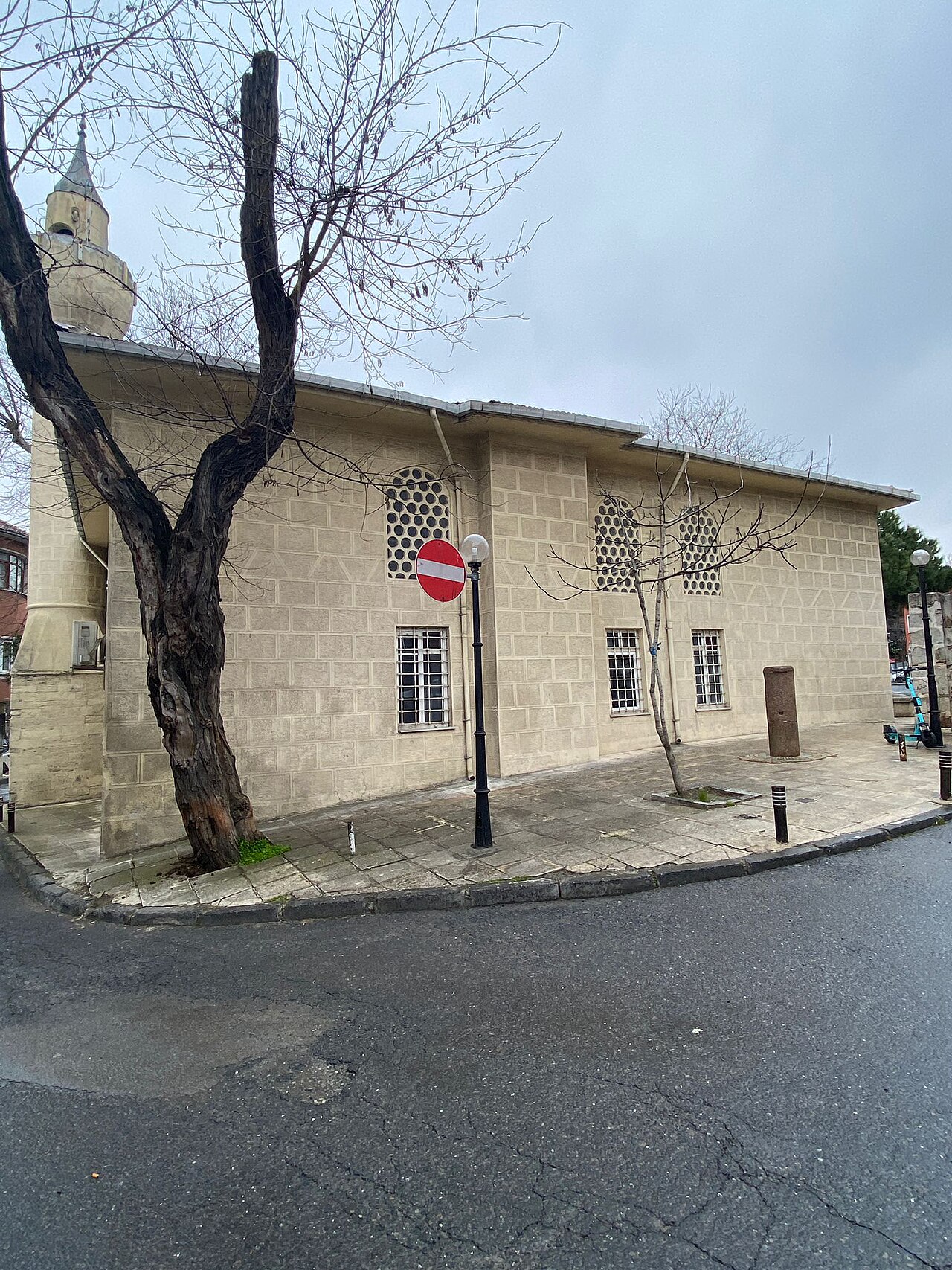
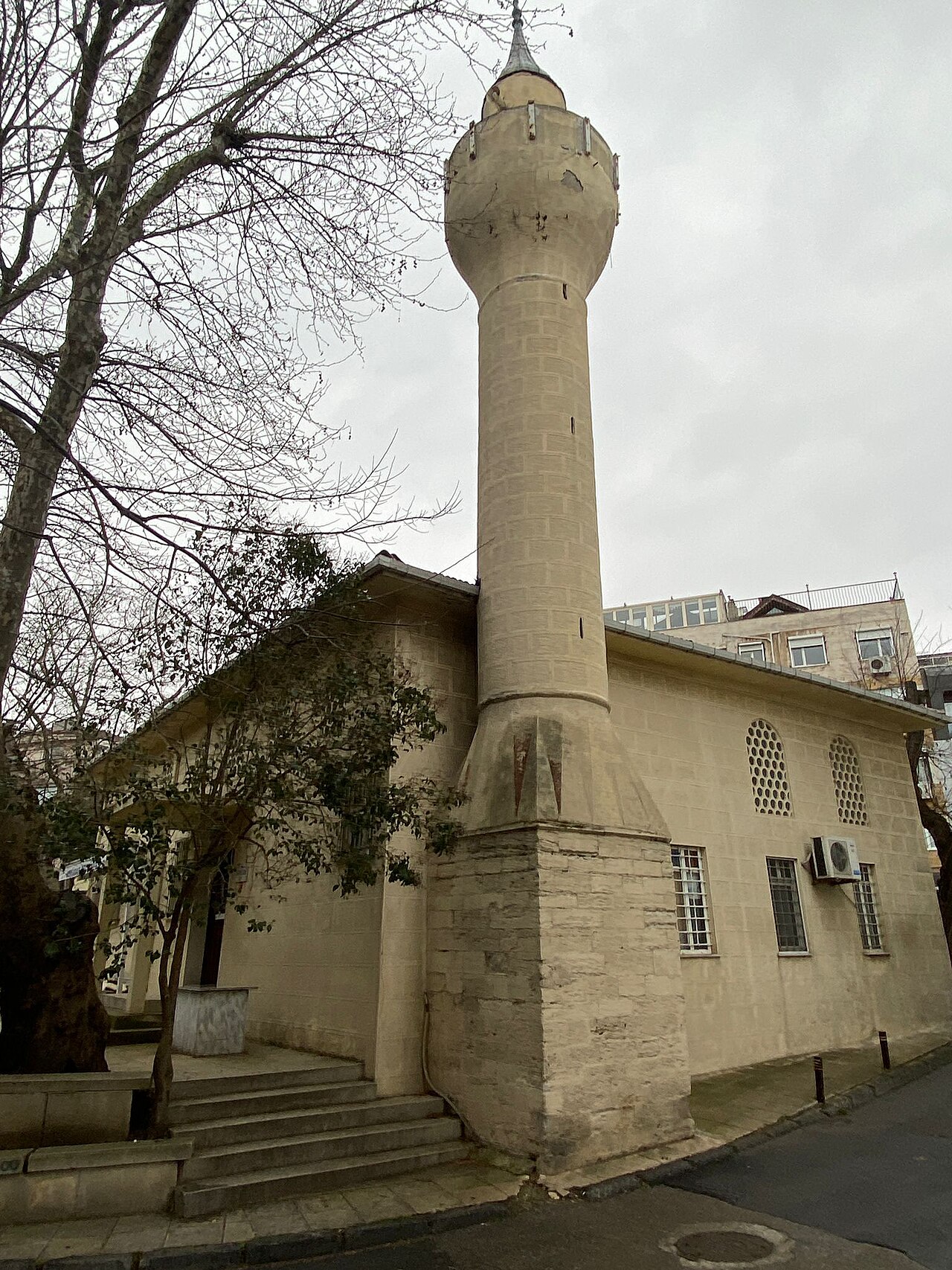
İmrahor Camii is a small working neighbourhood mosque in Salacak, the shore quarter that runs south from Üsküdar square on Istanbul's Asian side. It was commissioned by Mehmet Ağa, the imrahor — the stable master — of Sinan Paşa, and it was built between 1597 and 1598. The office his patron held is what gave the building its name, and the small square it faces still carries it.
The mosque covers about 185 square metres. It is a rectangular hall raised as a mixed structure, masonry walls carrying timber load-bearing elements, and it was built as a mosque rather than converted into one, which sets it apart from most of the buildings a visitor to Istanbul queues for. Until Üsküdar's neighbourhood boundaries were redrawn in 2008 the surrounding quarter was called İmrahor-Salacak. Where Mehmet Ağa himself is buried is not recorded.
تم التحقق 2026-08-24 · المصدر
ماذا يوجد بالداخل
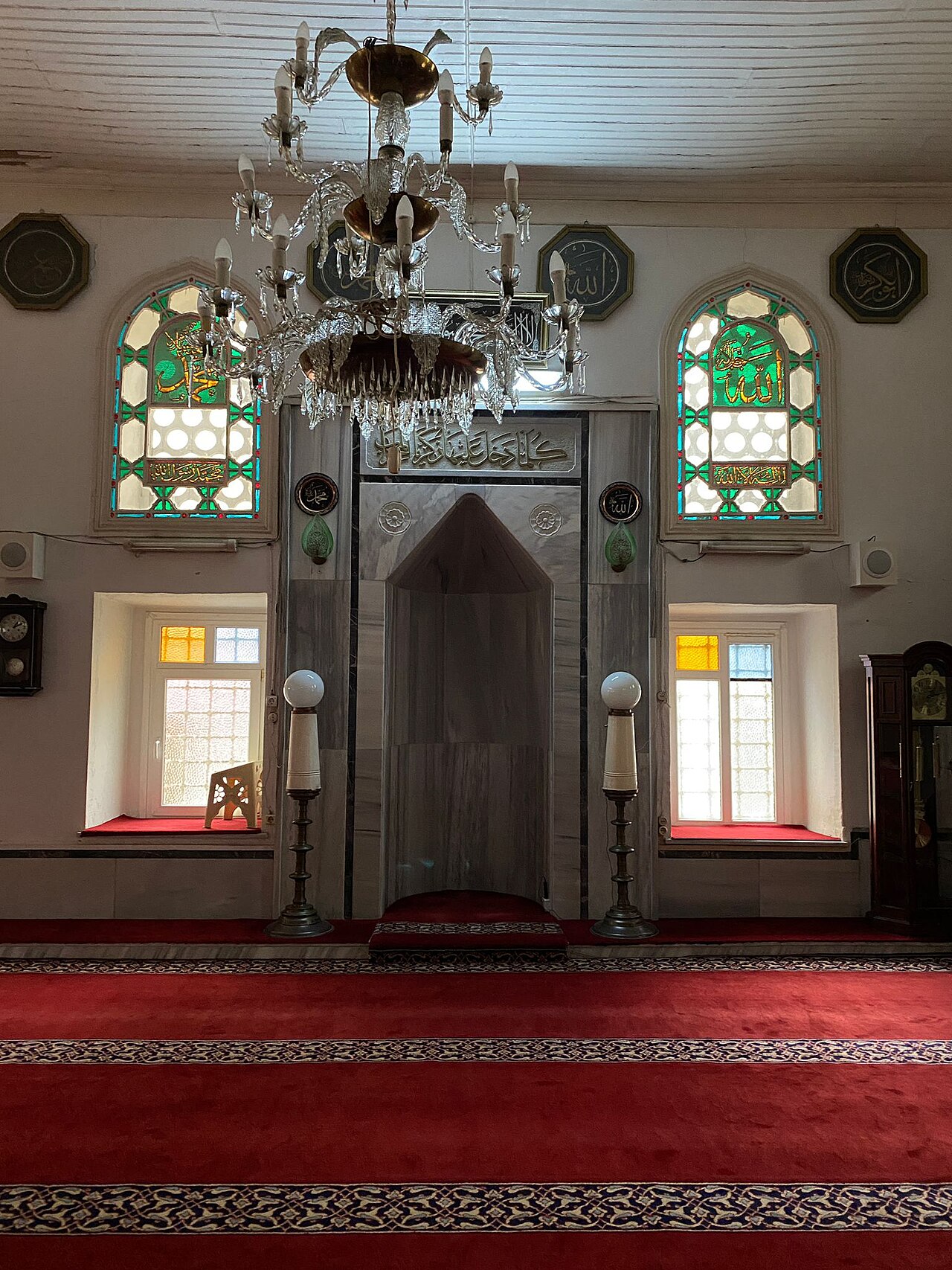
One prayer hall. There are no galleries, no side chapels, no treasury, no ticket desk and no interpretation panels: this is a mosque a few hundred people pray in, not a monument staffed for visitors.
What the building does carry is a recent and careful repair. Üsküdar Municipality, the Istanbul Governorate and the Ministry of Culture and Tourism's Directorate General of Foundations restored it together; work began in 2024, ran for thirteen months, and the mosque was reopened on 13 February 2025, the ceremony falling on Berat Kandili and the Quran recited by its own imam, Sıddık Bektaş. So the surfaces a visitor sees are freshly conserved rather than weathered.
No operator publishes an inventory of the interior — no dimensions for the mihrab, no attribution for the calligraphy — and none is invented here. What is honestly promised is a clean, quiet, single-volume Ottoman room.
تم التحقق 2026-08-24 · المصدر

المدة المقترحة للزيارة
Fifteen minutes, and that is not a hedge. There is one room to stand in. Long enough to take your shoes off, walk to the centre of the carpet, look up at the ceiling, read the wall, and leave without hurrying anyone.
Treat it as a stop on a Salacak shore walk rather than as a destination in its own right. Nobody travels across Istanbul for this mosque alone; people who are already in Üsküdar walk past it and step inside, which is exactly the right way to use it.
تم التحقق 2026-08-24

الموسم والحشود
No visiting timetable is published for this mosque, and that is a checked absence rather than an oversight in this guide: Üsküdar Belediyesi's own mosque directory and reopening announcement, istanbul.diyanet.gov.tr, camiler.diyanet.gov.tr and the Directorate General of Foundations were all read, and none of them carries opening hours.
In practice a working Diyanet mosque is accessible around its five daily prayers, and those move through the year with sunrise and sunset rather than sitting at fixed clock times. Mid-morning, well after the dawn prayer and before the midday one, is the calm window in almost any season. Friday around noon is the one time to stay away, when the congregational prayer fills the hall and a visitor is simply in the way.
تم التحقق 2026-08-24
التذاكر
No admission price is published, and neither is free entry. That distinction matters. No operator page — not the municipality, not Diyanet, not the Foundations directorate — states a charge or states that entry costs nothing, so no figure appears here.
What can be said plainly is what the building physically has: there is no ticket office, no turnstile and no booking channel. Nothing about the mosque suggests a paid visit is being sold to anyone.
تم التحقق 2026-08-24

الوصول إلى هناك
Üsküdar is the anchor and it is very well connected: Marmaray runs under the Bosphorus to it, the M5 metro terminates there, and ferries cross from Eminönü, Karaköy and Beşiktaş. Everything after that is a walk.
From Üsküdar square head south along the water, past Şemsi Paşa Camii, and keep the sea on your left. Salacak is roughly a kilometre down, fifteen to twenty minutes at a normal pace on flat pavement, and the mosque stands on İmrahor Meydanı a few steps inland, very close to Ayazma Camii. It is a pleasant approach in itself — the whole walk faces the old city across the strait.
تم التحقق 2026-08-24 · المصدر

ما يجب الحذر منه
The name will mislead you, and it misleads guidebooks too. There is a second, far more famous İmrahor Camii in Istanbul: the ruined fifth-century church of the Monastery of Stoudios, founded in 462 and converted by Bayezid II's equerry Ilias Bey, which stands roofless in Koca Mustafa Paşa on the European side and is properly called İmrahor İlyas Bey Camii. Both buildings are named for the same court office and neither has anything to do with the other. If you came for a Byzantine ruin, you are on the wrong continent — this is a late-sixteenth-century Ottoman mosque in Üsküdar.
The rest is ordinary mosque courtesy: shoes off at the threshold, shoulders and knees covered, a headscarf for women, phones silenced, and never walk across the space directly in front of someone praying.
تم التحقق 2026-08-24 · المصدر
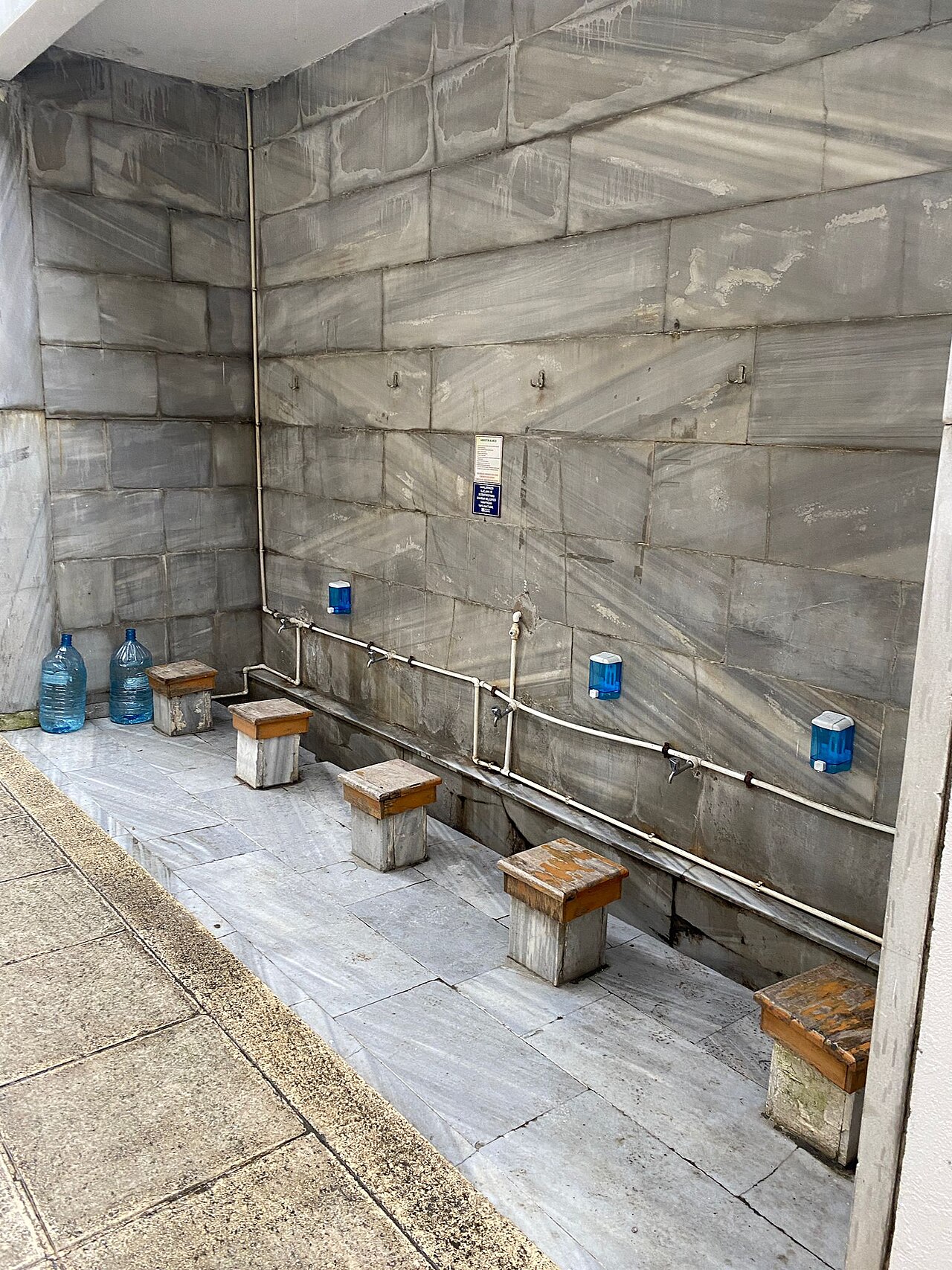

التصوير الفوتوغرافي
The exterior is the picture worth planning for, and afternoon light works best — the square is open enough that a low sun rakes across the masonry rather than flattening it.
The real reward is two hundred metres away. Salacak's waterfront gives you the Maiden's Tower in the near water and the old-city skyline behind it, so the sensible sequence is mosque, then shore, then coffee. Inside, ask before raising a camera, never use flash, and do not photograph people at prayer. A single frame from the doorway showing the depth of the room is more honest than a phone panorama swept across a space somebody is using.
تم التحقق 2026-08-24
الأسئلة الشائعة
Is this the same İmrahor Mosque as the Byzantine Stoudios monastery?
No. They are two different buildings that share a nickname. The Stoudios monastery church, founded in 462 and converted by Bayezid II's equerry Ilias Bey, is a roofless ruin in Koca Mustafa Paşa on the European side, properly İmrahor İlyas Bey Camii. This one is an Ottoman mosque of 1597–1598 in Salacak, Üsküdar, on the Asian side.
What are the opening hours?
None are published. Üsküdar Belediyesi's mosque directory, its reopening announcement, istanbul.diyanet.gov.tr, camiler.diyanet.gov.tr and the Directorate General of Foundations were all checked and none lists a visiting timetable. As a working mosque, access follows the five daily prayers, which shift through the year rather than sitting at fixed times.
Is there an entrance fee?
No price is published and no page states free entry either, so no figure is quoted here. The building has no ticket office, no turnstile and no booking channel of any kind.
How long should I allow for a visit?
Fifteen minutes. It is a single prayer hall of about 185 square metres with no galleries and no exhibition, so the visit is entering, looking, and leaving. It works best as a stop on a Salacak shore walk rather than as a trip of its own.
Who built the mosque and when?
Mehmet Ağa, the imrahor — stable master — of Sinan Paşa, commissioned it, and it was built between 1597 and 1598. The title of that office gave the mosque and the square in front of it their name. Mehmet Ağa's own burial place is not recorded.
Has the mosque been restored recently?
Yes. Üsküdar Municipality, the Istanbul Governorate and the Ministry of Culture and Tourism's Directorate General of Foundations restored it together. Work began in 2024, took thirteen months, and the mosque reopened for worship on 13 February 2025.
أين هو
جاري تحميل الخريطة التفاعلية…
تعذر تحميل الخريطة التفاعلية.
قريب
ضعها في خطة
روابط خارجية
آخر تحديث:
المصدر: مساهمو OpenStreetMap, Wikidata ·