أثر تاريخي · سول
Hwangudan
환구단
صورة فوتوغرافية


- اليوم
- ساعات العمل غير مسجلة
- مدة الزيارة
- 45 د
- إمكانية الوصول
- غير مسجّل
- السعر
- غير مسجّل
- المكانة
- مرتفع · موقع التراث
- رتبة
- الرتبة 68 من 9,921
نبذة عن Hwangudan
Hwangudan, known locally as 환구단, is a historic altar site located in Seoul, South Korea. The name translates to Altar of Heaven or Round Mound Altar, reflecting its original ceremonial purpose. It was historically used by Korean monarchs for rituals worshipping Heaven, most notably during the Joseon dynasty. The site represents an important layer of Seoul's imperial and religious heritage, though its current form differs from original constructions. Visitors encounter a reconstructed monument complex rather than fully preserved ancient architecture.
تم التحقق 2026-08-26
ماذا يوجد بالداخل
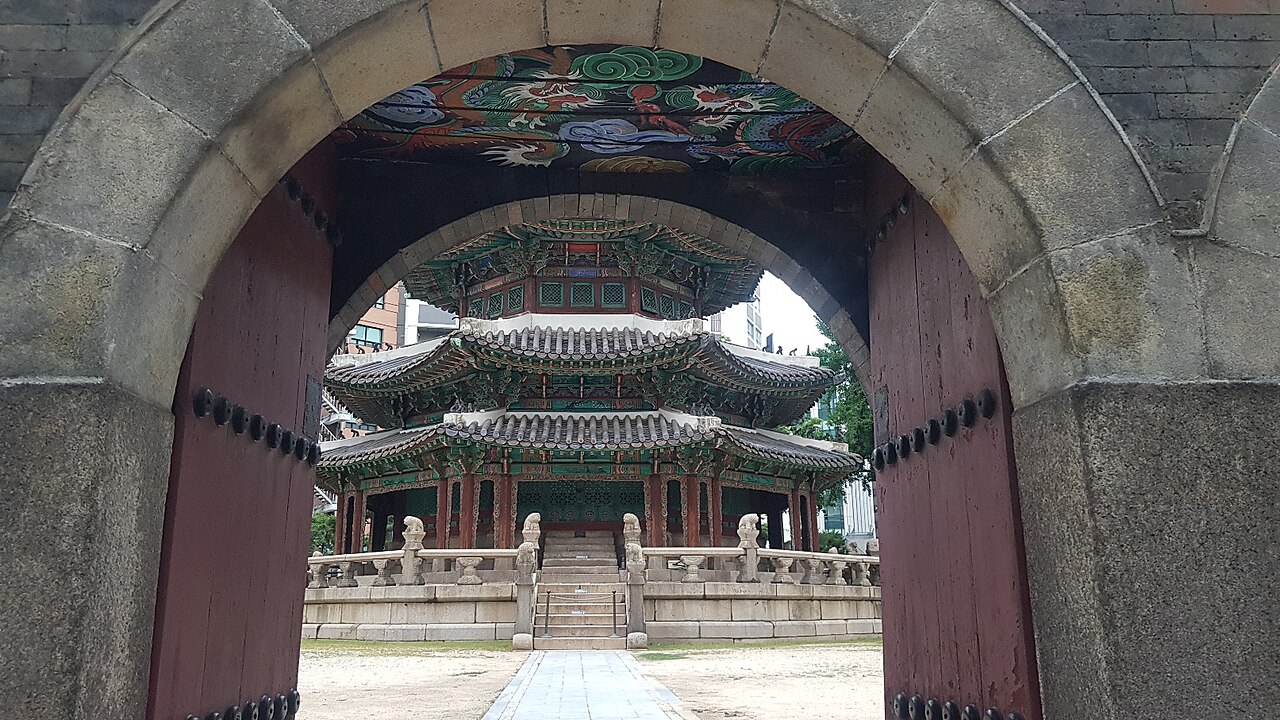
The Hwangudan complex contains stone altar structures and commemorative monuments that mark the ceremonial function of the site. A prominent feature is the Hwangungu Shrine, built in 1897 during the short-lived Korean Empire period. The compound includes stone gateways, ritual platforms, and inscribed steles documenting its historical significance. The surrounding area has been incorporated into modern urban development, with the preserved elements standing in contrast to contemporary Seoul. The physical remains are relatively compact, requiring visitors to appreciate symbolic and historical value over extensive architectural display.
تم التحقق 2026-08-26


المدة المقترحة للزيارة
A thorough visit to Hwangudan typically requires between thirty minutes and one hour. The site occupies limited physical space, so extended exploration is not possible within the monument enclosure itself. Visitors often combine this destination with nearby attractions in central Seoul to construct a fuller itinerary. The duration depends on individual interest in reading inscriptions, examining architectural details, and contemplating historical context. Photography and brief contemplation extend visits marginally. Most travelers allocate minimal time here relative to major palace complexes elsewhere in the city.
تم التحقق 2026-08-26


الموسم والحشود
Operator-confirmed hours are Not recorded pending review. Visitors should verify current accessibility before planning a specific visit, as the site may have restricted entry times or seasonal variations in management. The outdoor nature of the monument suggests daytime visitation is preferable for visibility and safety. Seoul experiences distinct seasons, with summer humidity and winter cold potentially affecting comfort. Spring and autumn generally offer moderate temperatures favorable to outdoor heritage exploration. No special events or ceremonies are documented as regularly occurring at this reconstructed site.
تم التحقق 2026-08-26
التذاكر
Operator-confirmed prices are Not recorded pending review. The monument's status and management structure remain undocumented in available sources, making fee determination impossible. Some heritage sites in Seoul operate without admission charges, particularly smaller monuments integrated into urban spaces, while others require modest payments. Visitors should prepare for either possibility and confirm current policy through official Seoul tourism channels or on-site signage. No advance booking systems or combination ticket arrangements have been verified for Hwangudan specifically. Hwangudan also earns time in a seoul itinerary because Exact production identity assigned through pois.city_place_id; stored names and coordinates were copied without approximation. Its value becomes clearer when the stop is compared with the surrounding streets and the other ranked places nearby.
تم التحقق 2026-08-26

.jpg)
الوصول إلى هناك
Hwangudan occupies a central Seoul location within the Jung-gu district, historically and administratively significant. The site sits near City Hall and the former Seoul Station area, well-served by metropolitan transportation. Multiple subway lines converge in this district, with walking connections probable from several stations. Exact nearest exits and walking durations are not recorded. Bus networks cover the surrounding area extensively. The central positioning makes taxi and rideshare services readily available. Visitors familiar with Seoul's urban grid should locate the monument without exceptional difficulty.
تم التحقق 2026-08-26


ما يجب الحذر منه
The monument's integration into dense urban fabric creates awareness considerations. Traffic and pedestrian congestion characterize the surrounding district, requiring caution when approaching and departing. The site lacks the buffered grounds of larger palace complexes, limiting contemplative atmosphere. Structural elements are historic reconstructions rather than original fabric, affecting interpretive expectations. No specific hazards are documented, but standard urban vigilance applies. Respectful conduct is appropriate given ceremonial origins, even without active religious function. Informational signage may be limited to Korean language, challenging independent interpretation for non-Korean readers.
تم التحقق 2026-08-26

التصوير الفوتوغرافي
Photography appears permissible at this outdoor heritage site, though no explicit policies are documented. The compact scale and urban surroundings create compositional challenges for capturing monument dignity. Early or late daylight may improve photographic conditions and reduce background distraction from surrounding development. Tripod use would likely attract attention in this central location and may require permission. Interior or covered elements, if accessible, may have separate restrictions. Visitors should observe any posted guidance and exercise discretion regarding other visitors' privacy in confined spaces.
تم التحقق 2026-08-26
الأسئلة الشائعة
Is Hwangudan an original Joseon dynasty structure for Hwangudan in Seoul?
No. The current structures are reconstructions and later additions, notably including the Hwangungu Shrine from 1897. Original Joseon-era altar elements were destroyed or removed during historical upheavals including Japanese colonial period transformations.
Can I participate in ceremonies at Hwangudan for Hwangudan in Seoul?
Not recorded. No regularly scheduled public ceremonies are documented for this reconstructed site. The original imperial ritual function ended with the dissolution of the Korean Empire.
Is Hwangudan inside a larger museum complex for Hwangudan in Seoul?
Not recorded. The monument appears to stand as an independent site within urban surroundings rather than being enclosed within a museum campus with unified ticketing.
Are English explanations available on-site for Hwangudan in Seoul?
Not recorded. Visitors should not assume comprehensive English signage or interpretive materials. Independent research or guided assistance may enhance understanding.
How does Hwangudan compare to Beijing's Temple of Heaven for Hwangudan in Seoul?
Hwangudan is substantially smaller and less architecturally elaborate than Beijing's comparable complex. Both served Heaven-worship functions, but Seoul's site was historically secondary and is now more fragmented in preservation.
Is the surrounding area historically significant for Hwangudan in Seoul?
Yes. The Jung-gu district contains multiple heritage layers including colonial-era architecture, former royal administrative zones, and modern Korean governance centers, offering extended exploration possibilities.
أين هو
جاري تحميل الخريطة التفاعلية…
تعذر تحميل الخريطة التفاعلية.
قريب
ضعها في خطة
روابط خارجية
آخر تحديث:
المصدر: مساهمو OpenStreetMap, Wikidata ·