أثر تاريخي · سيام ريب
Phnom Bok
صورة فوتوغرافية

- اليوم
- ساعات العمل غير مسجلة
- مدة الزيارة
- 45 د
- إمكانية الوصول
- غير مسجّل
- السعر
- غير مسجّل
- المكانة
- يجب رؤيته
- رتبة
- الرتبة 42 من 1,053
نبذة عن Phnom Bok
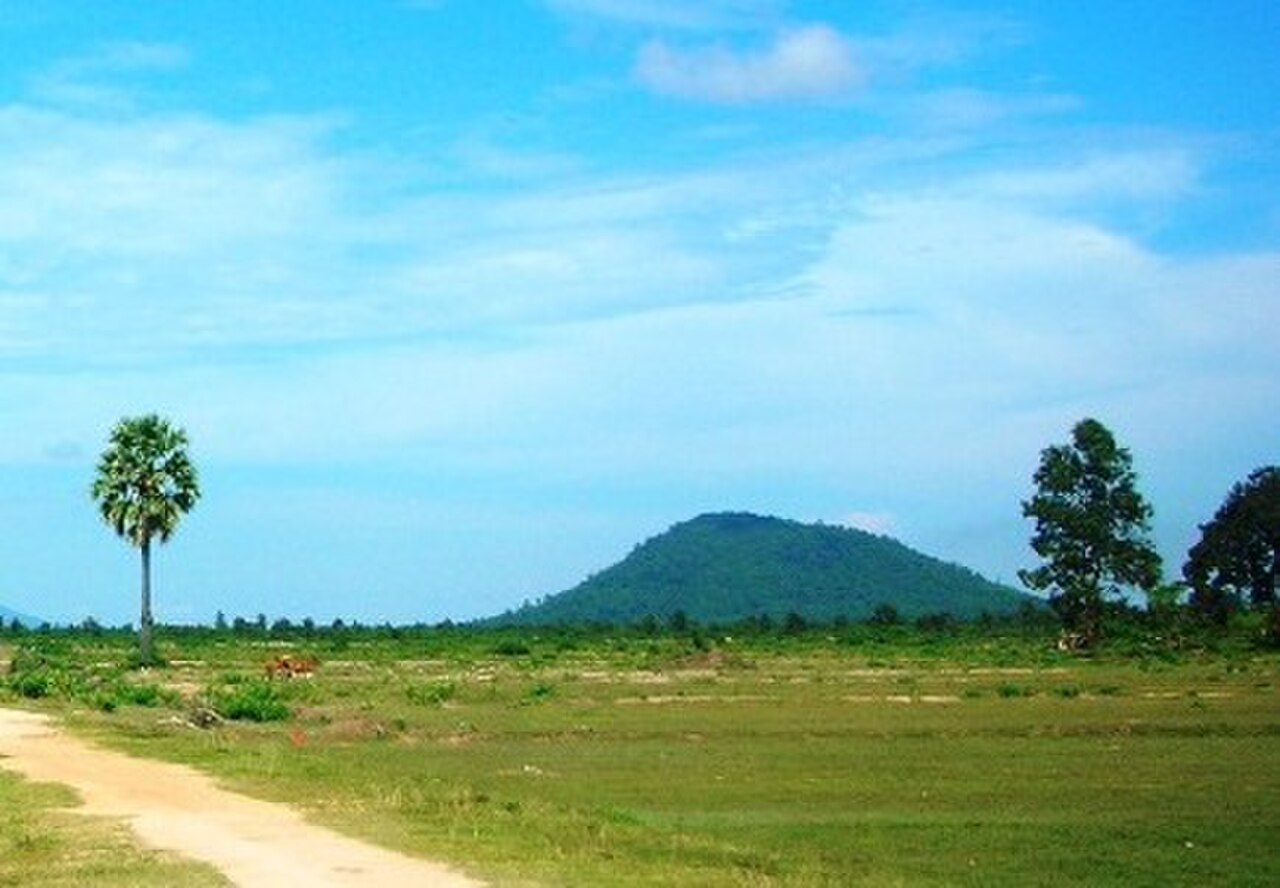
Phnom Bok is a hilltop temple site located northeast of Siem Reap in Cambodia. The temple sits atop Phnom Bok mountain, one of three hilltop temples built during the reign of King Yasovarman I in the late 9th century. The site forms part of the broader Angkorian archaeological landscape. The temple was constructed in the Bakheng style and dedicated to the Hindu trinity of Brahma, Vishnu, and Shiva. The Apsara National Authority manages the site as part of Cambodia's protected cultural heritage. Visitors encounter a moderately challenging climb to reach the summit structures.
تم التحقق 2026-08-26
ماذا يوجد بالداخل
The summit contains temple ruins including three sanctuary towers that once housed statues of the Hindu trimurti. Laterite walls and doorways remain visible. The central tower has partially collapsed, and vegetation encroaches upon the stonework. A modern Buddhist shrine operates near the ancient structures. The hilltop affords views across the surrounding flat countryside toward the Tonle Sap lake and distant temple complexes. Small caves exist in the cliff face below the summit. The Apsara Authority source notes the site's archaeological significance without enumerating specific interior features or conservation status details.
تم التحقق 2026-08-26


المدة المقترحة للزيارة
Visitors should allocate approximately two to three hours for a complete visit to Phnom Bok. The ascent requires roughly thirty to forty-five minutes of steady climbing on stone and dirt pathways with uneven steps. The descent takes somewhat less time. Time at the summit for temple exploration, shrine observation, and viewing depends on individual pace and interest. The relative isolation from central Siem Reap means additional transit time must be factored into overall scheduling. Combined visits with nearby attractions may extend the excursion substantially.
تم التحقق 2026-08-26
الموسم والحشود
Dry season months from November through March generally offer more favorable conditions for the exposed climb, though specific seasonal recommendations are not recorded in the available source. Early morning and late afternoon hours may reduce sun exposure during the ascent. The site lacks published opening or closing times in the supplied context. Visitors should verify current access arrangements before travel, as management practices may have changed. Weather conditions during wet season months could render pathways slippery and visibility reduced. Check the operator's own site for the travel date before relying on a schedule or fare.
تم التحقق 2026-08-26


التذاكر
The Apsara Authority source does not specify admission fees or ticketing requirements for Phnom Bok. The site may operate under the broader Angkor Pass system governing major archaeological zones, or it may require separate local arrangements. Visitors should not assume standard Angkor ticket validity without verification. Payment methods, currency requirements, and any supplementary charges remain undocumented in available materials. Advance confirmation through official channels or local tourism offices is advisable before planning budget allocations for this destination. Check the operator's own site for the travel date before relying on a schedule or fare.
تم التحقق 2026-08-26


الوصول إلى هناك
Phnom Bok lies approximately twenty-five kilometers northeast of Siem Reap city center. Road access reaches the base of the hill, after which visitors must proceed on foot. The route passes through rural settlements and rice cultivation areas. Motorized transport options include hired car, motorbike taxi, or tuk-tuk arrangements through accommodation providers or transport services. No public transportation service is documented. Road conditions vary seasonally. Self-directed navigation requires adequate preparation as signage may be limited. Travelers should confirm return transport arrangements, as the site receives fewer visitors than major temples and onward options may be constrained.
تم التحقق 2026-08-26
ما يجب الحذر منه
The climb involves steep, uneven stone steps with variable surface conditions and limited handholds in sections. Proper footwear with grip is essential. No safety infrastructure such as railings is mentioned in available sources. Sun exposure is significant with minimal shade during ascent. Carrying adequate water is necessary as no vendors are documented at the summit. Remote location means limited immediate assistance for injury or illness. Wildlife encounters including snakes are possible in vegetated areas. Visitors should remain on established paths to avoid unstable terrain and respect archaeological integrity. Mobile phone signal reliability is unverified.
تم التحقق 2026-08-26


التصوير الفوتوغرافي
The summit elevation provides panoramic landscape photography opportunities across the Cambodian countryside. The temple ruins offer architectural subjects in various states of preservation, with vegetation integration creating textured compositions. Lighting conditions favor early morning and late afternoon for reduced harsh shadows. The Buddhist shrine requires appropriate respectful conduct if photographing active religious practice. No specific photography restrictions are documented, though standard archaeological site protocols apply. Drone operation would require separate authorization. Equipment protection from dust and humidity is advisable. The climb limits practical carrying capacity for extensive gear.
تم التحقق 2026-08-26
الأسئلة الشائعة
Is Phnom Bok part of the main Angkor Archaeological Park for Phnom Bok in Siem Reap?
Phnom Bok is not among the principal monuments of the central Angkor Archaeological Park. It belongs to the broader Angkorian temple network but lies at significant distance from the concentrated temple zones near Siem Reap. The site receives comparatively fewer visitors.
How difficult is the climb to the temple for Phnom Bok in Siem Reap?
The ascent requires moderate physical effort over steep, uneven stone and dirt pathways. The climb takes approximately thirty to forty-five minutes. Individuals with mobility limitations, cardiovascular conditions, or balance concerns should evaluate suitability carefully. Proper footwear is essential.
Are there food or water facilities at the site for Phnom Bok in Siem Reap?
No food or water facilities are documented in the available source. Visitors must carry sufficient provisions, particularly water for the exposed climb. The rural location means no reliable nearby commercial services.
Can Phnom Bok be combined with other temple visits for Phnom Bok in Siem Reap?
The northeastern location permits logical combination with other remote Angkorian sites such as Phnom Krom or Roluos group temples, depending on transport arrangements and time allocation. Specific routing requires local verification.
Is a guide necessary for visiting Phnom Bok for Phnom Bok in Siem Reap?
No guide requirement is documented. The site's relative simplicity and limited interpretive infrastructure may reduce guide utility compared to more complex temple complexes. Self-guided exploration is feasible with adequate preparation.
What is the conservation status of the temple structures for Phnom Bok in Siem Reap?
The Apsara National Authority manages the site, indicating official protective status. Specific conservation interventions, stabilization work, or restoration phases are not detailed in the available source. The ruins show significant deterioration and vegetation encroachment.
أين هو
جاري تحميل الخريطة التفاعلية…
تعذر تحميل الخريطة التفاعلية.
قريب
ضعها في خطة
روابط خارجية
آخر تحديث:
المصدر: مساهمو OpenStreetMap, Wikidata ·