أثر تاريخي · طوكيو
Edo Castle
天守台
صورة فوتوغرافية

- اليوم
- ساعات العمل غير مسجلة
- مدة الزيارة
- 45 د
- إمكانية الوصول
- غير مسجّل
- السعر
- غير مسجّل
- المكانة
- يجب رؤيته · موقع التراث
- رتبة
- الرتبة 42 من 22,494
نبذة عن Edo Castle
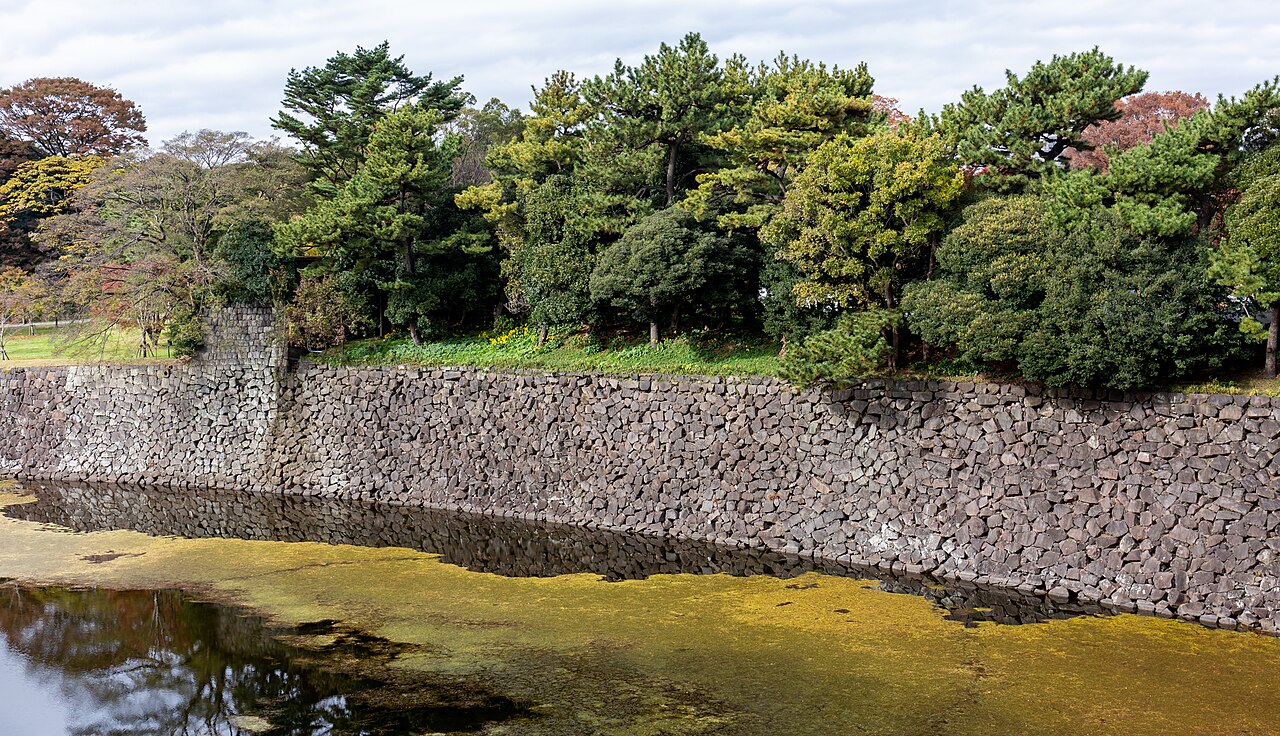
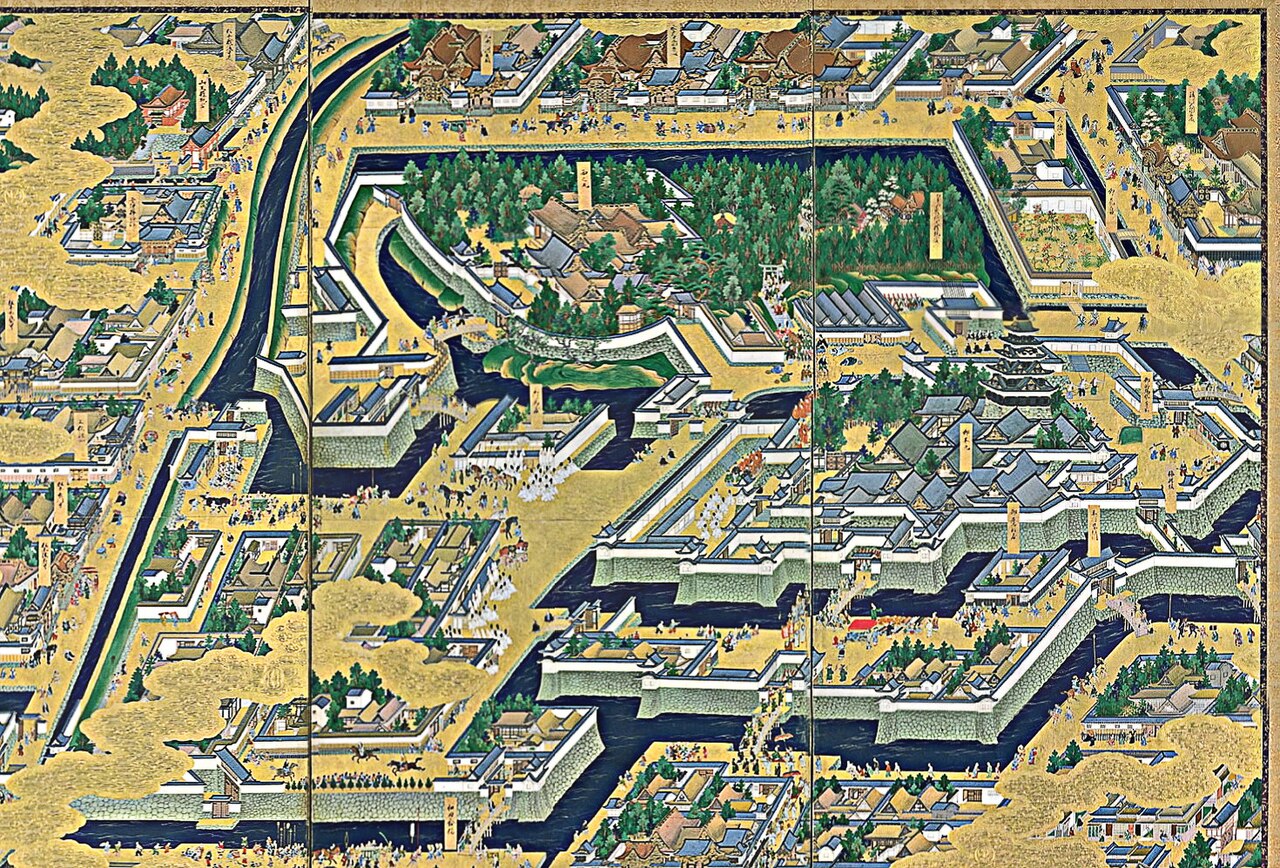
Edo Castle, known locally as 天守台, stands as the historic fortress at the heart of Tokyo. Once the seat of the Tokugawa shogunate from 1603 to 1868, this site shaped Japan's political destiny for over two centuries. The castle occupied vast grounds that now form the Imperial Palace East Gardens. The original donjon tower no longer survives; only its stone foundation base remains visible. The location marks where shoguns exercised military and civil authority over a unified Japan. Today, visitors encounter substantial stone walls, moats, and reconstructed gate structures that convey the scale of this former administrative center.
تم التحقق 2026-08-28
ماذا يوجد بالداخل
The principal remaining feature is the stone foundation platform of the former tenshu, or main keep. Extensive stone ramparts encircle the site, demonstrating sophisticated Edo-period fortification techniques. Several original gates survive, including the imposing Otemon Gate. The Ninomaru and Sannomaru garden areas occupy portions of the former castle grounds. The modern Imperial Palace complex occupies the innermost citadel area, restricting general public access to that zone. Stone markers and explanatory plaques indicate historical building locations. The East Gardens contain landscaped areas, guardhouses, and archaeological remnants. No reconstructed main tower exists at this location, distinguishing it from castles at Osaka or Nagoya.
تم التحقق 2026-08-28
المدة المقترحة للزيارة
Visitors typically allocate between ninety minutes and two hours for exploring the accessible East Gardens and castle perimeter. The extensive stone walls and multiple gate structures reward unhurried examination. Those with strong historical interest may extend their visit to three hours, reading all available signage and circumnavigating the full moat circuit. The inner palace grounds remain inaccessible without special arrangement, limiting thorough exploration. Photography enthusiasts and history specialists should budget additional time. The surrounding Kitanomaru Park and outer moat areas permit further walking. Seasonal garden variations may influence visit duration for botanical observers.
تم التحقق 2026-08-28

الموسم والحشود
Operator-confirmed hours are Not recorded pending review. The Imperial Palace East Gardens maintain seasonal access variations that visitors should verify through official channels before planning. Spring cherry blossom periods and autumn foliage seasons attract increased visitor numbers throughout surrounding garden areas. Summer months bring heat and humidity that may affect comfort during extended wall-top walking. Winter offers clearer atmospheric conditions for photography of stone architecture. Morning visits generally provide more favorable lighting for visual documentation and reduced crowding at popular vantage points. Special public opening events for the inner palace occur on select dates announced by the Imperial Household Agency.
تم التحقق 2026-08-28
التذاكر
Operator-confirmed prices are Not recorded pending review. The Imperial Palace East Gardens historically maintained free admission policies, though visitors must confirm current arrangements through official sources. No ticket purchase infrastructure is prominently visible at standard garden entrances. Special guided tour programs for restricted areas may involve separate arrangements and potential fees requiring advance inquiry. The surrounding outer grounds and moat-side promenades remain freely accessible public spaces. Any commercial tour operators offering castle history programs establish independent pricing structures. Visitors should carry identification for security checkpoint passage where implemented. Donation boxes for garden maintenance may be present at some facilities.
تم التحقق 2026-08-28
الوصول إلى هناك
The site occupies central Tokyo, accessible through multiple rail and subway stations. Otemachi Station serves multiple subway lines immediately adjacent to the East Gardens entrance. Tokyo Station, a major Shinkansen and conventional rail hub, lies within comfortable walking distance to the southeast. Nijubashimae Station and Takebashi Station provide additional nearby access points. Bus services operate along surrounding major avenues. The castle perimeter forms a substantial area; specific entrance selection should match intended garden section. Signage in Japanese and English directs visitors from principal transit nodes. Pedestrian navigation through the surrounding business district presents minimal difficulty during daylight hours.
تم التحقق 2026-08-28


ما يجب الحذر منه
Security screening procedures may operate at garden entrances, requiring bag inspection. The inner palace grounds remain strictly off-limits without authorized guided tour participation. Stone walls and moat edges lack protective barriers in some sections; height exposure warrants caution, particularly for children. Uneven paving surfaces and stairways demand appropriate footwear. Weather exposure is substantial along elevated walkway sections with minimal shelter. Drinking water availability within the gardens appears limited based on visible infrastructure. Mobile telephone and photography restrictions may apply near security-sensitive zones. Visitor facilities including restrooms concentrate at entrance areas rather than distributing throughout the extensive grounds.
تم التحقق 2026-08-28
التصوير الفوتوغرافي
The massive stone ramparts and moat reflections provide compelling structural subjects. The tenshu foundation platform offers a central compositional anchor. Early morning directional light enhances wall texture definition. Overcast conditions reduce harsh shadow contrast across stonework. Spring sakura frames historical architecture seasonally. Tripod usage may face restrictions at security-conscious locations. The modern city skyline visible beyond walls creates deliberate historical-contemporary juxtapositions. Wide-angle lenses accommodate the imposing scale of fortifications. Details of stone joinery and weathering reward close examination. The absence of a reconstructed tower eliminates conventional castle photography conventions, requiring creative engagement with surviving fabric. Evening illumination of exterior walls is not consistently maintained.
تم التحقق 2026-08-28
الأسئلة الشائعة
Is the original castle tower still standing?
No. The main keep, or tenshu, was destroyed. Only its stone foundation base remains visible at the site.
Can visitors enter the inner palace grounds?
The inner palace area has restricted access. Special guided tours may be available through official channels with advance arrangement.
What is the local name for this site?
The local name is 天守台, referring to the foundation platform of the former main tower.
Are there admission fees for the East Gardens?
Operator-confirmed prices are Not recorded pending review. Visitors should verify current arrangements through official sources before visiting.
How much time should be allocated for a visit?
Most visitors spend ninety minutes to two hours. Those with strong historical interest may extend to three hours.
What transportation options reach the site?
Otemachi Station, Tokyo Station, Nijubashimae Station, and Takebashi Station all provide access within walking distance.
أين هو
جاري تحميل الخريطة التفاعلية…
تعذر تحميل الخريطة التفاعلية.
قريب
ضعها في خطة
روابط خارجية
آخر تحديث:
المصدر: مساهمو OpenStreetMap, Wikidata ·