نقطة منظر · كيوتو
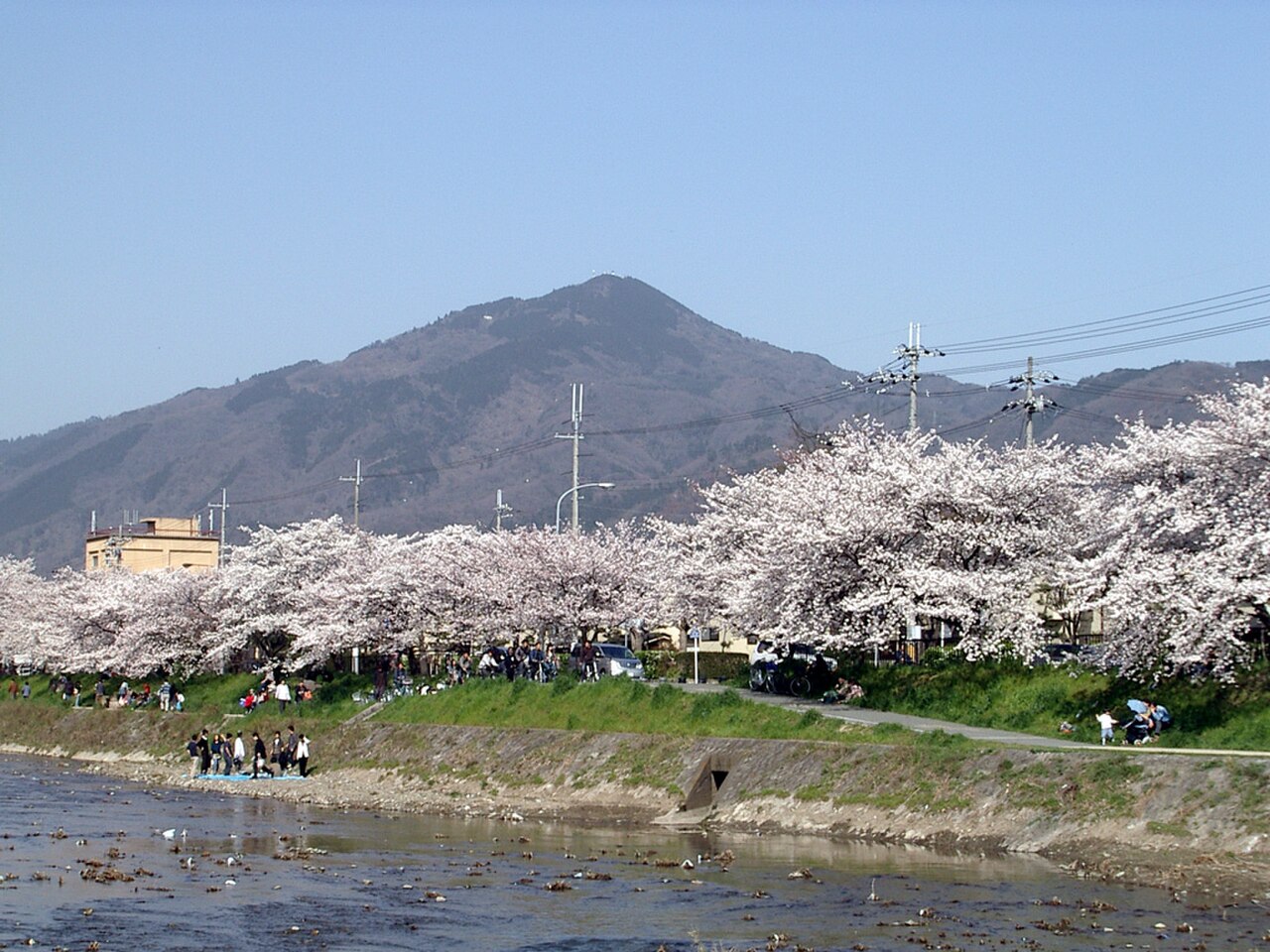
Mount Hiei
比叡山
صورة فوتوغرافية

- اليوم
- ساعات العمل غير مسجلة
- مدة الزيارة
- 20 د
- إمكانية الوصول
- غير مسجّل
- السعر
- غير مسجّل
- المكانة
- يجب رؤيته
- رتبة
- الرتبة 64 من 10,060
نبذة عن Mount Hiei
Mount Hiei is a mountain located northeast of Kyoto, Japan, straddling the border between Kyoto Prefecture and Shiga Prefecture. The local name is 比叡山. It stands as a significant religious and historical site, serving as the headquarters of the Tendai school of Buddhism. The mountain has been a center of Buddhist learning and practice for over twelve centuries. Its elevation and forested terrain have made it an important spiritual retreat. The Wikidata entry Q748040 identifies it as a mountain with notable religious associations.
تم التحقق 2026-08-28
ماذا يوجد بالداخل
The mountain complex contains Enryaku-ji, a vast temple system founded in 788 CE by Saicho, the monk who established Tendai Buddhism in Japan. The temple grounds are divided into three main areas: Todo, Saito, and Yokawa. Numerous sub-temples, halls, and religious structures are scattered across the mountainside. The area includes both active places of worship and historic buildings of cultural significance. Forested paths connect various religious sites. The OpenStreetMap node indicates this is a place of worship with tourism relevance. Specific current building conditions and access restrictions are Not recorded.
تم التحقق 2026-08-28

المدة المقترحة للزيارة
Visitors should plan for a substantial time commitment when exploring Mount Hiei. The temple complex covers extensive terrain across multiple zones, requiring considerable walking between sites. A thorough visit to all three main areas would demand most of a day. Even a focused visit to selected portions typically requires several hours. Travel time to and from central Kyoto must be factored into planning. The mountain's elevation and spread-out nature mean that rushing through is impractical. Visitors with limited mobility or time should research which areas best match their interests and physical capabilities before ascending.
تم التحقق 2026-08-28


الموسم والحشود
Mount Hiei can be visited throughout the year, with seasonal variations in atmosphere and accessibility. Spring brings cherry blossoms and fresh greenery. Summer offers cooler temperatures at elevation though humidity persists. Autumn presents fall foliage across the forested slopes. Winter may bring snow at higher elevations, potentially affecting access routes. Visitors should verify current temple opening times, seasonal schedules, and any weather-related access restrictions through official sources before traveling. Dawn and dusk visits may be restricted or impractical depending on transportation schedules and temple operations. Check the operator's own site for the travel date before relying on a schedule or fare.
تم التحقق 2026-08-28
التذاكر
Admission to temple areas on Mount Hiei typically requires payment, though specific pricing structures vary by zone and may change. Combination tickets for multiple areas may be available. Some individual sub-temples may charge separate fees. Prices for cable car or ropeway access, if used for ascent, are additional considerations. Visitors should carry sufficient cash as rural religious sites may not accept card payments. Budget for transportation costs to the mountain base plus any ascent fees. Check official temple or tourism websites for current fee structures before visiting. Check the operator's own site for the travel date before relying on a schedule or fare.
تم التحقق 2026-08-28


الوصول إلى هناك
Mount Hiei is accessible from both Kyoto and Shiga sides. From Kyoto, options include the Eizan Railway followed by cable car or ropeway, or bus services. From the Shiga side, the Sakamoto Cable provides access. Hiking trails also lead up the mountain for those prepared for significant elevation gain. The OpenStreetMap node location should be consulted for precise positioning. Private vehicle access may be limited or restricted. Visitors should verify current transportation schedules as services may be reduced seasonally or on certain days. Journey planning requires attention to connection times between different transport modes.
تم التحقق 2026-08-28


ما يجب الحذر منه
The mountain environment demands appropriate preparation. Weather conditions can change rapidly at elevation. Trails may be steep, uneven, or slippery. Proper footwear is essential. Wildlife encounters are possible in forested areas. Some temple buildings may have restricted access, photography prohibitions, or behavior requirements. Respectful conduct is expected at active religious sites. Facilities may be limited between major temple zones. Mobile phone coverage may be inconsistent. Visitors should carry water and basic supplies. Emergency services access is more challenging than in urban Kyoto. Solo hikers should inform others of their plans. Physical fitness should match chosen routes.
تم التحقق 2026-08-28


التصوير الفوتوغرافي
Photography opportunities on Mount Hiei include temple architecture, mountain vistas, forest landscapes, and seasonal natural features. However, restrictions apply. Many temple interiors prohibit photography entirely. Some buildings may permit exterior photography only. Tripod use may be restricted. Flash photography is typically forbidden near religious artifacts. Visitors must observe posted signs and staff instructions. Respect for worshippers takes priority over photography. Early morning and late afternoon offer favorable natural lighting for exterior shots. Weather conditions significantly affect visibility for landscape photography. Drone use would require checking regulations for both cultural property protection and aviation restrictions in this border area between prefectures.
تم التحقق 2026-08-28
الأسئلة الشائعة
Is Mount Hiei a single temple or multiple sites?
Mount Hiei contains Enryaku-ji, a vast temple complex spread across three main zones: Todo, Saito, and Yokawa. These areas contain numerous individual buildings and sub-temples rather than one centralized structure.
Can Mount Hiei be visited as a day trip from Kyoto?
Yes, though it requires substantial time. The combination of transportation to the mountain base, ascent, visiting temple areas, and return journey means a full day should be allocated for meaningful exploration.
Are there hiking trails on Mount Hiei?
Yes, hiking trails exist. However, specific trail conditions, difficulty ratings, and current maintenance status are Not recorded. Visitors should verify current trail status and prepare appropriately for mountain hiking.
Is Mount Hiei accessible in winter?
Winter access depends on weather conditions and transportation operations. Snow at elevation may affect both hiking trails and cable car services. Current seasonal schedules should be confirmed before visiting.
Are English information materials available?
Availability of English signage, pamphlets, or guided information is Not recorded. Visitors should not assume comprehensive English support at this religious site outside major urban tourism infrastructure.
Can Mount Hiei be combined with Lake Biwa visits?
The Shiga Prefecture side of Mount Hiei overlooks Lake Biwa. Geographic proximity allows potential combination, though specific logistics, transportation connections, and time requirements for such itineraries are Not recorded.
أين هو
جاري تحميل الخريطة التفاعلية…
تعذر تحميل الخريطة التفاعلية.
قريب
ضعها في خطة
روابط خارجية
آخر تحديث:
المصدر: مساهمو OpenStreetMap, Wikidata ·