متحف · بودابست
Hungarian Natural History Museum
Magyar Természettudományi Múzeum
مغلق اليوم، الاثنين. بعد ذلك، افتح الثلاثاء في 09:00 — لن يضع المخطط نقطة توقف هنا في الاثنين.
خطط حولهصورة فوتوغرافية


ساعات العمل
| الاثنين | مغلق |
|---|---|
| الثلاثاء | 09:00 – 17:00 |
| الأربعاء | 09:00 – 17:00 |
| الخميس | 09:00 – 17:00 |
| الجمعة | 09:00 – 17:00 |
| السبت | 09:00 – 17:00 |
| الأحد | 09:00 – 17:00 |
تم التحليل من ساعات عمل OpenStreetMap في 2026-08-26.
- اليوم
- مغلق اليوم
- مدة الزيارة
- 1 س 30 د
- إمكانية الوصول
- غير مسجّل
- السعر
- غير مسجّل
- المكانة
- يجب رؤيته
- رتبة
- الرتبة 64 من 7,194
نبذة عن Hungarian Natural History Museum
The Hungarian Natural History Museum is Hungary's national institution for zoology, botany, anthropology, mineralogy, petrology, geology, and palaeontology. Its origins reach back to 1802, when Count Ferenc Széchényi's national foundation was joined by the mineral collection of his wife, Julianna Festetics. Early growth included a palaeontological gift and a zoological purchase in 1811, followed by Pál Kitaibel's herbarium in 1818. The collections later separated institutionally from the Hungarian National Museum and expanded into research, education, and public exhibitions. The Budapest visitor site occupies part of the historic Ludovika Academy complex at Ludovika tér.
تم التحقق 2026-08-28 · المصدر
ماذا يوجد بالداخل
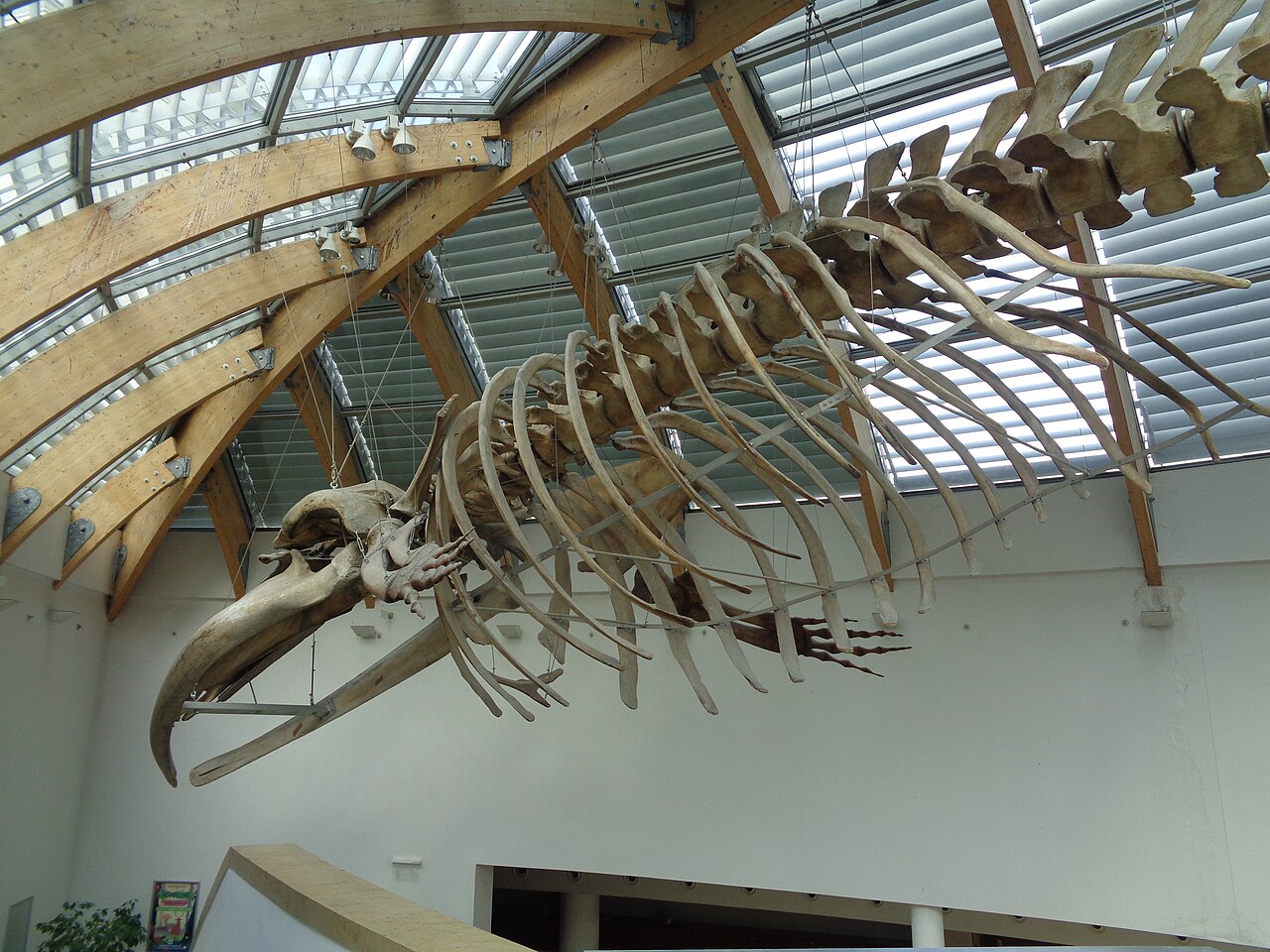
The public museum presents permanent and temporary natural-history exhibitions, while the institution behind them maintains specialist scientific departments and research collections. The permanent programme covers subjects drawn from Hungary's natural environment and deep past, including geological time, palaeontology, minerals, plants, animals, and human-related collections. Not every research holding is displayed: major zoological, botanical, anthropological, geological, palaeontological, mineralogical, and library resources support scholarship behind the scenes. Check the museum's permanent-exhibitions page before visiting because gallery availability and temporary displays can change independently of the institution's much larger stored collections.
تم التحقق 2026-08-28 · المصدر
المدة المقترحة للزيارة
Allow about 90 minutes for a focused visit to the principal public galleries, matching the museum's recorded visit-duration estimate. Families, geology enthusiasts, and visitors reading every label may need longer, especially when a temporary exhibition is added. The scientific collections are far larger than the material on public view, so this is not a complete survey of the institution. Decide which permanent displays matter most before arrival, then treat any temporary exhibition as additional time rather than trying to rush every subject into one circuit.
تم التحقق 2026-08-28 · المصدر
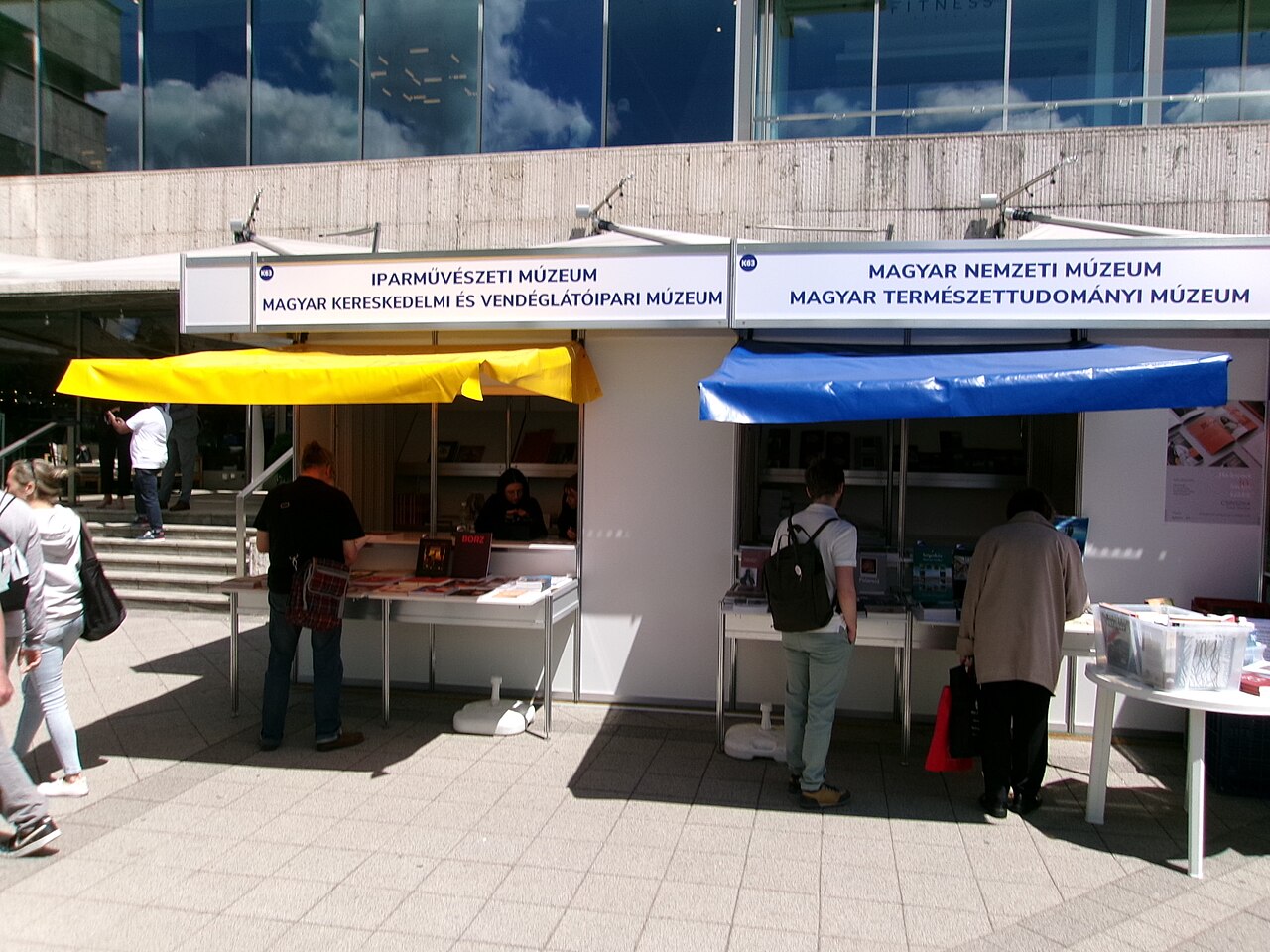

الموسم والحشود
Choose a day when the permanent galleries you want are confirmed open on the museum's official contact and exhibition pages. Exact opening hours are Not recorded in this editorial guide, because a current operator schedule has not been stored as a sourced opening-hours record. The indoor displays make the museum useful in poor weather, but no evidence-based quietest hour is recorded. Check the official page on the day of travel for closures or programme changes, particularly if one temporary exhibition is the main reason for your visit.
تم التحقق 2026-08-28 · المصدر
التذاكر
The museum operates an official online-ticket link, but a current admission amount is Not recorded here because no operator price has been entered into the site's sourced admission table. Buy only through the museum's own linked ticket channel and verify what the selected ticket covers before payment. Temporary exhibitions, concessions, family products, and programme tickets may use different conditions; do not infer their price from the general museum category. If the official checkout and the museum page disagree, confirm directly with the museum before travelling.
تم التحقق 2026-08-28 · المصدر

_(a).jpg)
الوصول إلى هناك
Use the official visitor address, 1083 Budapest, Ludovika tér 2–6, and approach through the Ludovika Academy complex. The museum entrance should be confirmed against current on-site signs because the historic campus contains multiple institutional spaces. Build extra time into the approach if you are unfamiliar with the grounds rather than assuming the first monumental doorway is the public gallery entrance. A specific step-free route, parking arrangement, or public-transport instruction is Not recorded in this guide; consult the museum directly when accessibility determines the visit.
تم التحقق 2026-08-28 · المصدر
ما يجب الحذر منه
Check the museum's current rules and exhibition status before arrival. Natural-history collections can include fragile specimens, light-sensitive material, preserved animals, minerals, and displays with separate handling restrictions, so barriers and staff instructions matter even when an object looks robust. Do not assume research departments or stored collections are part of the public route. Large bags, food, touching, photography, and group conduct should follow the operator's published museum rules. The museum suffered major collection losses during the Second World War and the 1956 revolution; surviving material is scientific evidence, not merely decoration.
تم التحقق 2026-08-28 · المصدر
_(b).jpg)
التصوير الفوتوغرافي
Read the museum's current photography instructions before taking pictures. A single assumption cannot cover permanent specimens, temporary loans, human remains, educational installations, and research material; restrictions may differ by gallery or object. Flash, tripods, video, and commercial use should be treated as unconfirmed until the operator's rules or staff explicitly permit them. For the building, an exterior frame from Ludovika tér can show the museum's setting within the former academy complex. Inside, keep equipment out of circulation routes and never cross a barrier for a cleaner composition.
تم التحقق 2026-08-28 · المصدر
الأسئلة الشائعة
What does the Hungarian Natural History Museum cover?
Its collections and research span zoology, botany, anthropology, mineralogy, petrology, geology, and palaeontology, with selected material presented through permanent and temporary exhibitions.
How old is the museum?
The institution traces its origins to 1802, when the national foundation associated with Count Ferenc Széchényi included Julianna Festetics's mineral collection.
How long should a visit take?
Allow about 90 minutes for a focused visit to the main public galleries, and add time if a temporary exhibition or detailed label reading is important.
Are current opening hours recorded here?
No. Exact hours are Not recorded in this guide; check the museum's official contact page on the day of travel for the current schedule.
Can tickets be bought online?
The museum links to an official online-ticket channel. Current prices and product conditions are Not recorded here, so verify them in the operator's checkout before purchase.
Where is the visitor site?
Use the museum's official address at 1083 Budapest, Ludovika tér 2–6, within the historic Ludovika Academy complex.
أين هو
جاري تحميل الخريطة التفاعلية…
تعذر تحميل الخريطة التفاعلية.
قريب
ضعها في خطة
روابط خارجية
آخر تحديث:
المصدر: مساهمو OpenStreetMap, Wikidata ·