
.jpg)
.jpg)
.jpg)
.jpg)
.jpg)
1 dk yürüyüş
Templo de Debod
- Mutlaka görülmeli
- Tarihi anıt
Dil · 11 yayınlandı
Müze · Madrid
Templo de Debod
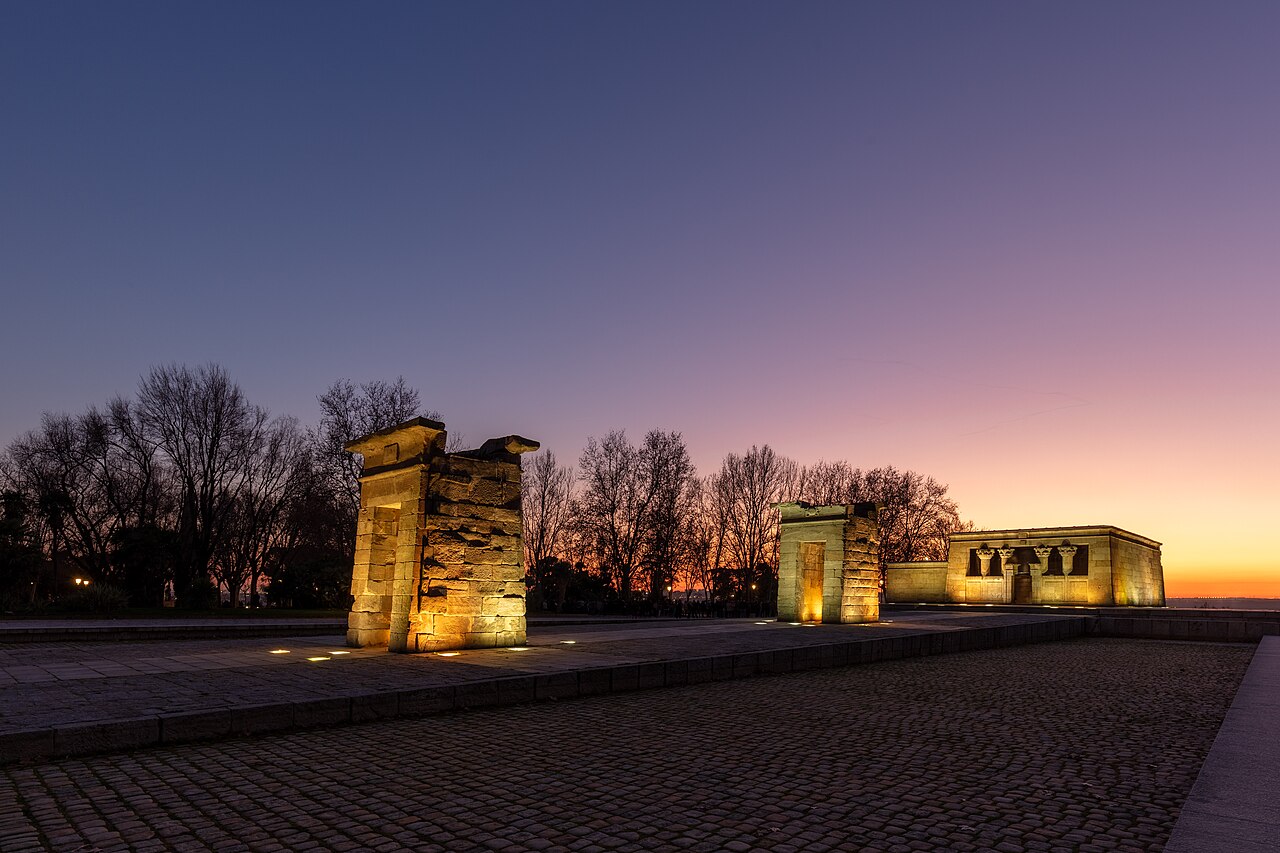
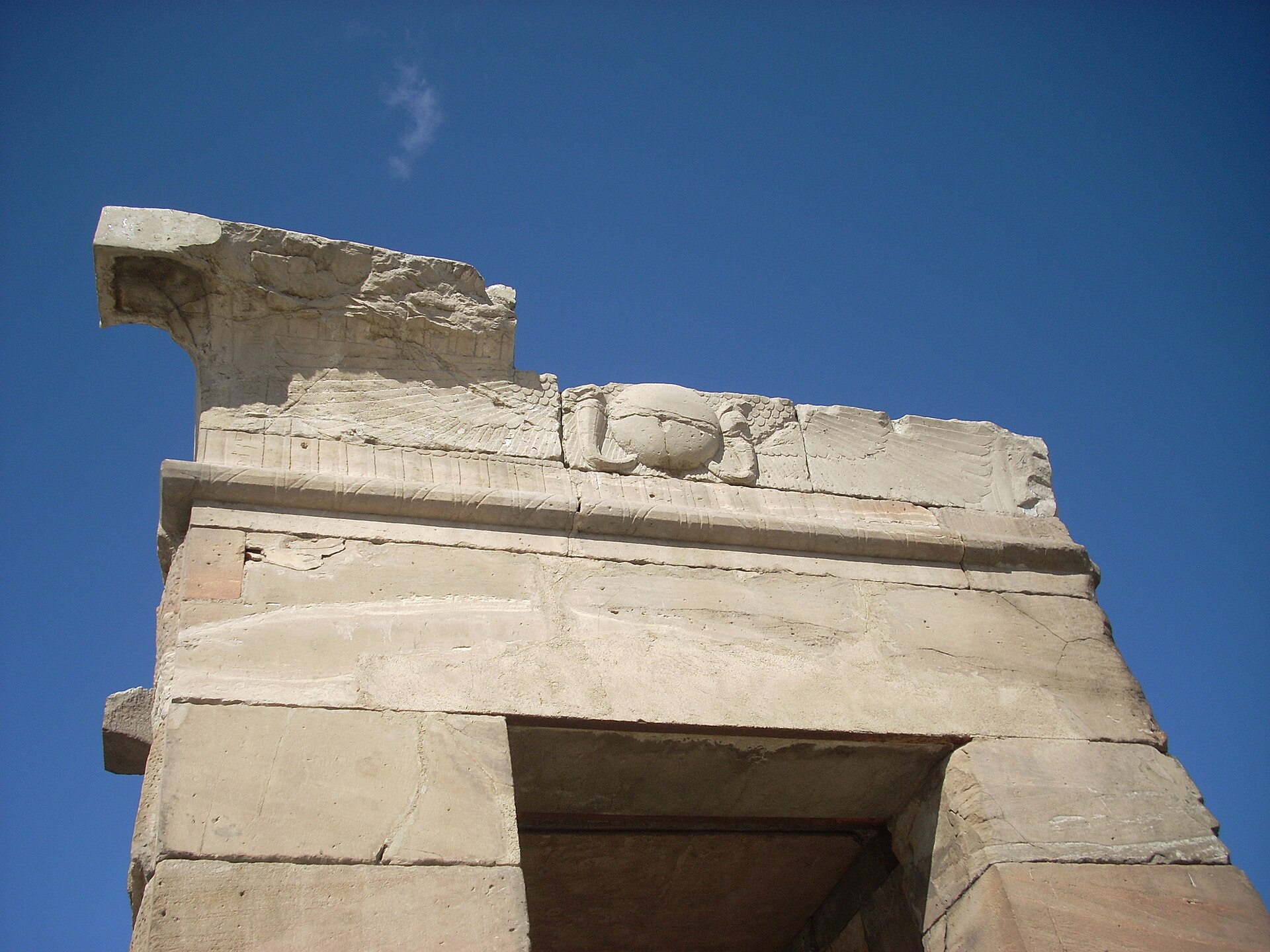
The Temple of Debod is an ancient Egyptian temple relocated to Madrid. Originally constructed in the second century BCE near Aswan, Egypt, it was donated to Spain in 1968 by the Egyptian government as gratitude for Spanish assistance in saving Abu Simbel temples during the Aswan Dam construction. The temple was dismantled, shipped, and reconstructed in Parque del Oeste. It stands as one of few ancient Egyptian monuments outside Egypt, offering visitors an unexpected archaeological experience in a European capital city setting.
2026-08-26 kontrol edildi
The temple complex contains several stone structures with hieroglyphic inscriptions and decorative reliefs. Interior chambers include a sanctuary and offering rooms typical of Egyptian temple design. The reconstructed site preserves original architectural elements including pylons and gates. Visitors can observe ancient stonework and symbolic carvings. The interior spaces are relatively compact. Interpretive materials may be limited. The authentic ancient fabric of the monument, despite relocation, maintains significant historical and cultural value for understanding Egyptian religious architecture and international heritage preservation efforts of the mid-twentieth century.
2026-08-26 kontrol edildi

A visit to the Temple of Debod typically requires between thirty minutes and one hour for most visitors. The compact nature of the monument means the physical space can be explored quickly. Those with strong interest in Egyptology or ancient architecture may wish to spend additional time examining details of the stonework and hieroglyphic inscriptions. The surrounding parkland offers opportunities for extended visits. Combining the temple with nearby park attractions could extend the overall excursion. Individual pacing varies considerably based on personal interest levels and crowd conditions at the time of visit.
2026-08-26 kontrol edildi

Not recorded. The temple's outdoor setting in Parque del Oeste means weather conditions affect visit comfort. Madrid experiences hot summers and cool winters. Sunset hours attract visitors seeking views with the temple silhouetted against the sky. The monument's illuminated appearance after dark draws evening visitors. Crowd levels likely fluctuate with tourism seasons. Weekends and holidays probably see increased visitor numbers. Morning visits may offer quieter experiences. Visitors should check current access conditions before planning, as temporary restrictions or maintenance activities may affect availability without advance public notice.
2026-08-26 kontrol edildi
Not recorded. The Temple of Debod has historically offered free public access, though this policy may change. Visitors should verify current admission requirements before traveling. No advance booking system is widely documented. Special exhibitions or interior access may involve separate arrangements. Group visits might require coordination with park authorities. Donation boxes or voluntary contribution systems may exist. Official Madrid tourism channels and on-site signage provide the most reliable current information. Budget-conscious travelers appreciate accessible cultural heritage, though free admission policies can contribute to overcrowding during peak visitation periods throughout the year.
2026-08-26 kontrol edildi

The temple sits in Parque del Oeste, northwest of central Madrid. Multiple public transportation options serve the area. The Plaza de España metro station provides nearby underground access. Bus routes connect to surrounding streets. Walking from central Madrid districts is feasible for able visitors. The park location on elevated terrain offers views toward the Royal Palace and city center. Signage within Parque del Oeste directs visitors to the monument. Cycling and taxi services represent additional options. Visitors with mobility limitations should research path conditions, as park terrain includes slopes and uneven surfaces approaching the temple location.
2026-08-26 kontrol edildi

The temple's popularity creates persistent crowding, particularly at sunset when visitors gather for photographs. Limited interior space means queues may form during busy periods. The elevated park position exposes visitors to wind and weather without shelter. Stone surfaces become slippery when wet. Evening illumination timing is not guaranteed. Pickpockets may operate in tourist-concentrated areas nearby. Visitors should secure belongings and maintain awareness. The monument's authentic ancient fabric deserves respectful behavior; climbing on structures is inappropriate. Water and sun protection prove valuable during warm periods. Nearby road traffic requires caution when crossing to park entrances.
2026-08-26 kontrol edildi

The Temple of Debod offers distinctive photographic opportunities against Madrid's urban backdrop. Sunset and twilight periods produce dramatic lighting conditions with the temple's silhouette. Interior photography may face restrictions or challenging light levels. Flash use could be prohibited to protect ancient surfaces. Tripods and professional equipment might require special permission. Crowded conditions complicate unobstructed composition. The reflecting pool, when operational, creates mirror images. Night photography benefits from monument illumination, though timing and intensity vary. Visitors should respect other guests' experiences while photographing. Commercial or staged photography may involve advance arrangements with park management authorities.
2026-08-26 kontrol edildi
Yes. The temple is genuinely ancient Egyptian, originally built near Aswan in the second century BCE. It was relocated stone by stone to Madrid in 1968.
Egypt donated the temple to Spain in gratitude for Spanish assistance in the international campaign to save Abu Simbel from Lake Nasser flooding during Aswan Dam construction.
Not recorded. Visitors should consult official Madrid tourism sources or on-site information for current access times.
Not recorded. The temple has historically been freely accessible, though visitors should verify current policies before visiting.
The Plaza de España metro station provides nearby access. Multiple bus routes also serve the surrounding area.
Interior access has been available historically, though specific current conditions, restrictions, or capacity limits are Not recorded.
Etkileşimli harita yükleniyor…
Etkileşimli harita yüklenemedi.

Son güncelleme:
Kaynak: OpenStreetMap katkıda bulunanları, Wikidata ·