
1 dk yürüyüş · Градска општина Стари град
Деспотова капија
- Yüksek
- Tarihi anıt
Dil · 11 yayınlandı
Tarihi anıt · Градска општина Стари град, Belgrad
Зиндан капија
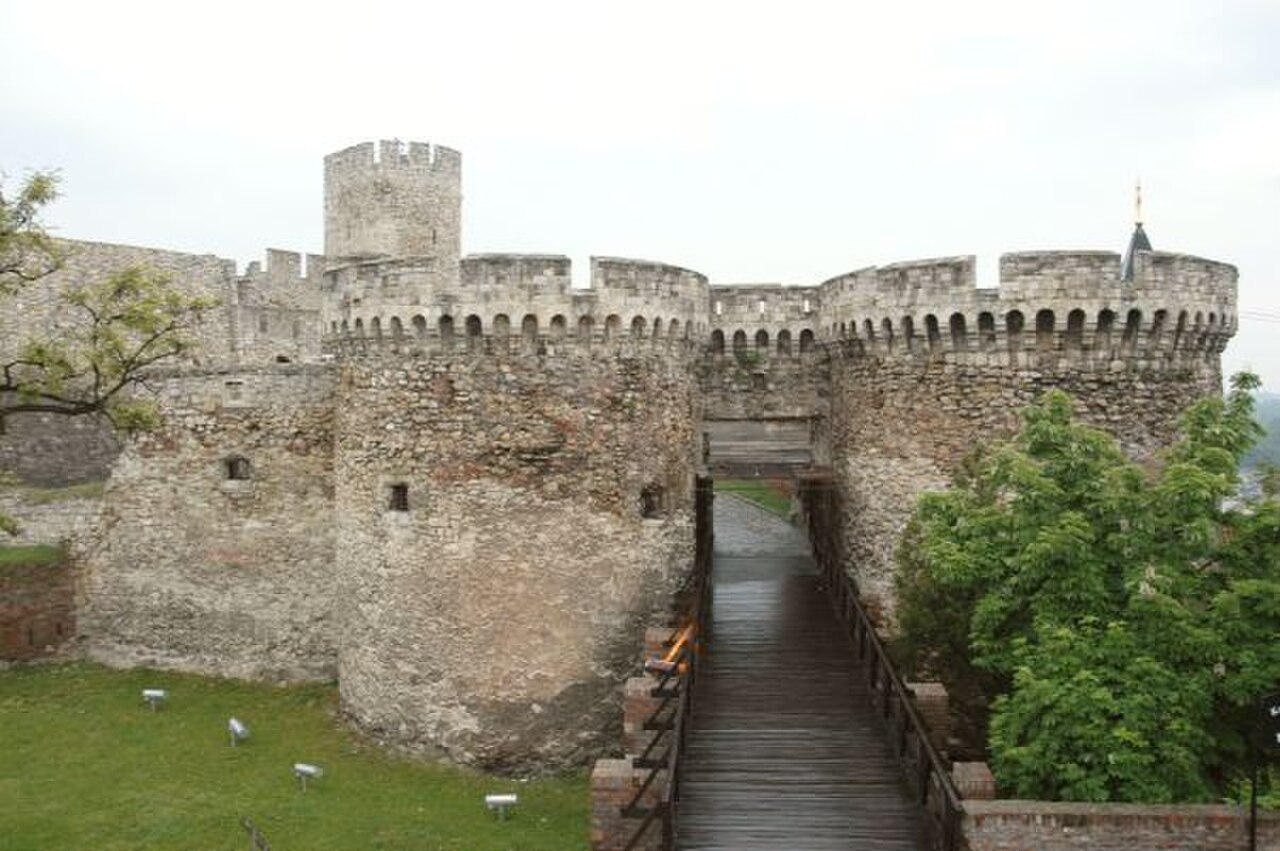
Zindan Gate is a mid-15th-century barbican at Belgrade Fortress, built as a small forward defence for the Eastern Gate. At the time, that eastern entrance was the city’s main gateway, so this structure had a specific tactical purpose: it placed an additional fortified obstacle before the principal approach. The name belongs to a later chapter in the complex’s history. The fortress operator says the towers were probably used as dungeons in the 18th century, and zindan is the Turkish word for dungeon or prison. That combination of defensive design and later prison use gives this compact gate its distinctive character.
2026-09-02 kontrol edildi · Kaynak
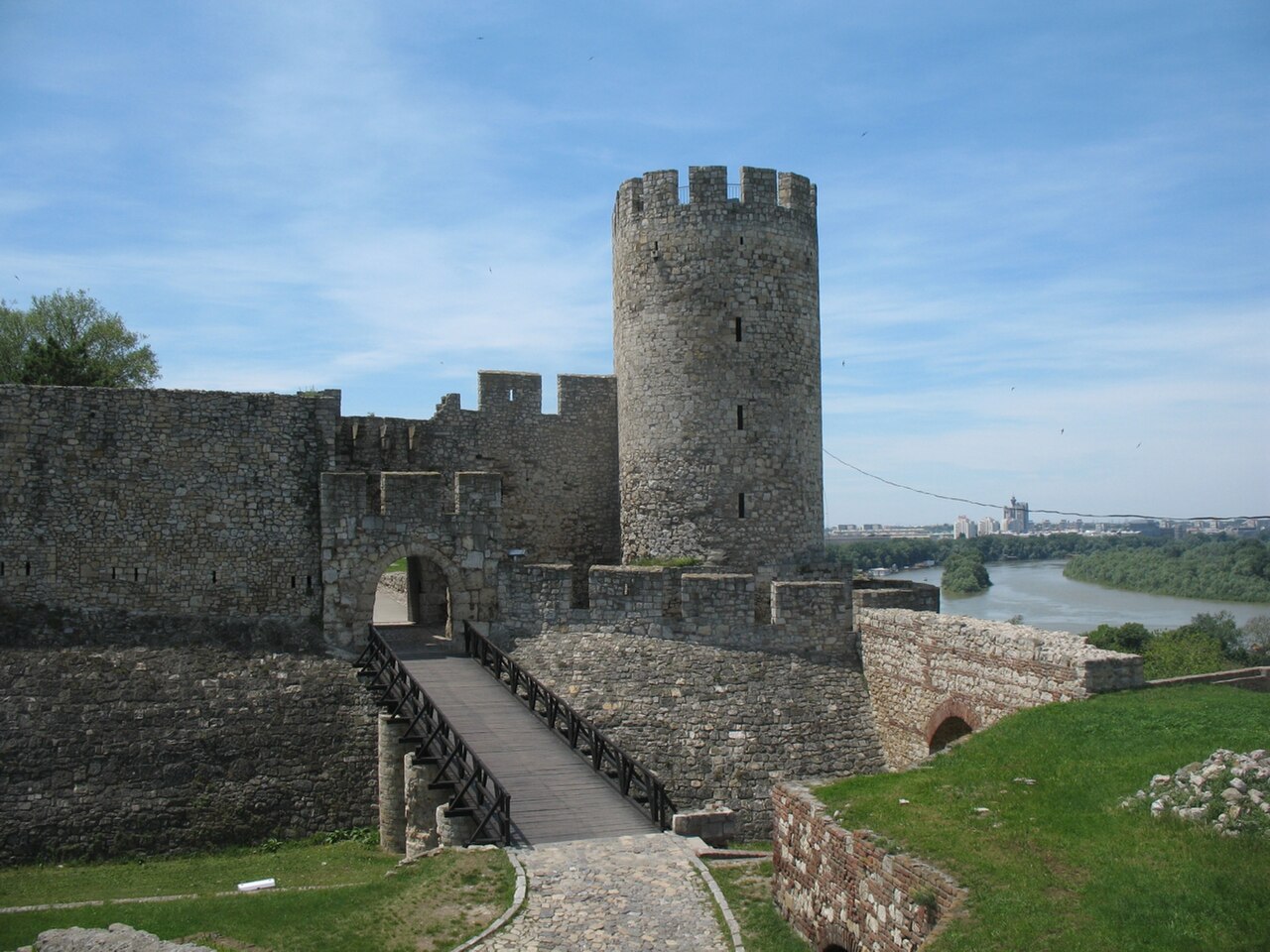
The gate is a compact arrangement of two large semicircular towers linked by a passage. In front of it, a moat once formed another barrier, crossed by a wooden drawbridge before an attacker could reach the entrance. The operator records seven gun openings across the towers and the arched defensive wall. These details make the barbican readable as a working military checkpoint: the curved towers protected the approach, the passage controlled movement, and the openings provided firing positions. The moat and drawbridge have disappeared, but the surviving towers, arch and masonry still show how several defensive elements were concentrated at one threshold.
2026-09-02 kontrol edildi · Kaynak
Allow around 20 to 30 minutes for Zindan Gate itself. That gives enough time to pass through the gateway, examine the two semicircular towers, look for the recorded gun openings and photograph the approach. It is a concentrated stop rather than a half-day attraction. Its position inside Belgrade Fortress makes it more rewarding as one part of a longer walk, with nearby walls, gates and viewpoints adding context. The Clock Tower, Roman Well, Nebojša Tower, Great Gunpowder Warehouse, Military Bunker and Casemates are separate facilities, so any visit to them requires extra time and separate planning.
2026-09-02 kontrol edildi · Kaynak
Zindan Gate is an open-air historic structure, and the Belgrade Fortress operator does not publish a separate visiting schedule for it. The operator lists its fortress facilities as open from 11:00 to 19:00 between 15 April and 15 October, and from 10:00 to 17:00 between 15 October and 15 April, with last entry at 18:30 and 16:30 respectively. Those times belong to the listed facilities, not to a dedicated Zindan Gate timetable. For the gate itself, choose a dry period with useful daylight: morning or late afternoon can make the stone texture easier to read. Weather also affects the uneven historic approach.
2026-09-02 kontrol edildi · Kaynak
It says the gate is not listed as a separate visiting unit among the paid facilities, but that is not enough to record a charge or to call entry free. Treat Zindan Gate as an open-air historic structure for planning purposes, while keeping its admission status unrecorded. Other fortress facilities, such as the Clock Tower, Roman Well, Nebojša Tower, Great Gunpowder Warehouse, Military Bunker and Casemates, may have their own visiting arrangements; their status must not be transferred to this gate.
2026-09-02 kontrol edildi · Kaynak
Approach Zindan Gate from the east, beside the present-day Belgrade Zoo, and follow the fortress paths towards Zindan Gate and Despot Gate. The City of Belgrade identifies Knez Mihailova and Uzun Mirkova streets as routes towards Belgrade Fortress. Public transport line 10 serves the Kalemegdan / Donji grad terminal; from there, continue on foot along paths inside the fortress. The final approach is through a historic complex rather than a modern level plaza, with changes in surface and grade. Coming from the eastern side also clarifies the gate’s original role as forward protection for the former main entrance.
2026-09-02 kontrol edildi · Kaynak
Do not infer those amenities from the wider fortress. The operator does describe historic defensive structures with stone stairs, so visitors should expect that parts of the towers and connected spaces may not be step-free, but this is historical description rather than a recorded amenity value. Uneven historic surfaces and wet stone can also make the approach more demanding. Wear stable footwear and take care around steps, without treating that advice as an official accessibility classification.
2026-09-02 kontrol edildi · Kaynak
Begin at the eastern approach so the two semicircular towers frame the passage and the gate’s forward position is visible. Move closer for details of the masonry, the arched defensive wall and the surviving gun openings. The moat and wooden drawbridge are part of the documented historical arrangement but no longer survive, so photograph the entrance geometry and surrounding fortress fabric to suggest how the checkpoint worked. A wider view can place Zindan Gate in relation to the route towards Despot Gate and the rest of the fortress. Morning light records the stone clearly; late afternoon brings out texture. Keep the narrow approach open for visitors.
2026-09-02 kontrol edildi · Kaynak
The Belgrade Fortress operator dates Zindan Gate to the middle of the 15th century.
It was a small forward fortification built to protect the Eastern Gate, then the city’s main entrance.
The complex is a barbican made of two large semicircular towers joined by a passage.
A moat once stood in front of the gate, crossed by a wooden drawbridge.
The operator records seven gun openings in total in the towers and the arched defensive wall.
The operator says the towers were probably used as dungeons in the 18th century; “zindan” means dungeon or prison in Turkish.
Etkileşimli harita yükleniyor…
Etkileşimli harita yüklenemedi.

Son güncelleme:
Kaynak: OpenStreetMap katkıda bulunanları, Wikidata ·