
2 dk yürüyüş · Градска општина Стари град
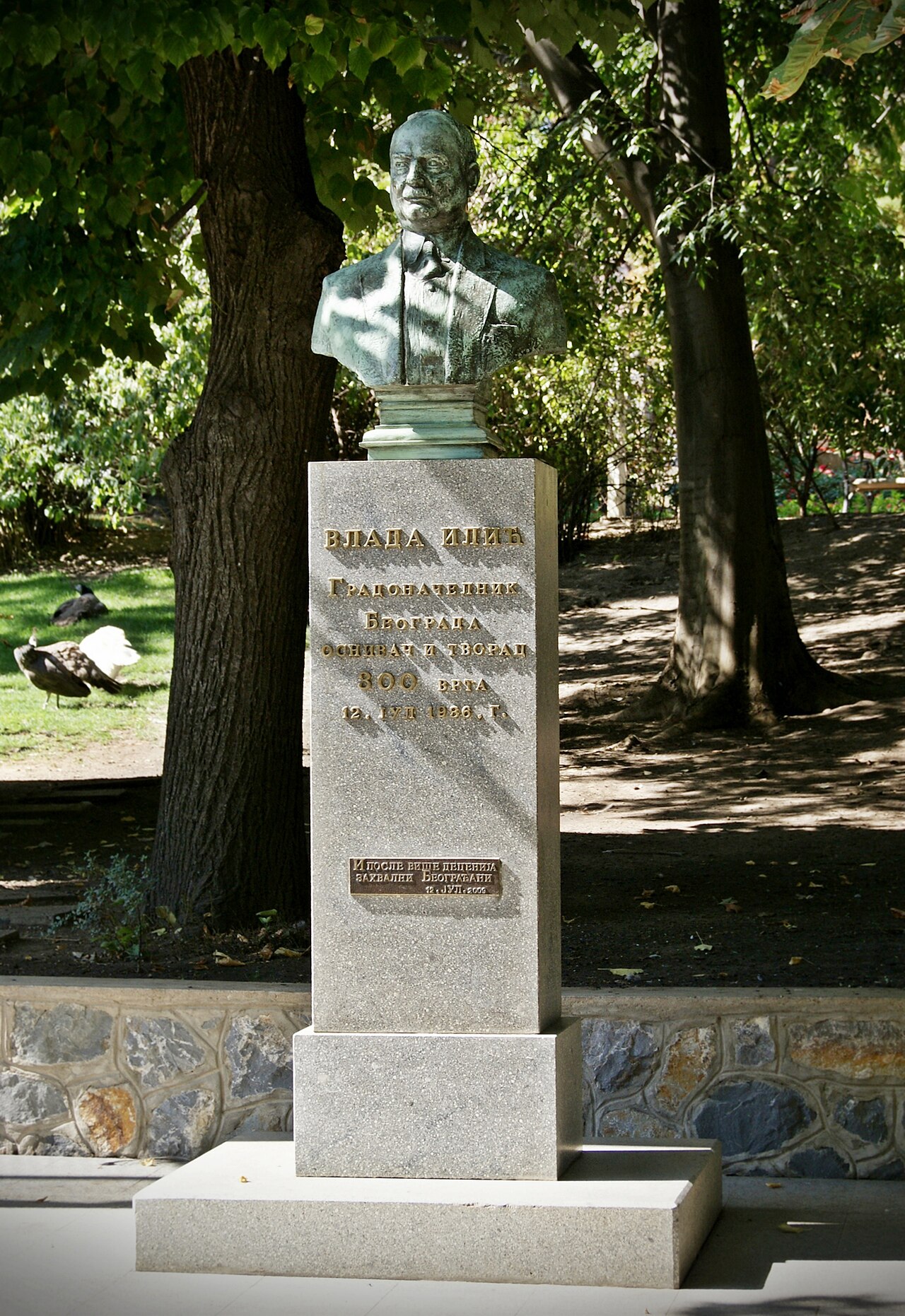
Биста Владе Илића
- Yüksek
- Tarihi anıt
Dil · 11 yayınlandı
Aile dostu cazibe merkezi · Градска општина Стари град, Belgrad
Бео зоо врт

| Pazartesi | 08:00 – 19:30 |
|---|---|
| Salı | 08:00 – 19:30 |
| Çarşamba | 08:00 – 19:30 |
| Perşembe | 08:00 – 19:30 |
| Cuma | 08:00 – 19:30 |
| Cumartesi | 08:00 – 19:30 |
| Pazar | 08:00 – 19:30 |
OpenStreetMap açılış saatlerinden 2026-08-25 tarihinde ayrıştırıldı.
OpenStreetMap erişim etiketlerinden okunur; listede olmayan için kayıtlı etiket yoktur.
Planlayıcıda grup türünü aile seçtiğinizde gün penceresi tek kişilik bir günün yaklaşık dörtte üçüne iner.
Belgrade Zoo opened in 1936 inside Kalemegdan Park, built directly into the fortress grounds rather than on open land elsewhere in the city, which makes it one of relatively few zoos anywhere sited inside a historic fortification.
Its position inside a functioning fortress means the zoo shares its grounds with the Military Museum, the Roman Well and Kalemegdan's other landmarks, so a visitor is rarely inside the zoo without the fortress walls visible somewhere in view. It closed for a period during the Second World War and reopened afterward, and has operated continuously on the same Kalemegdan site since, expanding into the terraced ground below the Upper Town rather than relocating as the city grew around it.
2026-08-24 kontrol edildi · Kaynak
Around 2,000 animals across roughly 200 species, held in enclosures built into the fortress's terraced terrain rather than a flat, purpose-graded zoo park, which gives the site an unusually vertical, walk-uphill-and-down layout compared with most city zoos.
Its best-known resident is Muja, an American alligator that arrived at the zoo in 1937 and is among the oldest alligators known to be held in captivity anywhere. The 1941 bombing of Belgrade killed most of the zoo's animals and destroyed much of the original infrastructure, which is part of why Muja's survival is treated as remarkable rather than simply old age; postwar rebuilding restocked the collection largely from scratch. Big cats, primates and a reptile house make up the rest of the core collection.
2026-08-24 kontrol edildi · Kaynak
Two to three hours to see the collection properly, given the site's terraced, hillside layout within the fortress grounds rather than a flat circuit — the walking itself, up and down between terraces, takes longer than the equivalent distance on level ground.
A single loop that skips the upper terraces can be done in under an hour, but misses a meaningful share of the enclosures. Families with young children often plan for closer to half a day given the playground areas and the pace small children set on the slopes.
2026-08-24 kontrol edildi
Morning, before the heat of a Belgrade summer afternoon builds on the exposed terraces, which carry little shade in the older parts of the site.
Spring and autumn are more comfortable than the flat heat of July and August for a visit involving this much uphill walking. It operates daily rather than closing one day a week, unlike most of Belgrade's indoor museums.
2026-08-24 kontrol edildi
The zoo charges standard admission with reduced rates for children; current prices are not published on the sources this page uses and are not reproduced here.
Because it sits inside Kalemegdan Park, which is itself free and open, the zoo is a separately ticketed enclosure within an otherwise free public park rather than the park's only paid feature.
2026-08-24 kontrol edildi
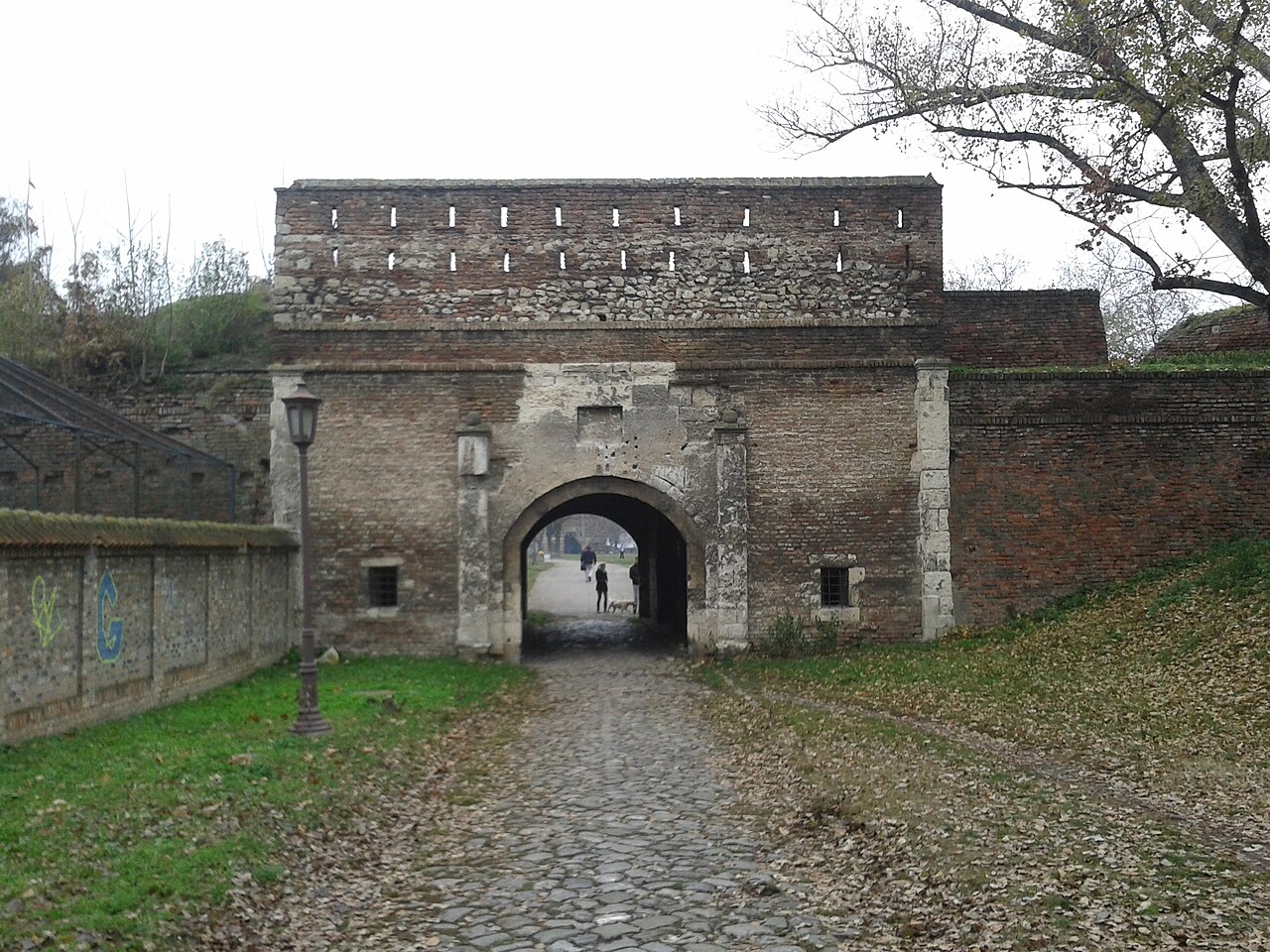
Inside Kalemegdan Park, reached from the same Belgrade Fortress gate at the north-western end of Knez Mihailova used for the rest of the fortress grounds, though the zoo's own entrance is a separate gate within the park.
The walk from Republic Square takes about fifteen to twenty minutes including the approach through the park. There is no metro in Belgrade.
2026-08-24 kontrol edildi · Kaynak
The terraced, hillside site means steep paths and steps between enclosures, and a visitor with limited mobility or a stroller should expect a harder walk than a flat city zoo.
Some historic enclosures are smaller and older in style than a modern zoo built to current welfare standards would use, which visitors used to newer facilities sometimes find dated. The zoo has, like many older city zoos, drawn criticism over enclosure size for some species compared with newer conservation-focused facilities; visitors sensitive to this should research current conditions before deciding whether to visit. Shade is limited on the upper terraces in summer, and water points should be planned around rather than assumed frequent.
2026-08-24 kontrol edildi
The zoo's hillside terraces give unusual sightlines down toward the Sava and Danube confluence from several enclosures, a backdrop no flat-ground zoo can offer, and the upper paths in late afternoon catch that view in the best light.
Muja's enclosure, as the zoo's best-known animal, draws the heaviest crowds and is easier to photograph without people in frame earlier in the day. Reptile-house lighting is dim by design and a fast lens or steady hand matters more there than elsewhere in the zoo.
2026-08-24 kontrol edildi
In 1936, built directly into Kalemegdan Park inside the Belgrade Fortress grounds, where it has operated continuously since.
An American alligator that arrived at the zoo in 1937 and is among the oldest alligators known to be held in captivity anywhere, having survived the zoo's 1941 wartime bombing.
No — the zoo is a separately ticketed enclosure within the otherwise free Kalemegdan Park; current prices are not published on the sources this page uses.
Two to three hours for the full terraced site, or under an hour for a shorter loop that skips the upper terraces.
It is harder going than a flat city zoo — the site is built into the fortress's terraced hillside with steep paths and steps between enclosures.
Inside Kalemegdan Park, through its own gate separate from the main fortress entrance at the north-western end of Knez Mihailova.
Etkileşimli harita yükleniyor…
Etkileşimli harita yüklenemedi.

Son güncelleme:
Kaynak: OpenStreetMap katkıda bulunanları, Wikidata ·