
9 dk yürüyüş
Kōryū-ji
- Yüksek · Miras alanı
- İbadet yeri
Dil · 11 yayınlandı
Tarihi anıt · Kyoto
蛇塚古墳
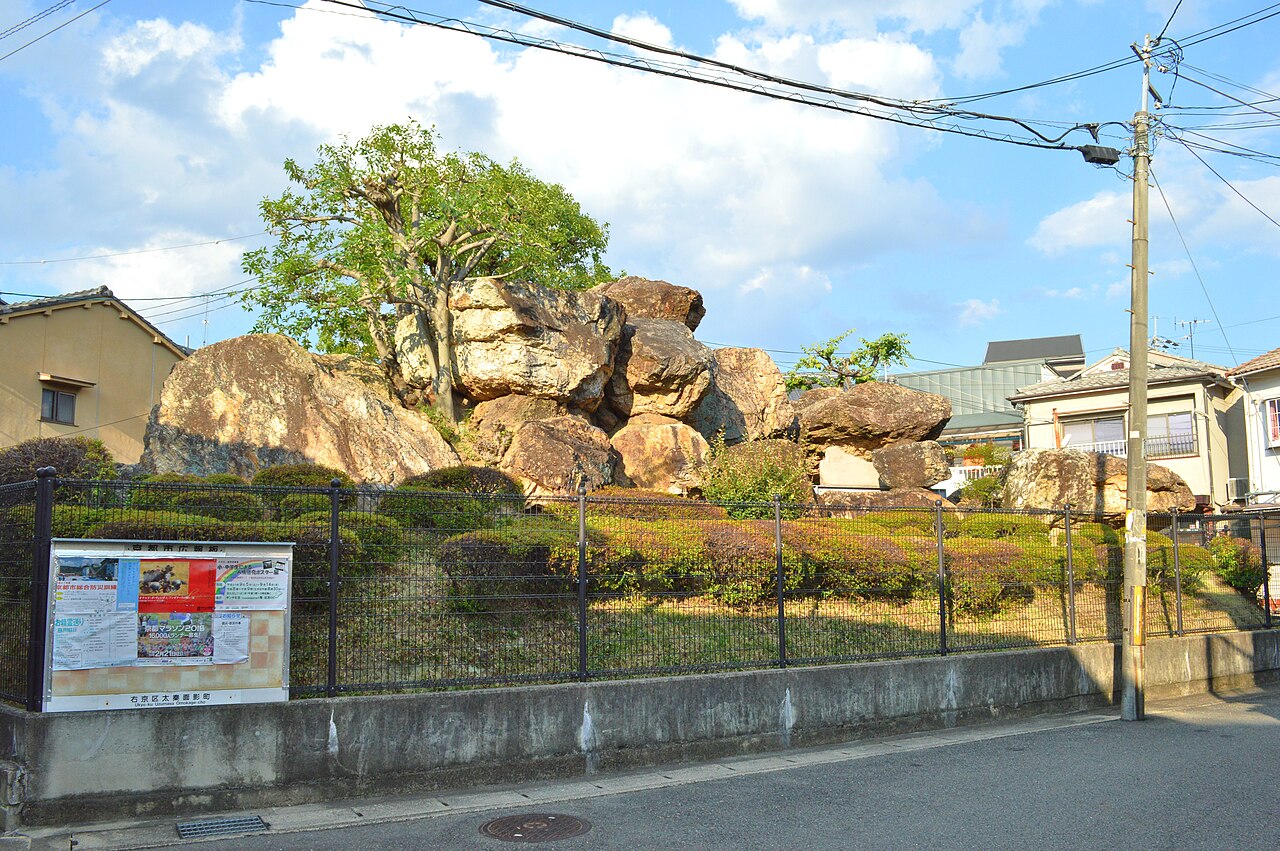
Hebizuka Kofun, known locally as 蛇塚古墳, is a kofun burial mound located in Kyoto, Japan. The term kofun refers to ancient Japanese burial mounds constructed during the Kofun period, roughly spanning the 3rd to 7th centuries. These mounds represent significant archaeological and historical heritage, typically built for powerful clan leaders or regional rulers. The Hebizuka Kofun specifically holds cultural importance within Kyoto's landscape, contributing to understanding of ancient burial practices and social hierarchies in the region. As a historical monument, it offers visitors insight into Japan's prehistoric and protohistoric periods.
2026-08-28 kontrol edildi
The interior contents and structural details of Hebizuka Kofun are not publicly documented in available sources. Kofun burial mounds typically contain stone burial chambers with grave goods including weapons, armor, jewelry, and ritual objects, though these are often removed for preservation or study. The specific archaeological findings from this site remain unrecorded in accessible materials. Visitors should approach with appropriate expectations, understanding that many kofun interiors are not accessible to the public due to preservation concerns and cultural sensitivity. The external mound form itself constitutes the primary visible feature of this heritage site.
2026-08-28 kontrol edildi
The duration of a visit to Hebizuka Kofun depends on individual interest and site accessibility. As an archaeological site rather than a developed tourist facility, exploration time may be relatively brief for casual visitors, perhaps fifteen to thirty minutes for exterior observation. Those with specialized interest in kofun architecture or local history may spend longer examining the mound's form and setting. No guided tours or interpretive facilities are documented. Visitors should plan accordingly, combining this site with other nearby attractions in Kyoto to maximize their itinerary. Flexibility in scheduling is advisable given limited available information.
2026-08-28 kontrol edildi
The site may be accessible during daylight hours as an outdoor archaeological monument, though this cannot be verified without direct confirmation from managing authorities. Seasonal considerations for Kyoto apply generally: spring and autumn offer comfortable temperatures, while summer brings heat and humidity, and winter can be cold. Visitors should consult current local conditions and any posted regulations at the site itself. Advance research through Kyoto municipal resources or cultural heritage offices may provide clarification on access restrictions or recommended visiting periods for this specific location. Check the operator's own site for the travel date before relying on a schedule or fare.
2026-08-28 kontrol edildi
Many kofun sites in Japan are freely accessible as public historical monuments, though some may fall under management fees or be incorporated within larger park or temple complexes requiring admission. Visitors should not assume free entry without verification. Payment methods, including cash requirements or electronic options, are undocumented. Group rates, student discounts, or combined tickets with other sites are not recorded. Travelers are advised to carry sufficient cash as precaution when visiting lesser-documented heritage sites in Japan, where card acceptance may be limited even when fees apply. Check the operator's own site for the travel date before relying on a schedule or fare.
2026-08-28 kontrol edildi
Precise transportation directions to Hebizuka Kofun are not recorded in available sources. The site is located within Kyoto, which possesses extensive public transit including buses, subways, and trains. Visitors typically navigate Kyoto using the municipal bus network or subway lines, supplemented by walking. Rural or suburban kofun locations may require additional local bus services or taxi access from major transit hubs. Cycling represents another viable option in Kyoto for appropriately equipped travelers. Visitors should consult current mapping services, local tourism offices, or municipal transportation authorities for accurate routing to this specific location, as infrastructure and services may have changed.
2026-08-28 kontrol edildi
Visitors to Hebizuka Kofun should exercise standard precautions appropriate for archaeological heritage sites. The terrain may be uneven, with potential trip hazards on mound surfaces or surrounding grounds. Weather conditions affect accessibility and safety, particularly during rain when surfaces become slippery. Limited facilities are expected; visitors should carry water and any necessary supplies. Respect for the site's cultural and potentially sacred significance is essential, avoiding disturbance to the mound structure or any surrounding markers. Wildlife encounters, including insects and snakes given the site's name association, while not documented, remain possible in natural settings. Appropriate footwear and clothing are strongly recommended.
2026-08-28 kontrol edildi
Photography policies for Hebizuka Kofun are not explicitly documented in available sources. General practice at Japanese kofun sites permits exterior photography for personal use, though restrictions may apply to any excavated portions, explanatory plaques, or adjacent properties. Drone usage is subject to strict national and local regulations throughout Japan, requiring permits in many areas, and should not be assumed permissible. Commercial or publication photography may require advance permission from managing authorities. Visitors should observe any posted signage and exercise cultural sensitivity, avoiding intrusive behavior at sites of burial significance. Flash photography, if interior access exists, may be prohibited to protect sensitive materials.
2026-08-28 kontrol edildi
Public access status is not explicitly documented; the site likely permits exterior viewing but direct confirmation is advisable.
Guided tours for this specific site are not recorded in available sources.
As a kofun, it belongs to the Kofun period broadly spanning the 3rd to 7th centuries, though precise dating is not recorded.
Interior access is not documented and is typically restricted at kofun sites for preservation reasons.
Accessibility accommodations are not recorded in available information.
On-site facilities are not documented; visitors should plan accordingly.
Etkileşimli harita yükleniyor…
Etkileşimli harita yüklenemedi.

Son güncelleme:
Kaynak: OpenStreetMap katkıda bulunanları, Wikidata ·