
1 dk yürüyüş
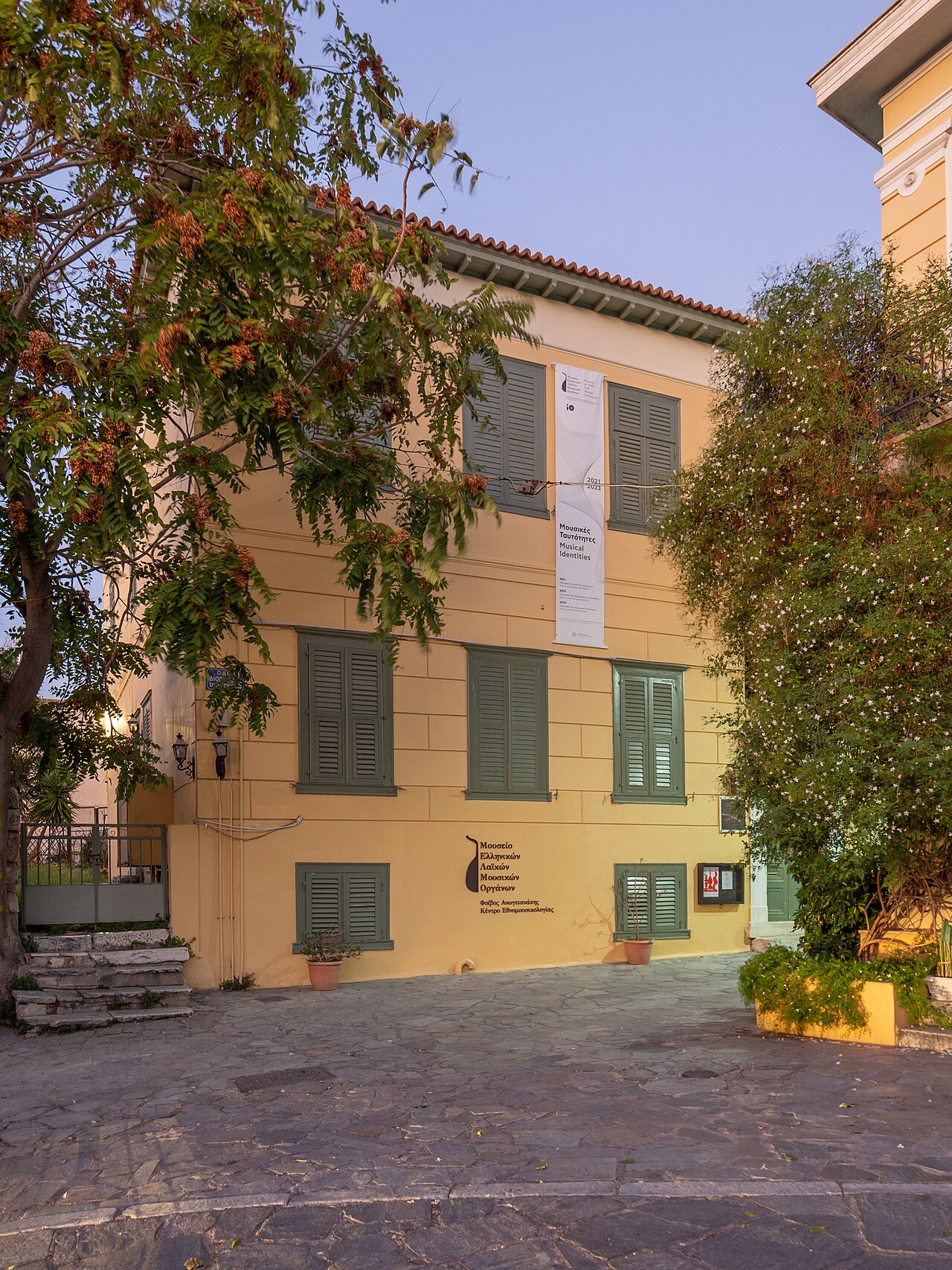
Yunan Halk Müziği Enstrümanları Müzesi
- Mutlaka görülmeli
- Müze
Dil · 11 yayınlandı
Tarihi anıt · Atina
Αέρηδες
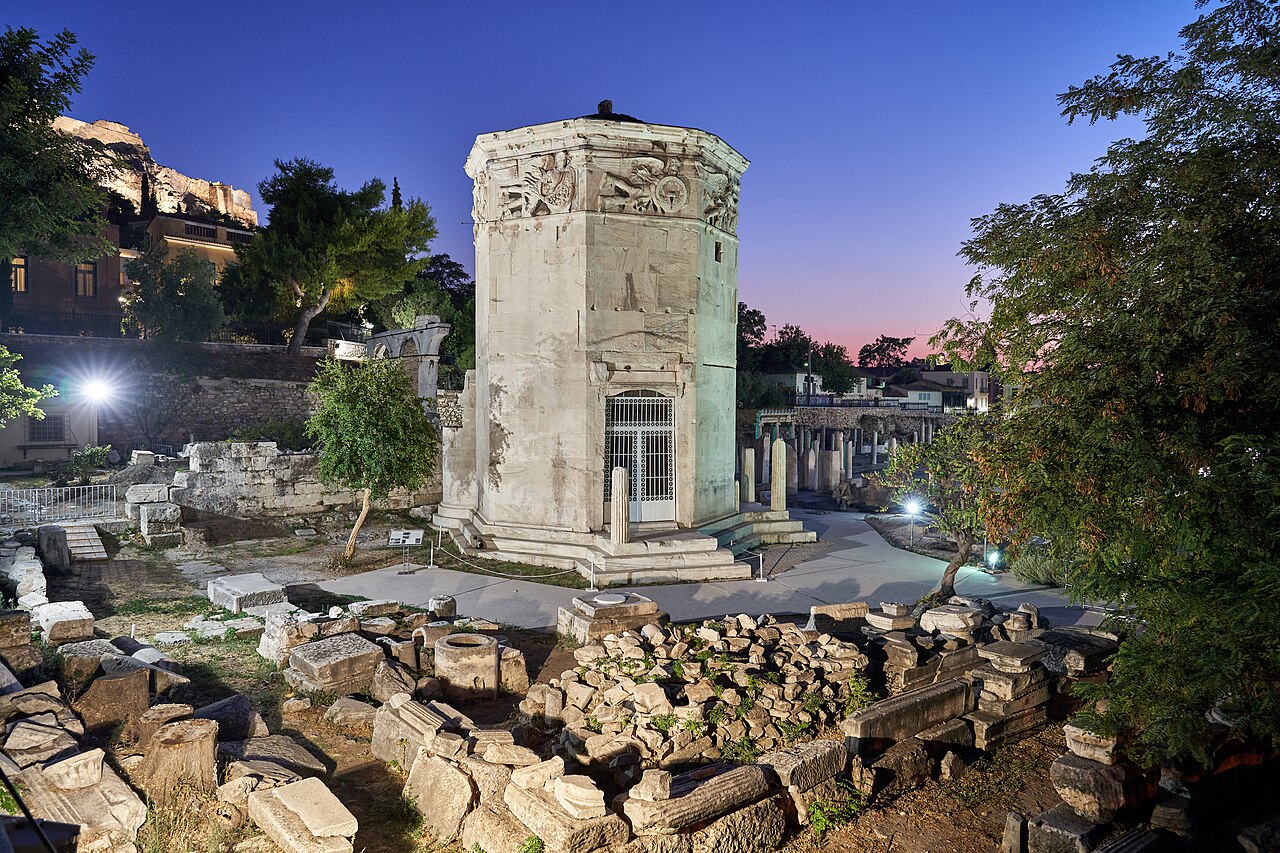
The Tower of the Winds, known locally as Αέρηδες, is an octagonal marble clocktower in the Roman Agora of Athens. Built in the 1st century BCE, it functioned as a horologion, combining a water clock, sundial, and wind vane. The structure features eight relief sculptures representing the eight wind deities, giving the monument its common name. It stands as one of the best-preserved ancient buildings in Athens and a significant example of Hellenistic and Roman engineering.
2026-08-28 kontrol edildi
The interior originally housed a complex water clock mechanism driven by water from the Acropolis. The octagonal design allowed the structure to serve multiple timekeeping functions simultaneously. The external friezes depict personifications of the winds: Boreas, Kaikias, Apeliotes, Euros, Notos, Lips, Zephyros, and Skiron. A conical roof once crowned the building. The floor contains remnants of the water clock system. The space is compact, with visitors able to view the interior through controlled access points. The useful pace at Tower of the Winds depends on personal interest and conditions on the day. Keep the surrounding part of the itinerary flexible if access or visitor flow differs from expectations.
2026-08-28 kontrol edildi
A visit to the Tower of the Winds typically requires brief observation time, as the structure is relatively small and situated within the broader Roman Agora archaeological site. Most visitors spend approximately fifteen to thirty minutes examining the exterior reliefs and interior features. Combined exploration of the full Roman Agora complex, including the Tower, generally extends to one to two hours depending on individual interest in archaeological detail and photographic documentation of the monument. Tower of the Winds is best treated as a distinct stop rather than a generic example of its category. Focus on the setting, surviving features and visitor route visible on arrival.
2026-08-28 kontrol edildi
The Tower of the Winds is located within the Roman Agora archaeological site, which operates under seasonal schedules typical of Greek heritage monuments. Visitors should consult official sources for current opening times before planning their visit. Morning hours generally offer cooler temperatures and softer light for observation. Summer midday heat can be intense in the exposed archaeological zone. Checking official announcements for temporary closures due to maintenance or special circumstances is advisable. Check the operator's own site for the travel date before relying on a schedule or fare.
2026-08-28 kontrol edildi
The Tower of the Winds is accessed through the Roman Agora entrance, which typically requires a single ticket covering the entire site. Various combined ticket options may exist for multiple archaeological sites in Athens. Reduced rates for eligible categories such as students, seniors, and EU youth are common in Greek state-run monuments but require verification at official sources. Free admission days occur periodically under Greek cultural policy, though specific dates must be confirmed through official channels. Check the operator's own site for the travel date before relying on a schedule or fare.
2026-08-28 kontrol edildi
The Tower of the Winds sits in the Plaka district beneath the Acropolis, accessible by Athens Metro stations Monastiraki and Acropolis on Lines 1 and 3 respectively. Walking from either station through the historic center takes approximately ten to fifteen minutes. Multiple bus and trolleybus routes serve the surrounding area. The Roman Agora entrance is located on Polygnotou Street. The pedestrian-friendly neighborhood allows exploration on foot, though uneven ancient stone surfaces require appropriate footwear. A flexible visit to Tower of the Winds leaves room to adjust for access conditions without relying on unverified schedules, prices or closure assumptions. Confirm practical details with the operator when available.
2026-08-28 kontrol edildi
The archaeological site contains uneven surfaces, ancient stones, and areas without shade, presenting trip hazards and sun exposure risks. No protective barriers separate visitors from all monument edges. Crowding occurs during peak tourist seasons, potentially limiting movement and viewing angles. The compact interior space may restrict access during high visitor volume. Water and sun protection are essential. Respect for the archaeological environment is required; climbing on structures is prohibited. Personal belongings should be secured in the busy surrounding district.
2026-08-28 kontrol edildi
Photography rules are Not recorded pending review. The Tower of the Winds presents strong visual interest for documentation, with the octagonal form and wind deity reliefs offering distinctive subjects. Natural light varies dramatically throughout the day, affecting relief visibility. Tripod use in Greek archaeological sites typically requires advance permission. Flash photography may be restricted in interior spaces. Drone operation is prohibited without explicit authorization. Commercial photography and filming require permits from the relevant archaeological authorities. Visitors should observe posted signage and staff instructions.
2026-08-28 kontrol edildi
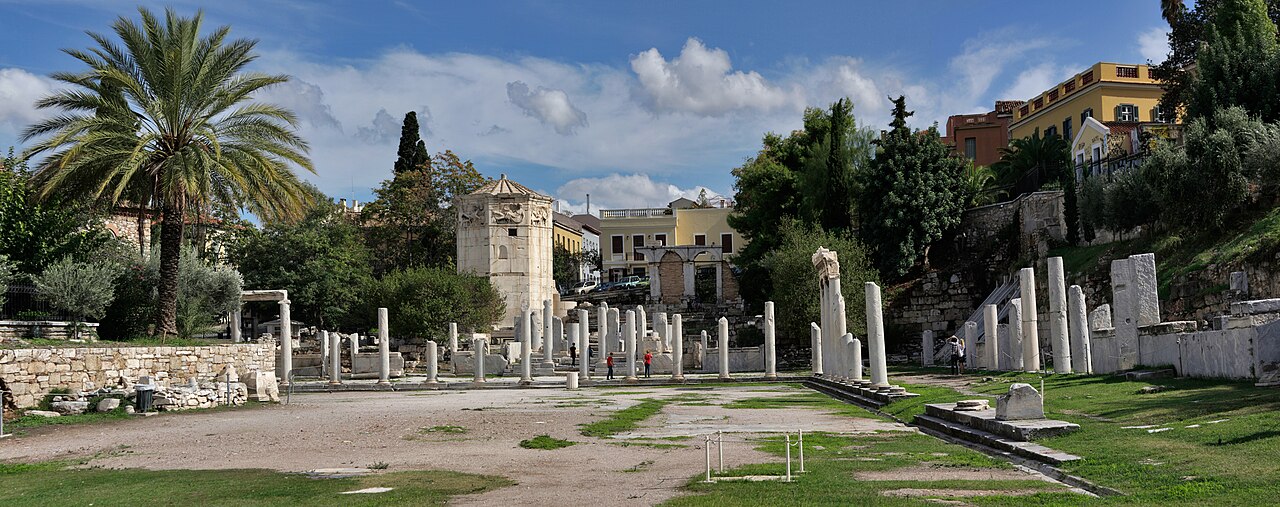
The Tower of the Winds is a monument located within the Roman Agora archaeological site, not the entire site itself. The Roman Agora encompasses multiple structures and ruins from the Roman period.
Access to the interior is controlled and may be restricted depending on current site management policies. The interior is small and viewing is often possible through openings.
The eight relief sculptures personify the eight principal winds of ancient Greek meteorology: Boreas, Kaikias, Apeliotes, Euros, Notos, Lips, Zephyros, and Skiron.
The tower was constructed in the 1st century BCE, making it approximately two thousand years old. It remains one of the most intact ancient buildings in Athens.
The original water clock mechanism is not operational. Remnants of the system are visible but the monument now serves purely as an archaeological and historical site.
The archaeological terrain includes uneven ancient surfaces, steps, and inclines that present challenges. Specific accessibility accommodations are Not recorded pending review from operator sources.
Etkileşimli harita yükleniyor…
Etkileşimli harita yüklenemedi.

Son güncelleme:
Kaynak: OpenStreetMap katkıda bulunanları, Wikidata ·