
_IMG_1426.jpg)
.jpg)


1 dk yürüyüş · Innere Stadt
W. H. Auden
- Yüksek
- Tarihi anıt
Dil · 11 yayınlandı
Tarihi anıt · Innere Stadt, Viyana
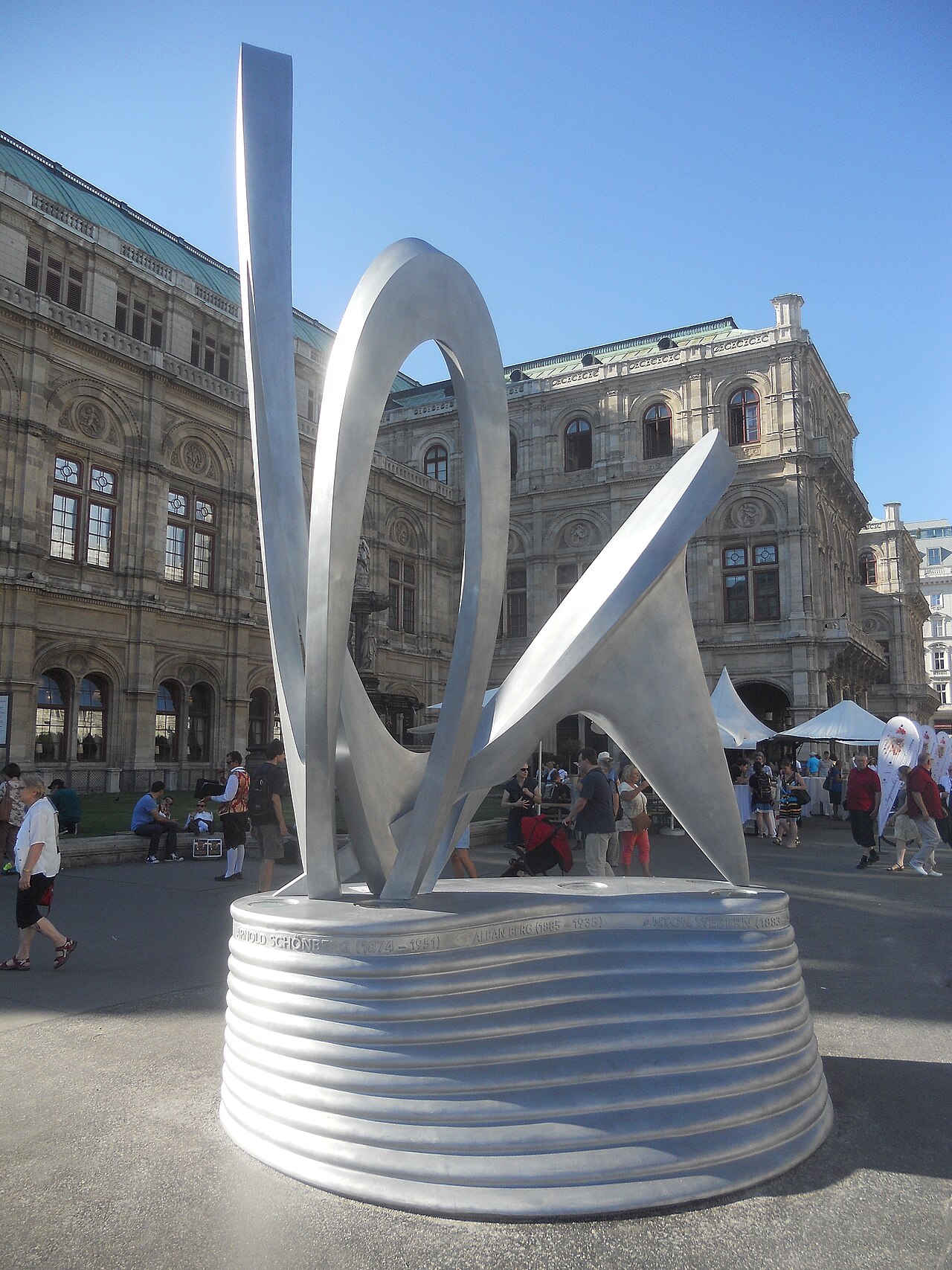
Palais Todesco is a Ringstrasse-era palace facing the Vienna State Opera across Kärntner Straße, built between 1861 and 1864 by Ludwig Förster and Theophil Hansen for the brothers Eduard and Hermann Todesco, Jewish bankers ennobled by Franz Joseph I as the city's ring of grand boulevard construction began.
The Todesco family were among the first private clients to build on the newly opened Ringstrasse land, and their palace — sited to look directly onto the future Opera site — became a centre of Vienna's cultural and musical salon life; Johannes Brahms performed in its rooms as a guest of the family.
The Todesco family lost the palace under Nazi Aryanisation in 1938; ownership was restored after the war, and the building today is in mixed private and commercial use, with ground-floor retail and upper-floor offices and rented event space rather than a family residence or a museum.
2026-08-24 kontrol edildi · Kaynak
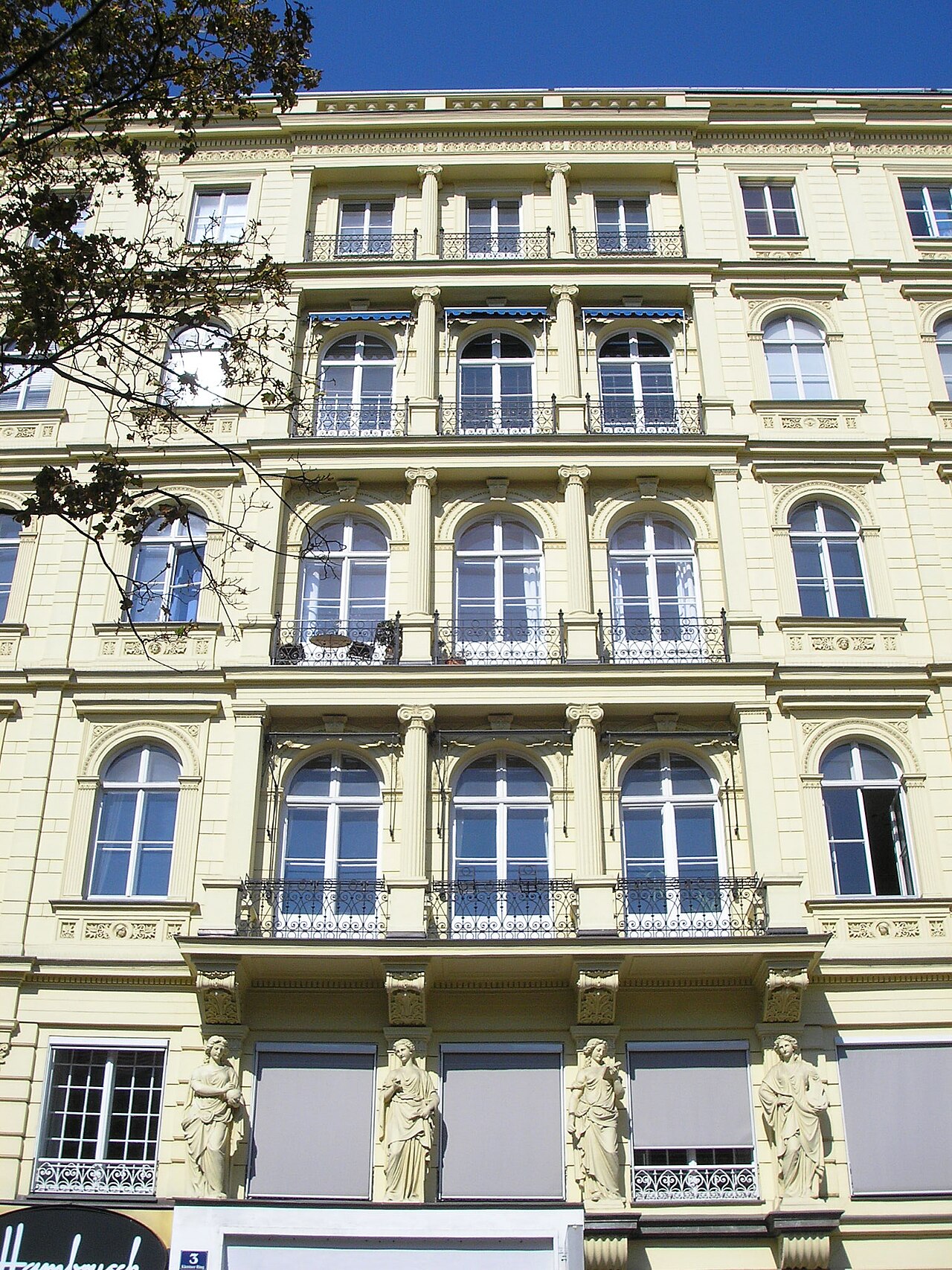
Ground level is occupied by shopfronts facing Kärntner Straße and Am Albrechtsplatz, in the ordinary retail use typical of this stretch of the street; none of that space carries the palace's historic decoration.
The piano nobile above holds the Todescos' original ballroom and salon rooms, decorated under Theophil Hansen's direction with painted ceilings and gilded stucco; these survive and are used today as a rented event and reception venue rather than displayed as a museum, so a visitor sees them only by attending or booking a function held there.
There is no public exhibition route through the palace and no separate museum collection on site.
The Todesco family's salon was a documented meeting point for Vienna's 19th-century musical circle; Brahms's connection to the household is the specific, sourced detail usually cited, rather than a general claim of the palace hosting concerts, since no standing concert hall was ever built into the rooms.
2026-08-24 kontrol edildi · Kaynak

There is no self-guided visit to time: the historic salons are seen only as an attendee or host of a private function held in the rented event space, whose length is set by that event rather than by any museum route.
2026-08-24 kontrol edildi · Kaynak
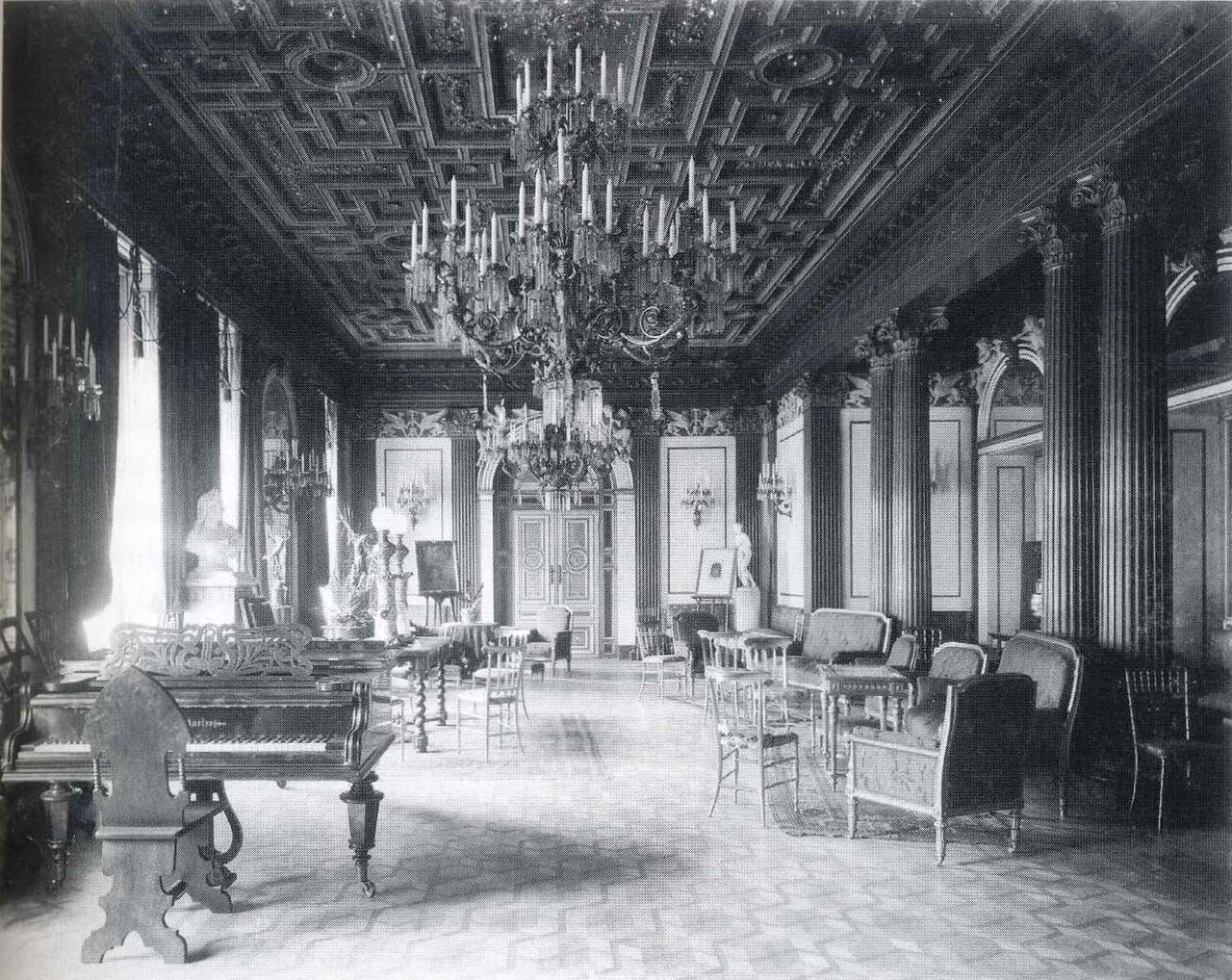
Palais Todesco has no public opening calendar; the salons are booked out for private events on a case-by-case basis through the venue's management, so there is no season or day that improves the odds of walking in and no standing hours to plan around.
2026-08-24 kontrol edildi · Kaynak
There is no admission ticket because there is no public visitor route: the palace's historic rooms are commercial event space, rented directly rather than sold as a sightseeing product, and the ground-floor shops charge only for what they sell. Pricing and availability for hiring the event rooms is not recorded here and would need to be confirmed with the venue's own management directly, since no aggregator lists a reliable current rate for a private function space of this kind.
2026-08-24 kontrol edildi · Kaynak
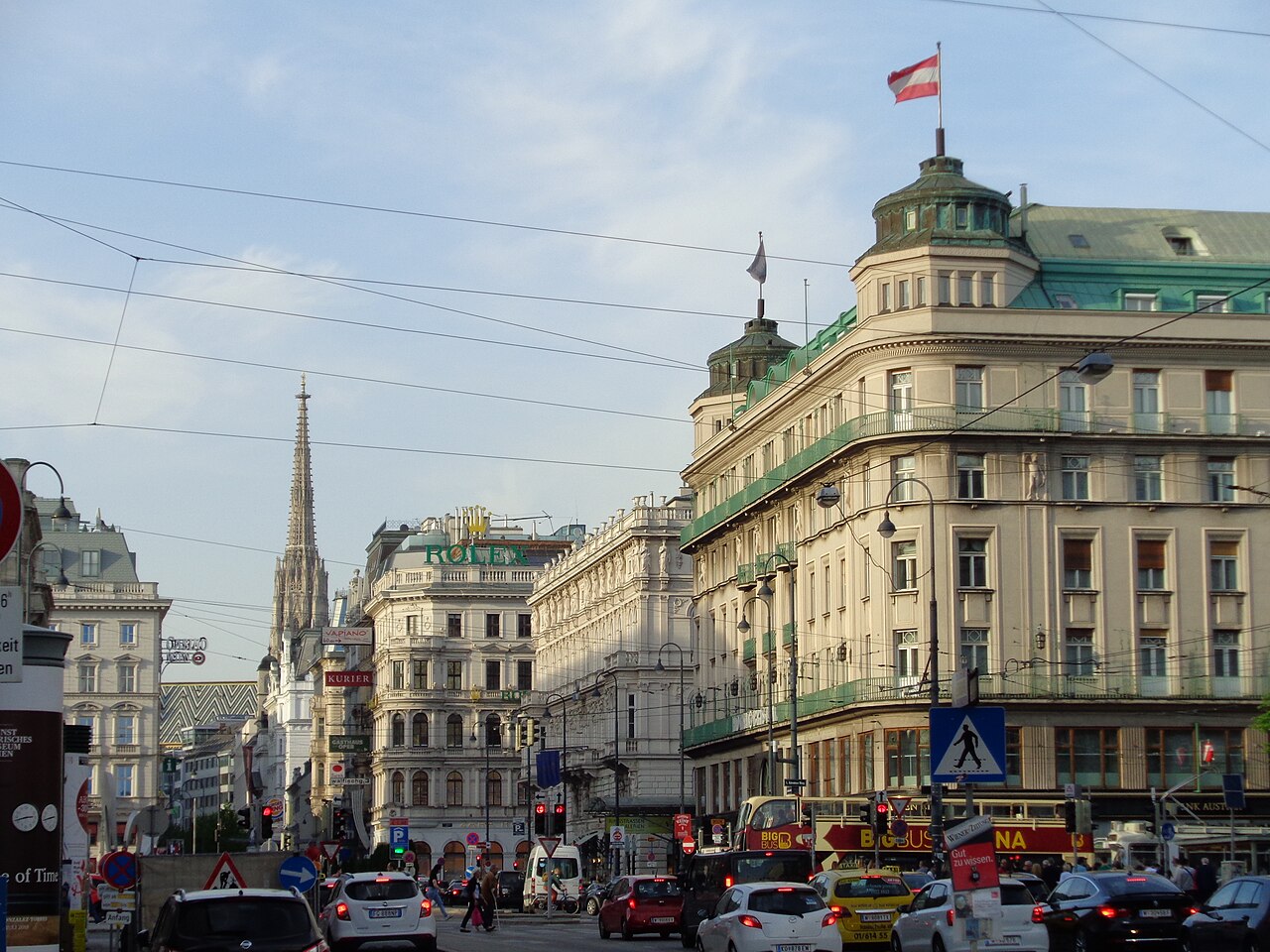
Palais Todesco sits at the junction of Kärntner Straße and Am Albrechtsplatz, directly opposite the State Opera. Karlsplatz station, served by the U1, U2 and U4 lines, is roughly 300 metres away, and tram lines 1, 2, 62, 71 and D all stop at Kärntner Ring/Oper immediately across the street. Kärntner Straße itself is a pedestrian shopping street at this point, so no vehicle access reaches the building's front.
2026-08-24 kontrol edildi · Kaynak

The single practical point is that there is nothing to walk into: the palace presents as ordinary Ringstrasse retail at street level, with the historic interior entirely closed to casual visitors and reachable only through a booked private event, so travellers expecting a museum-style entrance will find none.
The building's Aryanisation history under Nazi rule in 1938 is part of its documented record and worth knowing when reading about the Todesco family's ownership, since the family's tenure was interrupted rather than continuous.
Kärntner Straße at this junction is one of the busiest pedestrian stretches in the city centre, especially around the Opera in the early evening, so photographing the facade without passers-by in the frame usually means arriving before the street fills.
2026-08-24 kontrol edildi · Kaynak
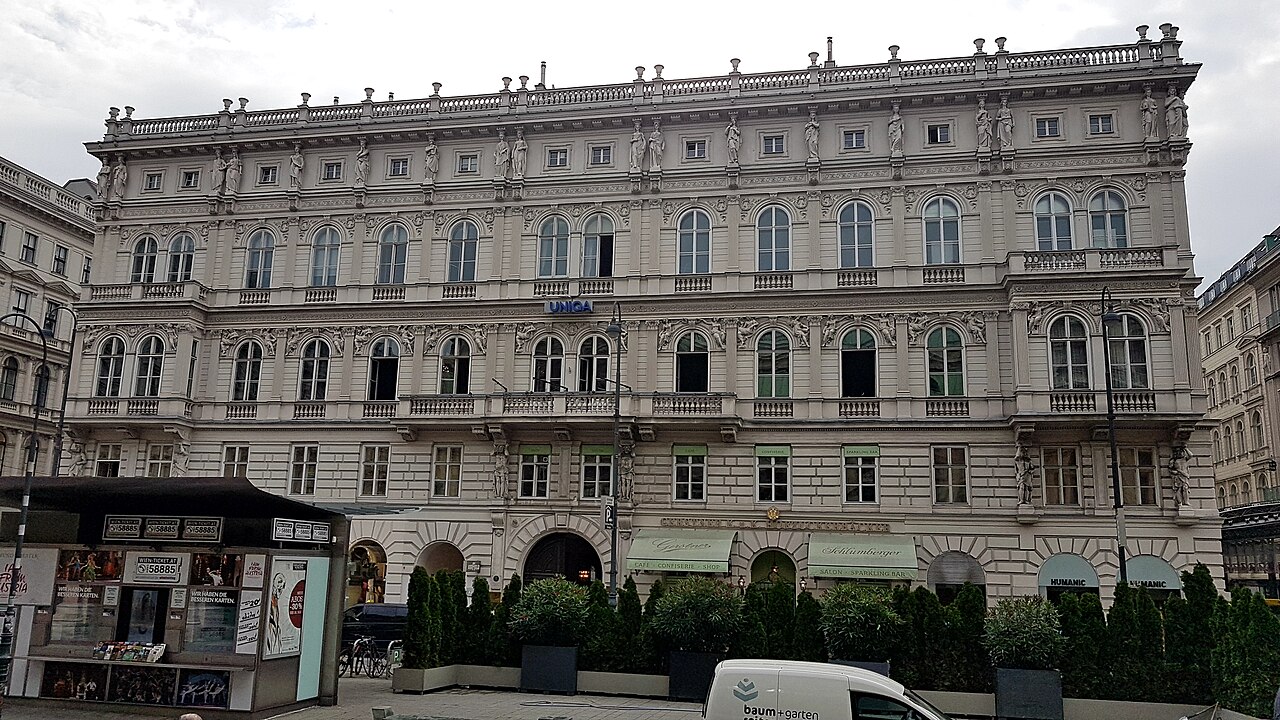
The Kärntner Straße and Am Albrechtsplatz facades, facing the Opera, are freely photographed from the pedestrian street and are among the more recognisable Ringstrasse elevations precisely because of that sightline. The interior salons are not accessible for photography outside a private booked event, and any images from inside would be at the discretion of whoever has hired the space that day.
2026-08-24 kontrol edildi · Kaynak
Public access arrangements are not recorded. The building may operate under restricted access. Direct enquiry with site management or municipal cultural authorities is necessary before visiting.
Not as a sightseeing visit — the historic upper-floor rooms are private event space, entered only by attending or booking a function; the ground floor is ordinary retail.
Ludwig Förster and Theophil Hansen, built between 1861 and 1864 for the banking brothers Eduard and Hermann Todesco.
The Todesco family bought one of the first Ringstrasse plots as the boulevard was laid out and deliberately sited the palace opposite where the State Opera would be built.
The family lost the palace under Nazi Aryanisation in 1938; ownership was restored after the Second World War.
No. There is no museum or standing exhibition; the interior salons are rented event space.
Etkileşimli harita yükleniyor…
Etkileşimli harita yüklenemedi.
Son güncelleme:
Kaynak: OpenStreetMap katkıda bulunanları, Wikidata ·